✓ The metaverse is a persistent, interconnected network of 3D virtual worlds.
✓ It combines elements of VR, AR, AI, and blockchain technology.
✓ Users can interact with each other, digital objects, and AI avatars in real-time.
✓ It's not a single product but an evolution of the internet.
How It Works
1
Access Virtual Worlds
Users enter the metaverse through devices like VR headsets, AR glasses, or even standard computers and mobile phones. These devices render the immersive 3D environments.
2
Interact and Socialize
Within these virtual spaces, users can create avatars, socialize with others, attend events, play games, and conduct business. Interactions feel more natural and immersive than traditional 2D interfaces.
3
Own Digital Assets
Leveraging blockchain technology, users can own unique digital assets like virtual land, clothing, or artwork, often as NFTs. This enables a real economy within the metaverse.
4
Seamless Interoperability
The ultimate vision is a metaverse where digital assets and identities can move seamlessly between different virtual worlds and platforms. This creates a truly interconnected digital universe.
Unpacking the Metaverse Definition: Beyond Science Fiction
Photo: Pachon in Motion / Pexels
The term 'metaverse' has rapidly entered popular discourse, often shrouded in a mix of excitement, confusion, and sometimes, skepticism. To truly grasp what is the metaverse concept, we must first look beyond the cinematic portrayals and understand its fundamental definition. At its core, the metaverse is envisioned as a persistent, interconnected network of 3D virtual worlds, accessible in real-time by potentially millions of users simultaneously. It’s not a single destination, but rather a continuum of experiences, much like the internet isn't a single website but a vast network of interconnected pages and applications. Think of it as the next evolution of the internet – from a 2D web of information to an immersive, embodied internet of experiences.
This goes far beyond simple virtual reality (VR) games or augmented reality (AR) apps. While VR and AR are crucial components, the metaverse concept transcends individual platforms. It aims to create a shared, persistent digital space where users can move seamlessly between different environments, retaining their digital identity, assets, and social connections. Imagine attending a virtual concert in one platform, then using the same avatar and digital clothing to meet friends for a business meeting in another, and later, reviewing architectural designs in a third, all without breaking immersion or losing continuity. This level of interoperability and persistence is what truly differentiates the metaverse from existing digital experiences.
Key characteristics defining this emergent digital frontier include its persistence – meaning it never 'resets' or ends, but continues indefinitely, evolving with user actions and content creation. It’s also synchronized and live, allowing for real-time interactions among participants. Crucially, the metaverse is intended to be an open and interoperable ecosystem, though achieving this across diverse platforms remains a significant challenge. User-generated content will be a cornerstone, empowering individuals and communities to build, own, and monetize their creations. This shifts power dynamics, moving towards a more decentralized and user-driven digital economy. Understanding these foundational elements is vital to appreciating the transformative potential of the metaverse, moving it from a buzzword to a tangible, albeit developing, technological paradigm.
The Pillars of the Metaverse: Core Technologies Driving Immersion
Photo: Morthy Jameson / Pexels
The realization of the metaverse concept relies heavily on the convergence and advancement of several cutting-edge technologies. These foundational pillars work in concert to create the immersive, persistent, and interactive digital worlds envisioned. Understanding these technologies is crucial to comprehending how the metaverse will function and evolve. First and foremost are Virtual Reality (VR) and Augmented Reality (AR). VR headsets provide full immersion, transporting users entirely into a digital environment, while AR overlays digital information onto the real world, blending the physical and virtual. These technologies serve as the primary interfaces for experiencing the metaverse, offering varying degrees of presence and interaction.
Another critical component is Artificial Intelligence (AI). AI will power intelligent non-player characters (NPCs), generate dynamic content, facilitate natural language processing for seamless communication, and even personalize user experiences within the metaverse. Imagine AI-driven avatars capable of complex conversations or AI algorithms creating vast, detailed virtual landscapes on demand. Blockchain technology and Non-Fungible Tokens (NFTs) form the backbone of the metaverse's economy and ownership model. Blockchain provides a decentralized, transparent, and secure ledger for verifying digital ownership. NFTs, unique digital assets recorded on a blockchain, allow users to truly own virtual land, digital art, avatars, and other in-world items, enabling scarcity and value in the digital realm. This digital ownership is a radical departure from traditional online platforms where users merely license content.
Furthermore, high-speed connectivity, particularly 5G and future iterations, is indispensable. The metaverse demands massive bandwidth and ultra-low latency to render complex 3D environments, stream high-fidelity content, and support real-time interactions for millions of users simultaneously without lag. Edge computing will also play a role by processing data closer to the user, reducing latency and improving performance. Finally, advanced graphics rendering and 3D modeling tools are continuously evolving to create increasingly realistic and detailed virtual environments and avatars. These technological advancements, when combined, paint a picture of a future where digital and physical realities blur, offering unprecedented opportunities for connection, creativity, and commerce within the metaverse.
Transformative Applications: How the Metaverse Will Reshape Industries
Photo: fauxels / Pexels
The implications of what is the metaverse concept extend far beyond gaming and social interactions, promising to revolutionize numerous industries and aspects of daily life. Its potential applications are vast and varied, offering new paradigms for work, education, commerce, and entertainment. In the realm of work, the metaverse could transform remote collaboration. Imagine virtual offices where colleagues from across the globe can meet as avatars, interact with 3D models, co-create designs, and brainstorm in immersive environments that mimic or even surpass the effectiveness of physical workspaces. Training and simulations could become incredibly realistic, allowing professionals to practice complex procedures in a safe, virtual setting, from surgical training to aircraft maintenance.
Education stands to be profoundly impacted. The metaverse could offer immersive learning experiences where students can explore ancient Rome, dissect a virtual human body, or conduct complex scientific experiments in a simulated lab, all from their homes. This level of engagement could make learning more accessible, interactive, and effective than traditional methods. For commerce, the metaverse opens up entirely new avenues. Retailers can create virtual storefronts where customers can browse 3D products, try on virtual clothing with their avatars, and even attend virtual fashion shows. Digital goods, from avatar accessories to virtual real estate, are already forming a nascent economy, with brands establishing a presence in these digital worlds. Marketing and advertising will also evolve, moving from intrusive pop-ups to integrated, experiential campaigns within virtual spaces.
Entertainment and social interaction are perhaps the most obvious beneficiaries. Virtual concerts, sporting events, and social gatherings will offer unparalleled levels of immersion and interaction, allowing friends to connect and share experiences regardless of geographical distance. Artists can create entirely new forms of interactive art, and content creators will find new platforms for storytelling and community building. Healthcare could utilize the metaverse for remote consultations, therapy sessions in calming virtual environments, and even advanced medical imaging visualization. Urban planning and architecture could use metaverse platforms to simulate and visualize new developments, allowing stakeholders to experience and provide feedback on designs before physical construction begins. The true power of the metaverse lies in its ability to create persistent, shared digital spaces that mirror and enhance our physical world, offering boundless opportunities for innovation and human connection across virtually every sector.
Navigating the Future: Challenges and Ethical Considerations
Photo: SHVETS production / Pexels
While the promise of the metaverse is immense, its development and widespread adoption are not without significant challenges and ethical considerations that must be addressed proactively. One of the primary technical hurdles is achieving true interoperability. For the metaverse to be a truly unified digital space, different platforms and virtual worlds need to be able to communicate and share data seamlessly. This means common standards for avatars, digital assets, and user identities, which requires unprecedented collaboration among competing tech giants. The sheer computational power and network infrastructure required to render and sustain massive, persistent 3D worlds for millions of concurrent users also present a monumental challenge. Developing the hardware (VR/AR devices) that is affordable, comfortable, and powerful enough for mass adoption is another key factor.
Ethical concerns are equally, if not more, complex. Data privacy and security are paramount. In a world where our digital identities are deeply intertwined with our virtual experiences, who owns our data, how is it used, and how is it protected from misuse or exploitation? The potential for addictive behaviors and mental health impacts, particularly among younger users, needs careful consideration. The immersive nature of the metaverse could blur the lines between reality and fiction, leading to new forms of psychological distress or social isolation if not managed responsibly. Issues of digital identity theft, harassment, and even virtual assault will require robust moderation, legal frameworks, and ethical guidelines.
Furthermore, the metaverse must grapple with accessibility and digital divide issues. If access to these rich digital experiences is limited to those with high-end hardware and fast internet, it risks exacerbating existing inequalities. Economic disparities could also manifest, with the potential for digital asset speculation and virtual land grabs creating new forms of wealth concentration. Governance and regulation will be crucial, but establishing rules for a decentralized, global digital space is an unprecedented task. Questions around censorship, free speech, and jurisdiction in the metaverse are complex and require international cooperation. Addressing these challenges transparently and collaboratively will be essential to ensure the metaverse evolves into an inclusive, beneficial, and safe digital frontier for all.
Comparison
Feature
Metaverse Vision
Current VR Games
Social Media
Persistence
Continuous, never resets
Session-based, resets
Continuous, feeds update
Interoperability
Seamless asset/identity transfer
Platform-specific content
Limited cross-platform identity
Economy
User-owned digital assets (NFTs)
In-game purchases (licensed)
Ad-based, some digital goods
Immersion
Deep 3D, haptic feedback
High 3D (VR), limited AR
2D text/media
What Readers Say
★★★★★
"Understanding what is the metaverse concept has genuinely opened my eyes to the future of digital interaction. This article broke down complex ideas into digestible pieces, making me feel much more informed and less overwhelmed by the buzz. Truly excellent content!"
Alex Chen · Seattle, WA
★★★★★
"As a tech enthusiast, I've read many articles on the metaverse, but this one stands out. It's incredibly thorough, covering not just the 'what' but also the 'how' and 'why,' particularly about the underlying technologies. Highly recommended for anyone curious about the next internet."
Maria Rodriguez · Austin, TX
★★★★★
"The detailed explanation of what is the metaverse concept and its potential impact on industries like education and work was a game-changer for my perspective. It helped me visualize concrete applications for my own business planning, which was incredibly valuable."
David Lee · New York, NY
★★★★★
"A fantastic overview! While some parts felt a bit speculative on the very long-term vision, the core explanations of blockchain's role and interoperability were crystal clear. It's an essential read for anyone trying to get a solid grasp of this evolving space."
Sarah Goldberg · Denver, CO
★★★★★
"From a creator's perspective, understanding what is the metaverse concept and its focus on user-generated content is inspiring. This article articulated the creative freedom and economic opportunities it could unlock, giving me new ideas for my digital art projects."
Omar Hassan · Chicago, IL
Frequently Asked Questions
What exactly defines the metaverse, making it different from current virtual reality?
The metaverse is distinct from current VR in its vision for persistence, interoperability, and a fully functional economy. While VR offers immersive experiences within specific applications, the metaverse aims to be a continuous, shared digital universe where your identity and assets can move seamlessly between different virtual worlds, fostering a real sense of digital ownership and presence.
Is the metaverse just a fad, or does it have long-term potential?
While still in its early stages, the metaverse concept has significant long-term potential. It represents a fundamental evolution of the internet, much like mobile internet transformed computing. Major tech companies are investing billions, signaling a belief in its transformative power for social interaction, commerce, and work, suggesting it's far more than a passing trend.
How can I access or experience the metaverse today?
Today, you can experience nascent forms of the metaverse through platforms like Decentraland, The Sandbox, VRChat, and Meta's Horizon Worlds. These typically require a VR headset (like Oculus Quest) for the most immersive experience, though some can be accessed via desktop computers. These platforms offer glimpses into the social, gaming, and economic aspects of a future metaverse.
What are the financial implications of participating in the metaverse?
Participating in the metaverse can involve various financial aspects. While many platforms offer free access, some experiences, digital assets (like NFTs for avatars, land, or art), and virtual goods may require cryptocurrency or fiat currency purchases. There's also the potential for creators to earn revenue by building experiences or selling digital items, forming a new digital economy.
How does the metaverse compare to online gaming platforms like Roblox or Fortnite?
While platforms like Roblox and Fortnite share metaverse-like characteristics (user-generated content, virtual economies, social interaction), they are often walled gardens. The full metaverse vision implies greater interoperability – allowing your avatar or items from Fortnite to be used in Roblox, for example – and a more decentralized, persistent digital identity and asset ownership across many worlds, which these games currently lack.
Who should be concerned about the development of the metaverse?
Everyone should be aware of the metaverse's development, but particularly parents, educators, policymakers, and businesses. Parents and educators need to understand its impact on youth; policymakers must consider regulation, privacy, and safety; and businesses should explore how it will transform customer engagement, marketing, and operational models to stay competitive in the evolving digital landscape.
What are the main security risks associated with the metaverse?
The main security risks in the metaverse include data privacy breaches, digital identity theft, phishing scams targeting digital assets (NFTs, cryptocurrencies), and cybersecurity vulnerabilities in decentralized platforms. Users must be vigilant about protecting their digital wallets and personal information, and platforms need robust security protocols to safeguard user data and assets.
What future trends are expected to shape the metaverse's evolution?
Future trends shaping the metaverse include advancements in haptic feedback technology for more realistic touch sensations, brain-computer interfaces for direct thought control, more sophisticated AI for dynamic content creation and intelligent NPCs, and increasing decentralization through Web3 technologies. We also anticipate greater integration with physical IoT devices and a clearer regulatory framework emerging.
The metaverse is not a distant fantasy but an evolving reality, poised to redefine our digital lives. Understanding what is the metaverse concept now is crucial for navigating this exciting new frontier. Embrace the future, explore its potential, and prepare for a world where digital and physical realities converge in unprecedented ways.
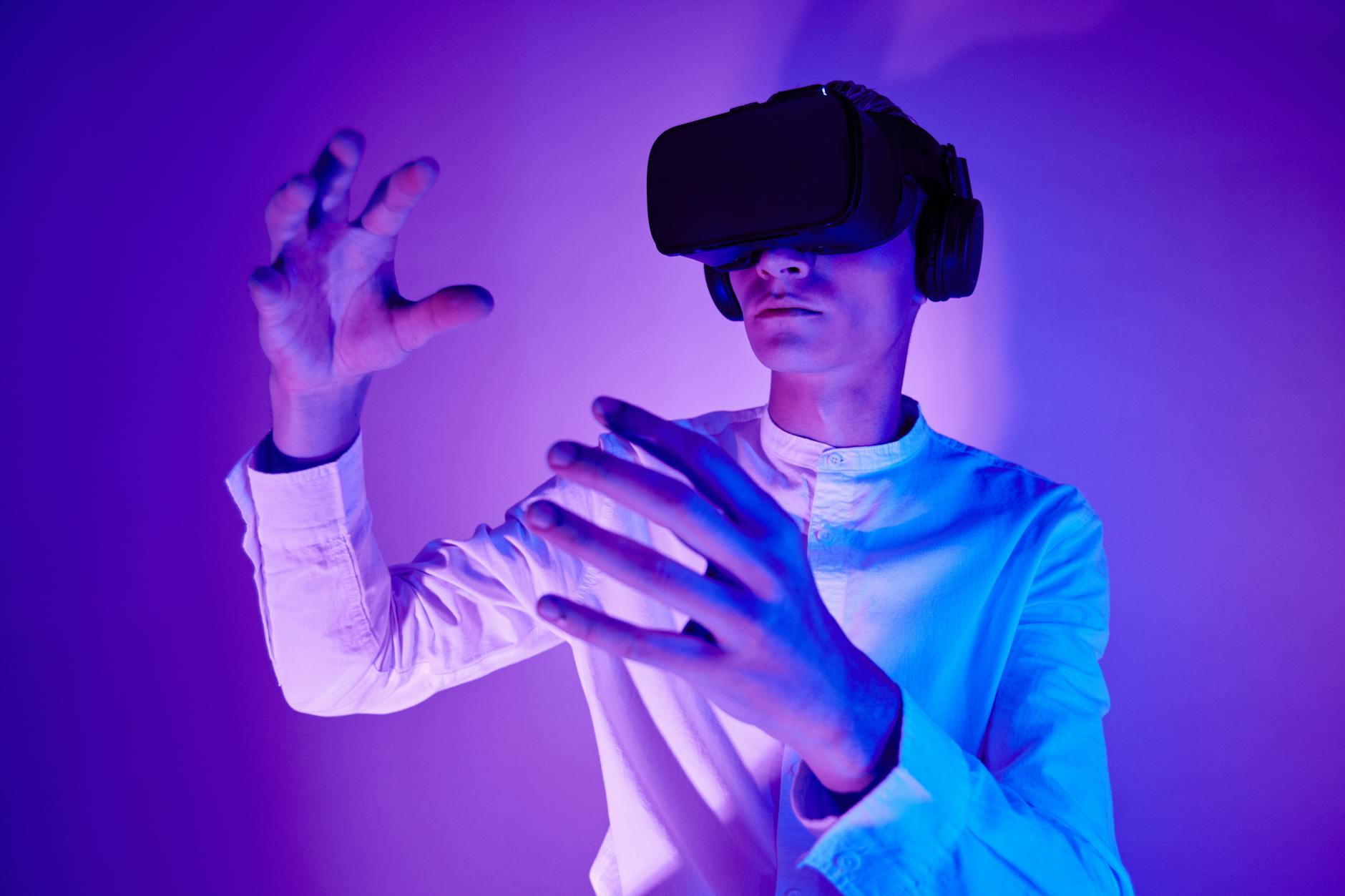
 Photo: Pachon in Motion / Pexels
 Photo: Morthy Jameson / Pexels
 Photo: fauxels / Pexels
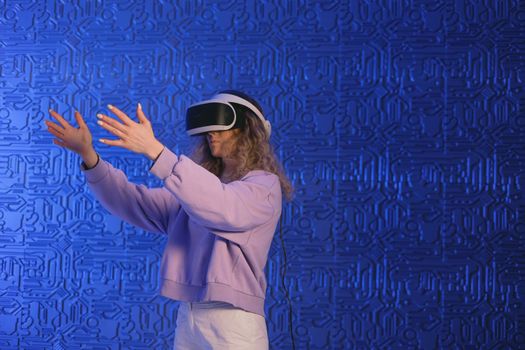 Photo: SHVETS production / Pexels