✓ The global smart home market is projected to reach over $182 billion by 2025.
✓ Energy management and security are top motivators for smart home adoption.
✓ Interoperability between devices remains a key consideration for consumers.
✓ Voice assistants like Alexa and Google Assistant are central to most smart home ecosystems.
How It Works
1
Define Your Needs
Identify which aspects of your home you want to automate or improve, such as security, lighting, climate, or entertainment. This helps narrow down the vast array of available devices.
2
Choose Your Ecosystem
Select a primary smart home platform (e.g., Apple HomeKit, Google Home, Amazon Alexa) to ensure compatibility and seamless integration. Most devices are designed to work within specific ecosystems.
3
Install & Connect Devices
Follow manufacturer instructions to install your chosen smart devices, typically involving a Wi-Fi connection and pairing with your chosen smart home hub or app. Initial setup is usually straightforward.
4
Automate & Personalize
Use the smart home app to create routines, schedules, and custom settings that fit your lifestyle. This allows devices to communicate and act autonomously based on your preferences.
Unlocking the Potential of Smart Home Automation
Photo: Anete Lusina / Pexels
The landscape of home technology is constantly evolving, with new innovations emerging that promise to make our lives easier, safer, and more efficient. For many, the idea of a 'smart home' conjures images of futuristic dwellings, but in reality, smart home automation is already an accessible and practical reality for millions. It's about connecting various devices and appliances in your home, allowing them to communicate with each other and be controlled remotely or automatically. From adjusting your thermostat from your office to checking on your pets while on vacation, the convenience is unparalleled. But beyond mere convenience, smart home devices offer significant benefits in terms of energy savings, enhanced security, and improved accessibility. Imagine your lights automatically dimming as you settle in for a movie, or your coffee machine starting to brew just before your alarm goes off. These aren't just luxuries; they're features that can genuinely enhance your quality of life.
The core of a smart home lies in its interconnectedness. Devices, often called 'Internet of Things' (IoT) devices, use Wi-Fi, Bluetooth, Zigbee, or Z-Wave protocols to communicate with a central hub or directly with your smartphone. This allows for centralized control and the creation of intricate 'routines' or 'scenes' where multiple devices act in concert. For example, a 'Good Morning' routine might involve your smart blinds opening, your smart lights gradually brightening, and your smart speaker playing the morning news. The beauty of modern smart home technology is its modularity; you don't need to overhaul your entire home at once. You can start with a single device, like a smart speaker or a smart plug, and gradually build your ecosystem. The key is to choose devices that are compatible with each other and with your preferred smart home platform, whether it's Amazon Alexa, Google Home, Apple HomeKit, or Samsung SmartThings. Understanding these platforms and their capabilities is crucial for building a cohesive and functional smart home. As you delve deeper, you'll find that the best smart home devices aren't just about individual features, but how seamlessly they integrate to create a truly intelligent living environment. The market is saturated with options, making it challenging to identify what truly stands out. That's why understanding the underlying principles and the reputation of various brands is paramount. You want devices that are reliable, secure, and offer long-term support. In the subsequent sections, we'll dive into specific categories and highlight the top rated smart home devices that truly deliver on their promises, helping you navigate this exciting technological frontier. Consider how a well-integrated smart home can even contribute to sustainable living by optimizing energy consumption, a topic explored further in sustainable tech solutions.
Elevating Home Security with Intelligent Devices
Photo: Giant Asparagus / Pexels
Security is often the primary driver for many homeowners considering smart technology, and for good reason. Modern smart home security devices offer unparalleled peace of mind, allowing you to monitor and protect your property from anywhere in the world. Leading the charge in this category are smart cameras, doorbells, and locks. Smart security cameras, such as those from Arlo, Ring, and Eufy, provide high-definition video surveillance, often with features like motion detection, night vision, and two-way audio. Some even incorporate advanced AI for person detection, distinguishing between a package delivery and an actual intruder. These cameras can send instant alerts to your smartphone, allowing you to view live footage or review recorded clips. The flexibility of indoor and outdoor options, wired or battery-powered models, means there's a solution for every need and budget.
Smart video doorbells, like the Ring Video Doorbell Pro or the Google Nest Doorbell, are another cornerstone of smart home security. They allow you to see and speak to visitors at your door, even when you're not home. This not only deters package thieves but also provides a convenient way to interact with delivery drivers or guests. Many models integrate seamlessly with smart locks, allowing you to remotely grant access to trusted individuals. Speaking of smart locks, devices from August, Yale, and Kwikset offer keyless entry, remote locking/unlocking, and the ability to grant temporary access codes to service providers or friends. This eliminates the need for physical keys and provides a detailed activity log, so you always know who's entering and leaving your home. Beyond these core devices, smart security systems can include window/door sensors, motion detectors, and even smart smoke/CO detectors that alert you directly and can even notify emergency services. These systems often come with professional monitoring options, adding an extra layer of protection. The integration of these devices into a cohesive system means that if one sensor is triggered, your cameras can start recording, lights can turn on, and an alarm can sound, creating a formidable defense against potential threats. The peace of mind that comes from knowing your home is secure, accessible at your fingertips, is invaluable. When selecting security devices, consider factors like subscription fees for cloud storage, integration with your existing smart home ecosystem, and the ease of installation. Prioritize devices with strong encryption and privacy features to protect your personal data and video feeds from unauthorized access.
Optimizing Comfort and Efficiency: Smart Climate and Lighting
Photo: Erik Mclean / Pexels
Beyond security, smart home devices excel at enhancing comfort and optimizing energy efficiency, primarily through intelligent climate control and lighting solutions. Smart thermostats, such as the Google Nest Learning Thermostat or the Ecobee SmartThermostat with Voice Control, have revolutionized how we manage indoor temperatures. These devices learn your preferences, adapt to your schedule, and can be controlled remotely via a smartphone app or voice commands. Many models incorporate occupancy sensors and integrate with local weather forecasts to pre-heat or pre-cool your home, ensuring optimal comfort while minimizing energy waste. The energy savings alone can often justify the initial investment, making them a popular choice for environmentally conscious homeowners and those looking to reduce utility bills. Some advanced thermostats even work with room sensors to ensure consistent temperatures across different zones of your home, eliminating hot or cold spots.
Smart lighting is another transformative category, offering not just convenience but also mood enhancement and significant energy savings. Philips Hue is perhaps the most well-known brand, offering a vast array of smart bulbs, light strips, and fixtures that can change colors, dim, and be controlled individually or in groups. Imagine setting a vibrant blue light for a party, a warm amber for a relaxing evening, or bright white for focused work – all with a tap on your phone or a voice command. Beyond aesthetics, smart lights can be programmed to turn on/off based on schedules, motion detection, or even sunrise/sunset times. This not only adds convenience but also acts as an additional layer of security by making it appear as though someone is home when you're away. Other notable brands include Lutron Caséta for smart switches and dimmers, and Wyze for more budget-friendly smart bulbs. The beauty of smart lighting is its versatility; you can start with a few bulbs in key areas and expand as needed. Integration with smart speakers allows for hands-free control, making adjustments effortless. The combined power of smart thermostats and smart lighting creates an environment that is not only comfortable but also highly responsive to your needs and incredibly energy-efficient. These devices often work in tandem; for example, your smart lights could turn off automatically when your smart thermostat detects no one is home. Exploring the full potential of these interconnected systems can lead to a truly responsive and efficient living space, much like how innovative home automation is reshaping daily life.
Smart Home Entertainment & Productivity Essentials
Beyond the foundational aspects of security and climate control, top rated smart home devices also extend into enhancing your entertainment experience and boosting daily productivity. Smart speakers and displays are often the central command centers for many smart homes, offering voice control over countless devices, streaming music, providing news updates, and even acting as intercoms. Devices like the Amazon Echo Studio or the Google Nest Hub Max are much more than just speakers; they are gateways to your entire smart home ecosystem. The Nest Hub Max, for instance, features a screen that can display recipes, video calls, or security camera feeds, making it a versatile addition to any kitchen or living area. These devices integrate seamlessly with music streaming services, podcasts, and audiobooks, transforming your home into an immersive soundscape.
Smart TVs from brands like LG (with webOS) and Samsung (with Tizen) have also become integral smart home components. They often come with built-in voice assistants, allowing you to control your TV with commands, and can even act as a hub for other smart devices. Streaming sticks and media players like the Apple TV 4K or Roku Ultra also offer smart capabilities, bringing a world of content and connectivity to any television. For those seeking to boost productivity, smart plugs are simple yet incredibly effective devices. They turn any 'dumb' appliance into a smart one, allowing you to control it remotely or schedule its operation. Imagine your coffee maker starting automatically in the morning, or your fan turning off when you leave the room. Brands like TP-Link Kasa and Wyze offer reliable and affordable smart plugs. Furthermore, smart robotic vacuums, such as those from Roomba or Roborock, have become indispensable for maintaining a clean home with minimal effort. They can be scheduled to clean specific areas, navigate around obstacles, and even self-empty, freeing up valuable time. These devices represent the convenience and luxury that smart homes can offer, taking mundane tasks off your plate and allowing you to focus on what truly matters. When choosing entertainment and productivity devices, consider their integration capabilities with your preferred voice assistant and other smart home components to ensure a harmonious and efficient experience. Look for devices that offer robust app control and strong privacy settings, especially for those with microphones and cameras.
Choosing Wisely: Tips for a Seamless Smart Home Experience
Navigating the vast world of smart home devices can be daunting, but with a strategic approach, you can build a system that truly enhances your life. Here are some essential tips to ensure a seamless and satisfying smart home experience:
* **Start Small and Expand:** Don't feel pressured to automate your entire home overnight. Begin with one or two devices that address a specific need or pain point, such as a smart thermostat for energy savings or a smart doorbell for security. As you become comfortable with the technology, you can gradually add more devices.
* **Prioritize Compatibility:** This is arguably the most crucial tip. Choose a primary smart home ecosystem (e.g., Amazon Alexa, Google Home, Apple HomeKit) and stick to devices that are explicitly compatible with it. While some devices offer cross-platform support, a unified ecosystem generally leads to better integration and fewer headaches. Check for labels like 'Works with Alexa' or 'Google Assistant built-in.'
* **Consider Your Wi-Fi Network:** A robust and reliable Wi-Fi network is the backbone of any smart home. Ensure your router can handle multiple connected devices and consider upgrading to a mesh Wi-Fi system if you have a large home or experience dead zones. Poor Wi-Fi can lead to unresponsive devices and frustration.
* **Read Reviews and Research:** Not all smart devices are created equal. Before making a purchase, thoroughly research products, read expert reviews, and check user feedback. Pay attention to comments about reliability, app functionality, customer support, and privacy features.
* **Think About Privacy and Security:** Smart devices collect data, and some have cameras and microphones. Understand the privacy policies of the brands you choose. Opt for devices with strong encryption, two-factor authentication, and reputable security track records. Regularly update firmware to patch vulnerabilities.
* **Plan for the Future:** Technology evolves rapidly. While you can't predict everything, consider devices that support open standards (like Matter) or have a history of consistent software updates. This can help future-proof your smart home to some extent.
* **Don't Overlook the 'Why':** Before buying a device, ask yourself what problem it solves or how it improves your daily life. Avoid buying gadgets just for the sake of having them; focus on practical benefits and genuine convenience.
By following these guidelines, you can avoid common pitfalls and build a smart home that is not only technologically advanced but also intuitive, reliable, and truly beneficial to your lifestyle. The goal is to create a home that works for you, intelligently and effortlessly.
Comparison
Feature
Google Nest Hub Max
Amazon Echo Show 10
Arlo Pro 4 Spotlight Camera
August Smart Lock Pro
Category
Smart Display
Smart Display
Security Camera
Smart Lock
Voice Assistant
Google Assistant
Alexa
N/A
N/A
Video Quality
1080p
1080p
2K HDR
N/A
Rotation/Pan
✗
✓ (Motion Tracking)
✓ (Digital Pan/Tilt)
✗
Installation
Plug & Play
Plug & Play
Wireless
DIY (Existing Deadbolt)
What Readers Say
★★★★★
"The Philips Hue lighting system has completely transformed my home's ambiance. It's so easy to create different moods for every occasion, and the energy savings are a welcome bonus. Definitely one of the top rated smart home devices I own."
Sarah J. · Austin, TX
★★★★★
"I can't imagine living without my Google Nest Learning Thermostat now. It learns my schedule and keeps my home perfectly comfortable, all while significantly cutting down my energy bills. Setup was a breeze, too."
Mark D. · Seattle, WA
★★★★★
"The Ring Video Doorbell Pro gave me peace of mind, especially when I'm away. I caught a package thief on camera last month, and the footage helped the police. It's a must-have for home security."
Emily R. · Miami, FL
★★★★★
"My Amazon Echo Studio is fantastic for music, and controlling my lights with my voice is super convenient. Sometimes Alexa misunderstands me, but overall, it's a solid central hub for my smart home devices."
Chris P. · Denver, CO
★★★★★
"As a busy professional, the Roomba iRobot j7+ has been a game-changer. My floors are always clean, and I love that it empties itself. It truly embodies the convenience promised by top rated smart home devices."
Laura G. · Chicago, IL
Frequently Asked Questions
What are the essential top rated smart home devices to start with?
For beginners, a smart speaker (like Amazon Echo or Google Nest Mini), a smart plug, and a smart thermostat are excellent starting points. These devices offer immediate benefits in terms of convenience and efficiency without requiring a complex setup. They also serve as a good foundation to build upon as you become more familiar with smart home technology and identify further needs.
Are smart home devices secure from hackers?
While no system is 100% impervious, reputable smart home device manufacturers prioritize security with features like strong encryption, regular firmware updates, and two-factor authentication. Users should also take precautions, such as using strong, unique passwords, keeping software updated, and being mindful of network security to minimize risks.
How do I ensure my smart home devices are compatible?
The best way to ensure compatibility is to choose a primary smart home ecosystem (e.g., Apple HomeKit, Google Home, Amazon Alexa) and select devices that explicitly state they 'Work with' or are 'Compatible with' your chosen platform. New standards like Matter are also emerging to improve interoperability across different brands and ecosystems.
How much does it cost to set up a smart home?
The cost of setting up a smart home varies widely based on the number and type of devices. You can start with a single smart plug for under $20 or invest in a comprehensive security system costing several hundred dollars. A fully automated home with multiple categories of devices could range from a few hundred to several thousand dollars, depending on the chosen brands and features.
What's the difference between Zigbee, Z-Wave, and Wi-Fi for smart devices?
Wi-Fi is widely used for direct connectivity but can consume more power and bandwidth. Zigbee and Z-Wave are low-power wireless protocols specifically designed for smart home devices, forming a mesh network that extends range and reliability. They typically require a dedicated hub to bridge them to your Wi-Fi network and the internet, offering advantages in terms of battery life and network stability for many devices.
Who should consider investing in top rated smart home devices?
Anyone looking to enhance convenience, improve home security, save energy, or increase accessibility in their living space can benefit. From busy professionals seeking automation to seniors needing assistance, or eco-conscious individuals aiming for efficiency, smart home devices offer tailored solutions for diverse needs and lifestyles.
Can smart home devices save me money on utilities?
Yes, many smart home devices are designed with energy efficiency in mind and can lead to significant savings. Smart thermostats learn your habits to optimize heating and cooling, smart lighting can be programmed to turn off when not needed, and smart plugs can help monitor and reduce 'vampire drain' from electronics. These optimizations directly translate to lower utility bills over time.
What is the future trend for top rated smart home devices?
Future trends include greater emphasis on interoperability through standards like Matter, enhanced AI and machine learning for more predictive and personalized automation, improved privacy and security features, and deeper integration with health and wellness monitoring. We can expect more seamless, intuitive, and context-aware smart homes that anticipate our needs.
Ready to transform your living space into a smarter, more efficient, and secure haven? Explore our top rated smart home devices and start building the connected home of your dreams today. Your ultimate guide to modern living begins here.

 Photo: Anete Lusina / Pexels
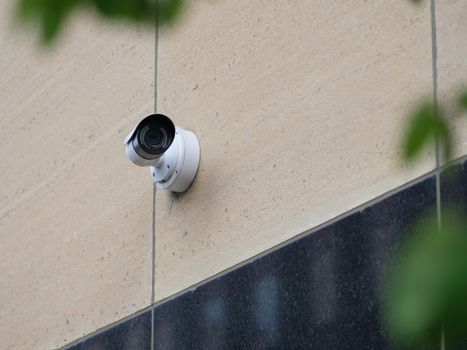 Photo: Giant Asparagus / Pexels
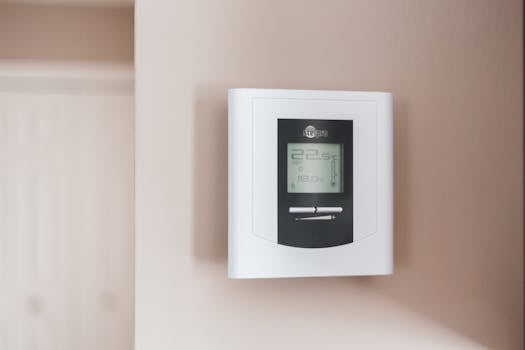 Photo: Erik Mclean / Pexels