
Smart Home Devices for Beginners: Your Easy Start Guide
Transform your living space with intuitive smart technology, designed for seamless integration and everyday convenience.
Start Your Smart Home JourneyKey Takeaways
- ✓ Smart homes offer convenience, security, and energy savings.
- ✓ You don't need to be tech-savvy to set up basic smart devices.
- ✓ Most smart devices connect via Wi-Fi and are controlled by an app.
- ✓ Starting small with one or two devices is the best approach for beginners.
How It Works
Identify a specific need or desire, like smart lighting or a smart speaker. Research simple, highly-rated devices that address this need.
Each smart device typically has a dedicated mobile app. Download it from your phone's app store and create an account.
Plug in your device and follow the in-app instructions to connect it to your home's Wi-Fi network. This usually involves entering your Wi-Fi password.
Once connected, use the app or voice commands to control your device. Explore features like scheduling, routines, and integration with other services.
Demystifying Smart Home Technology for Newbies
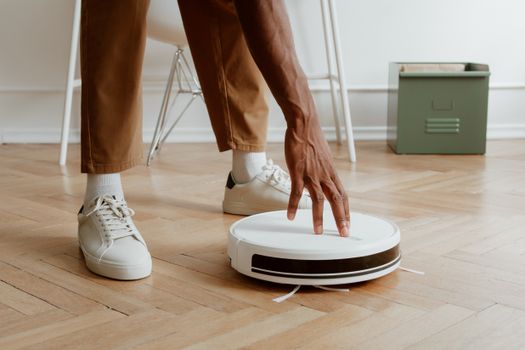 Photo: Ron Lach / Pexels
Essential Smart Home Devices for Beginners: Where to Start
Setting Up Your First Smart Device: A Step-by-Step Guide
Avoiding Common Pitfalls and Maximizing Your Smart Home Experience
Comparison
| Feature | Best Option: Smart Speaker | Alternative 1: Smart Plugs | Alternative 2: Smart Lighting |
|---|---|---|---|
| Setup Difficulty (1-5, 1=Easiest) | 2 | 1 | 2 |
| Cost (Initial Investment) | $25-$100 | $15-$30 per plug | $15-$50 per bulb |
| Primary Benefit | Voice Control & Hub | Automate 'Dumb' Devices | Ambiance & Scheduling |
| Works with Voice Assistants? | ✓ | ✓ | ✓ |
| Energy Saving Potential | ✗ | ✓ (by scheduling) | ✓ (LED & scheduling) |
| Expandability | High | Moderate | Moderate |
What Readers Say
"I was so intimidated by smart home tech, but this guide on smart home devices for beginners made it so easy. I started with a smart speaker and now I can't imagine my mornings without it! It's truly a game-changer."
Sarah P. · Austin, TX"As a complete tech novice, I appreciated the clear, step-by-step advice. I bought smart plugs for my lamps, and the setup was a breeze. Now I can turn off lights from my bed – pure luxury!"
Michael L. · Denver, CO"This article gave me the confidence to finally try smart lighting. Within 15 minutes, I had my living room lights scheduled to turn on at sunset. My energy bill actually went down last month!"
Jessica R. · Miami, FL"Good overview, though I wish there was a bit more on specific brand comparisons within each device type. Still, it helped me choose my first smart thermostat, and I'm happy with the remote control feature."
David K. · Portland, OR"I used to think smart homes were only for tech gurus. This guide proved me wrong. My smart camera gives me so much peace of mind when I'm away from home, and the setup was surprisingly quick."
Emily S. · Chicago, ILFrequently Asked Questions
What is the absolute easiest smart home device for beginners to start with?
For absolute beginners, a smart plug is often the easiest entry point. They are inexpensive, incredibly simple to set up (just plug into an outlet and connect to Wi-Fi via an app), and immediately make any 'dumb' appliance smart. You can then control it remotely or schedule it, offering instant gratification and a clear demonstration of smart home benefits.
Are smart home devices secure, especially for personal data?
The security of smart home devices is a valid concern. While no system is 100% impenetrable, reputable brands invest heavily in security. Always use strong, unique passwords, enable two-factor authentication when available, and keep your device firmware updated. Choose brands with a good track record for privacy and security to minimize risks.
How do I connect my smart home devices to my Wi-Fi?
Most smart home devices connect to your home Wi-Fi network through a dedicated smartphone app. After plugging in the device, you'll open its app, create an account, and then follow on-screen prompts to select your Wi-Fi network and enter its password. The app typically guides you through putting the device into a 'pairing mode' to facilitate this connection.
Are smart home devices expensive, and do they save money?
The cost of smart home devices varies widely. You can start with smart plugs or bulbs for under $20-$30, or invest in a smart thermostat for $150-$250+. While there's an initial outlay, many devices, like smart thermostats and smart lighting, can lead to significant energy savings over time by optimizing usage, potentially offsetting their cost.
How do smart home devices compare to traditional 'dumb' appliances?
Smart home devices offer convenience, automation, and remote control that traditional 'dumb' appliances cannot. While a traditional lamp simply turns on/off, a smart lamp can be controlled by voice, scheduled, dimmed, and change colors. The key difference is connectivity and intelligence, allowing for greater control and integration into your lifestyle.
Who should consider getting smart home devices for beginners?
Anyone looking to simplify daily routines, enhance home security, or save energy should consider smart home devices. They are particularly beneficial for busy individuals, those wanting more control over their home environment, or anyone curious about modern technology but unsure where to start. No advanced tech skills are required.
Can smart home devices spy on me or listen to my conversations?
Smart speakers and cameras are designed to listen for specific wake words or detect motion, respectively. Reputable brands state that recordings are not stored or shared without explicit user permission. However, it's crucial to be aware of privacy settings, review terms of service, and place devices thoughtfully. Always prioritize trusted brands and strong security practices.
What is the future trend for smart home devices?
The future of smart home devices points towards greater interoperability, more advanced AI-driven automation, and enhanced personalized experiences. Expect devices to communicate more seamlessly across different brands (thanks to standards like Matter), anticipate your needs more accurately, and offer even more sophisticated health and security monitoring capabilities, becoming truly intuitive home assistants.
Ready to experience the convenience and comfort of a connected home? Our guide on smart home devices for beginners has equipped you with the knowledge and confidence to take that first step. Don't wait – start building your smarter home today and transform your daily life.