
How to Fix Slow Internet Connection: Ultimate Guide
how to fix slow internet connection

How to Fix Slow Internet Connection: Ultimate Guide

Uncover the root causes of your sluggish internet and implement effective solutions to dramatically boost your online speed and reliability.

Boost Your Speed Now!

Key Takeaways

  • ✓ Over 70% of internet speed issues can be resolved with simple troubleshooting steps.
  • ✓ Your Wi-Fi router's placement and age significantly impact your connection speed.
  • ✓ Outdated device drivers and firmware can severely bottleneck your internet performance.
  • ✓ Malware and background applications often consume bandwidth without your knowledge.

How It Works

1
Identify the Problem Source

Before attempting fixes, determine if the issue is local (your devices, Wi-Fi) or external (ISP, modem). Run speed tests and check other devices to narrow down the problem.

2
Optimize Your Local Network

Focus on improving your home network: repositioning your router, upgrading Wi-Fi hardware, and ensuring all connected devices are free of bandwidth-hogging processes or malware.

3
Address Device-Specific Issues

Update network drivers, clear browser caches, and scan for viruses on individual devices. Sometimes, a single device can be the bottleneck for your entire network's perceived speed.

4
Engage Your Internet Service Provider (ISP)

If local troubleshooting doesn't resolve the issue, contact your ISP. They can check line quality, provide firmware updates for your modem, or suggest a plan upgrade if your current speed is insufficient.

Understanding the Root Causes of Slow Internet

A tired woman with curly hair and glasses experiencing stress while working on a laptop. Photo: MART PRODUCTION / Pexels
Before you can effectively learn how to fix slow internet connection, it’s crucial to understand the myriad reasons why your internet might be underperforming. Slow internet isn't always about your ISP; often, the culprits lie within your own home network or even your devices. One of the most common issues stems from Wi-Fi interference. Your router broadcasts signals that can be obstructed by physical barriers like walls, floors, and large appliances, or interfered with by other electronic devices operating on similar frequencies, such as cordless phones, microwaves, or even your neighbors' Wi-Fi networks. This 'noise' degrades signal quality, leading to reduced speeds and dropped connections. Another significant factor is outdated hardware. An old modem or router, especially one provided by your ISP years ago, might not be capable of handling the speeds your internet plan promises. Technology evolves rapidly, and older equipment often lacks modern features like Wi-Fi 6 or dual-band capabilities, which are essential for optimal performance in today's multi-device households. Similarly, the age and condition of your network cables (Ethernet, coaxial) can also play a role. Damaged or low-quality cables can introduce signal loss and errors, slowing down your connection, especially for devices directly connected to the router. Software-related issues are equally prevalent. Your devices themselves can be bandwidth hogs. Background applications, automatic updates, cloud syncing services, and even malware or viruses can consume significant portions of your internet bandwidth without your explicit knowledge. A computer bogged down by bloatware or a smartphone constantly uploading photos to the cloud can make your entire network feel sluggish. Furthermore, an overloaded network, where too many devices are simultaneously streaming, gaming, or downloading, can quickly exhaust your available bandwidth, leading to a noticeable slowdown for everyone. It's a shared resource, and when it's oversubscribed, everyone suffers. Identifying which of these factors are at play is the first critical step in diagnosing and resolving your internet woes. For more detailed insights into network optimization, consider exploring resources on optimizing your home network.

Optimizing Your Wi-Fi Network for Peak Performance
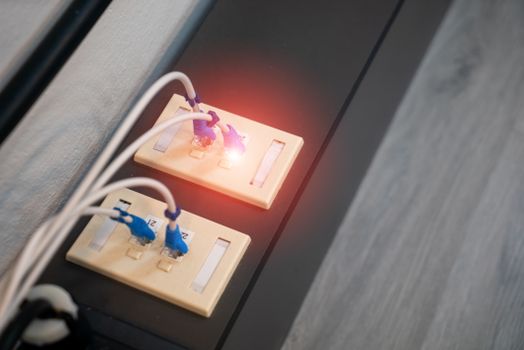
Close-up view of Ethernet ports with cables and illuminated LED indicator. Modern data connection setup. Photo: panumas nikhomkhai / Pexels
Once you've grasped the potential causes, the next step in how to fix slow internet connection often involves a thorough optimization of your Wi-Fi network. Router placement is paramount. Your Wi-Fi router should be centrally located in your home, ideally in an open area, away from walls, large metal objects, and other electronics that can cause interference. Placing it on a higher shelf or table can also improve signal propagation, as Wi-Fi signals tend to broadcast downwards. Avoid closets, basements, or corners, as these locations will severely limit your signal reach and strength. Beyond placement, consider the technical aspects of your router. Most modern routers offer dual-band capabilities (2.4 GHz and 5 GHz). The 2.4 GHz band has a longer range and better wall penetration but is slower and more prone to interference. The 5 GHz band offers faster speeds and less interference but has a shorter range. Ensure your devices are connecting to the appropriate band – high-bandwidth activities like streaming or gaming should ideally use the 5 GHz band if within range, while general browsing or devices further away can use 2.4 GHz. You might even consider creating separate SSIDs for each band to manage connections more effectively. Firmware updates are another critical, yet often overlooked, aspect of router maintenance. Router manufacturers frequently release firmware updates that improve performance, enhance security, and fix bugs. Check your router's administration panel (usually accessible via a web browser) for available updates and install them regularly. If your router is more than a few years old, upgrading to a newer model with Wi-Fi 6 (802.11ax) or Wi-Fi 6E technology can provide a significant speed boost and better handle multiple devices. Features like MU-MIMO (Multi-User, Multiple-Input, Multiple-Output) and beamforming in newer routers also help direct stronger signals to your devices, further improving efficiency and speed. Implementing a mesh Wi-Fi system can also be a game-changer for larger homes, eliminating dead zones and providing consistent coverage throughout your property.

Device-Specific Solutions and Advanced Troubleshooting
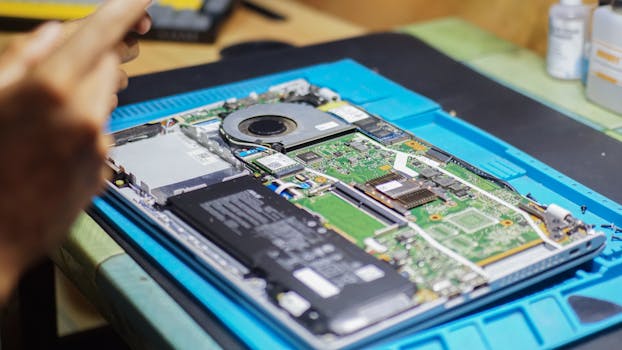
Close-up of laptop being repaired with visible components and tools. Photo: Found GHI / Pexels
Even with an optimized Wi-Fi network, individual device issues can still make you wonder how to fix slow internet connection. Start by ensuring all your network drivers are up to date. Outdated Ethernet or Wi-Fi adapter drivers on your computer can significantly bottleneck your connection speed. Visit your device manufacturer's website or use a reliable driver updater tool to check for and install the latest versions. A simple reboot of your devices – not just the router and modem, but also your computers, smartphones, and smart TVs – can often resolve temporary glitches and clear out any processes hogging bandwidth or memory. Browser-related issues are also common. An accumulation of cached data, cookies, and numerous browser extensions can slow down your web browsing experience. Regularly clear your browser's cache and cookies, and disable or remove any unnecessary extensions. Consider using a different browser temporarily to see if the issue is browser-specific. Furthermore, ensure your operating system and all applications are up to date. Software updates often include performance improvements and bug fixes that can impact internet-related tasks. Background downloads from services like Windows Update, Steam, or Adobe Creative Cloud can also consume substantial bandwidth; check their settings to schedule updates during off-peak hours. Finally, don't underestimate the impact of malware and viruses. Malicious software can run in the background, consuming system resources and bandwidth, or even redirect your internet traffic. Perform regular, full-system scans with reputable antivirus software. If you suspect a serious infection, consider a clean reinstall of your operating system. For persistent issues, a factory reset of your router might be necessary, but remember this will erase all your custom settings, including your Wi-Fi name and password, so be prepared to reconfigure it. Sometimes, even your DNS server can affect perceived speed; switching to a public DNS like Google DNS or Cloudflare DNS can occasionally offer a noticeable speed improvement and better reliability. For more in-depth solutions regarding device performance, check out our guide on boosting computer speed.

When to Contact Your ISP and Other Essential Tips
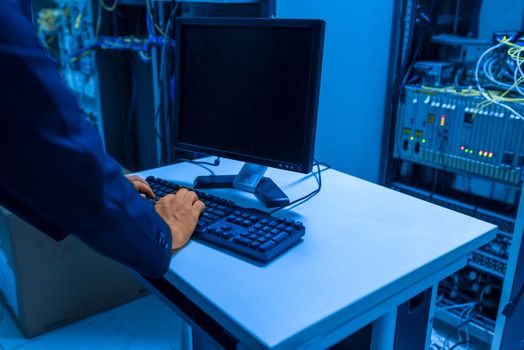
An IT professional operates a computer in a server room, managing network systems and connected devices. Photo: panumas nikhomkhai / Pexels
If you've exhausted all local troubleshooting steps and are still wondering how to fix slow internet connection, it’s time to involve your Internet Service Provider (ISP). Before calling, gather some information: your account details, the results of several speed tests (run on different devices, both wired and wireless, at various times of day), and a summary of the steps you've already taken. This preparation will help the ISP's support team diagnose the issue more efficiently. They can check the line quality to your home, perform remote diagnostics on your modem, and verify if there are any known outages in your area. They might also be able to push a firmware update to your modem or suggest a replacement if it's faulty or outdated. Here are some essential tips to keep in mind: * **Perform Regular Speed Tests:** Use reliable services like Speedtest.net or Fast.com to monitor your internet speed consistently. This helps you track performance over time and provides concrete data if you need to contact your ISP. * **Consider a Wired Connection:** For critical devices like gaming consoles or main computers, an Ethernet connection is almost always faster and more stable than Wi-Fi. It eliminates wireless interference and maximizes speed. * **Upgrade Your Internet Plan:** Sometimes, the simplest solution is that your current internet plan simply isn't fast enough for your household's demands. If you have multiple users streaming 4K video, gaming online, and working from home simultaneously, a basic plan will struggle. Review your usage patterns and consider upgrading to a higher speed tier. * **Check for Bandwidth-Hogging Devices/Apps:** Use your router's administration panel (if it has the feature) to identify which devices are consuming the most bandwidth. Some routers even allow you to prioritize traffic for certain devices or applications (Quality of Service - QoS). * **Reset Your Network Equipment Regularly:** A simple power cycle (unplugging your modem and router for 30 seconds, then plugging them back in) once a month can often clear up minor issues and improve performance. By systematically addressing these points, you can significantly improve your internet experience and keep those frustrating slowdowns at bay.

Comparison

Solution TypeEffectivenessCostEffort
Router RebootHigh (temporary issues)FreeLow
Router UpgradeVery High (old hardware)$50-$300+Medium
Firmware UpdateHigh (bugs/performance)FreeLow
Wired ConnectionVery High (stability/speed)Low ($5-$20 cable)Low
ISP ContactHigh (line issues/plan)Potentially freeMedium
Driver UpdatesHigh (device specific)FreeLow

What Readers Say

"I was constantly frustrated with buffering, but following the advice on how to fix slow internet connection helped me realize my router placement was terrible. Moving it made an immediate and noticeable difference!"

Sarah J. · Austin, TX

"The guide's tips on checking for background apps and outdated drivers were a lifesaver. My laptop was the real bottleneck, not my internet plan. Now my speeds are consistently faster."

Mark D. · Seattle, WA

"After struggling for weeks, I used this article to systematically troubleshoot. It led me to realize my modem was ancient. A quick call to my ISP for an upgrade, and now I'm getting the speeds I pay for!"

Jessica L. · Miami, FL

"While not every tip was revolutionary, the organized approach to how to fix slow internet connection helped me pinpoint that my Wi-Fi channel was overcrowded. Switching it improved stability, though not a huge speed bump."

David R. · Denver, CO

"As a remote worker, slow internet is a nightmare. This guide's focus on device-specific fixes, especially clearing browser cache and extensions, transformed my daily workflow. Highly recommend for anyone working from home!"

Emily P. · Chicago, IL

Frequently Asked Questions

What is the most common reason for slow internet?

The most common reasons for slow internet are often related to Wi-Fi interference, outdated router firmware, an overloaded network with too many devices, or an old modem. Your internet plan might also not be sufficient for your current usage demands, especially with more people working and streaming from home.

Will a new router really make my internet faster?

Yes, a new router can significantly improve your internet speed, especially if your current router is several years old. Newer routers feature improved technologies like Wi-Fi 6, better processors, and stronger antennas, which can handle more devices and deliver faster, more stable connections, making a noticeable difference in how to fix slow internet connection.

How do I check my actual internet speed?

You can check your actual internet speed using online speed test websites like Speedtest.net or Fast.com. For the most accurate results, perform the test on a device connected directly to your router via an Ethernet cable, and ensure no other devices are actively using the internet during the test.

Is it worth upgrading my internet plan for speed?

Upgrading your internet plan is worth it if your current plan consistently falls short of your household's actual usage needs. If you frequently experience buffering, lag, or slow downloads across multiple devices, especially during peak hours, a higher-speed plan can provide the necessary bandwidth for a smoother experience.

How does a VPN affect internet speed?

A VPN (Virtual Private Network) can sometimes slow down your internet connection because it encrypts your data and routes it through an external server. This adds an extra step in the data transmission process. The extent of the slowdown depends on the VPN server's location, its quality, and your original connection speed.

Who should read this guide on how to fix slow internet connection?

This guide is for anyone experiencing frustratingly slow internet speeds, from casual users to remote workers and avid streamers. If you're looking for practical, actionable steps to diagnose and resolve common internet performance issues without needing an IT degree, this guide is for you.

Is my internet speed slow due to a virus or malware?

Yes, a virus or malware can definitely cause your internet speed to slow down. Malicious software can run in the background, consuming significant bandwidth, sending data, or even redirecting your web traffic, leading to a noticeable drop in performance. Regular antivirus scans are crucial.

What are the future trends in internet speed and connectivity?

Future trends in internet speed and connectivity point towards widespread adoption of 5G and fiber optic networks, offering multi-gigabit speeds and ultra-low latency. Wi-Fi 7 (802.11be) is also on the horizon, promising even faster wireless connections and better handling of dense device environments, further enhancing how we fix slow internet connection issues.

Don't let slow internet hold you back any longer. By applying the comprehensive strategies outlined in this guide, you now have the tools and knowledge on how to fix slow internet connection and transform your online experience. Take action today and enjoy the fast, reliable internet you deserve!

Topics: how to fix slow internet connectionboost internet speedtroubleshoot internetimprove Wi-Fiinternet optimization
Leo List

DK Escorts LU Escorts AT Escorts SE Escorts FI Escorts CH Escorts DE Escorts HR Escorts IE Escorts GR Escorts CZ Escorts NO Escorts BE Escorts FR Escorts SI Escorts IL Escorts NL Escorts PL Escorts HU Escorts ES Escorts IT Escorts PT Escorts SK Escorts RO Escorts ZA Escorts UY Escorts US Escorts UK Escorts NZ Escorts AU Escorts
Brampton weed
Adultwork EstrelaBet Vai de Bet R7 Bet Betão Galera Bet Rainbet Bet9ja Shop SportyBet BetKing Sisal Loto Foot Hollywoodbets YesPlay Odibets RushBet Jugabet BetWarrior BetCity MSport betPawa Fortebet