✓ The first 'personal computer' concepts emerged in the 1960s with interactive terminals.
✓ The Altair 8800, released in 1975, is widely considered the first successful personal computer.
✓ Apple, IBM, and Microsoft were pivotal in popularizing personal computing in the 1980s.
✓ The internet and graphical user interfaces (GUIs) revolutionized PC usage in the 1990s.
How It Works
1
Early Concepts & Mainframes
Before personal computers, large, expensive mainframe computers dominated. Researchers envisioned smaller, more accessible machines for individual use.
2
The Dawn of Microcomputers
The invention of the microprocessor made smaller, more affordable computers possible. Hobbyists and engineers began building their own systems.
3
Commercialization & Mass Adoption
Companies like Apple and IBM introduced user-friendly personal computers to the market. This era saw the rise of operating systems and application software.
4
Modern Era & Beyond
The internet, mobile technology, and cloud computing have transformed personal computers. Today, they are ubiquitous and continue to evolve rapidly.
The Genesis of Personal Computing: From Mainframes to Microprocessors
Photo: Nicolas Foster / Pexels
The story of the personal computer doesn't begin with a sleek laptop or a desktop tower; it starts much earlier, in the era of room-sized mainframes and punch cards. For decades, computing power was the exclusive domain of large corporations, governments, and universities. These monolithic machines, like the ENIAC or UNIVAC, required dedicated air-conditioned rooms, teams of operators, and immense budgets. They were not 'personal' in any sense of the word, serving as central processing hubs for vast amounts of data. However, even in this era, visionaries began to dream of a different future – one where computing power could be harnessed by individuals. The concept of 'time-sharing' in the 1960s, which allowed multiple users to access a single mainframe simultaneously via terminals, was an early step towards individual interaction with computers. Projects like Douglas Engelbart's NLS (oN-Line System) at SRI, demonstrated in 1968, showcased revolutionary concepts such as the mouse, hypertext, and graphical user interfaces, laying foundational groundwork for what would become personal computing, even if the hardware was still far from personal. The true catalyst for the personal computer revolution was the invention of the microprocessor. In 1971, Intel released the 4004, a single chip that contained all the essential components of a central processing unit (CPU). This miniaturization was a monumental leap. Suddenly, the core intelligence of a computer could fit on a small, relatively inexpensive component. This innovation opened the floodgates for hobbyists and engineers to begin experimenting with building their own computers. These early machines were often sold as kits, requiring users to assemble circuit boards, solder components, and write their own basic software. They were crude, lacked sophisticated input/output devices, and certainly weren't user-friendly, but they represented a profound shift. The power of computing was no longer confined to institutional budgets; it was becoming accessible to the curious and the technically adept. The Homebrew Computer Club, founded in 1975 in Menlo Park, California, became a legendary gathering place for these pioneers, where ideas were shared, and the blueprints for future tech giants were often sketched out. This period was characterized by a spirit of innovation and open collaboration, where the passion for technology drove rapid advancements. Without the microprocessor, the dream of a personal computer would have remained just that – a dream. It was this fundamental technological breakthrough that transformed the abstract concept of individual computing into a tangible, albeit nascent, reality, setting the stage for the explosion of innovation that would follow. The transition from massive mainframes to desktop-sized machines was a paradigm shift that forever altered the landscape of technology and society, paving the way for the digital age we inhabit today. Learn more about the history of microprocessors.
The Birth of the Personal Computer: From Hobby Kits to Household Names
Photo: William Warby / Pexels
The mid-1970s marked the true birth of the personal computer as a recognizable entity, moving beyond mere hobbyist projects to commercially viable products. The year 1975 is often cited as the watershed moment, with the introduction of the Altair 8800. Developed by Micro Instrumentation and Telemetry Systems (MITS), the Altair 8800 was initially sold as a kit for $439. It lacked a keyboard, monitor, or even a proper operating system; programming was done by flipping switches on the front panel. Despite its rudimentary nature, its affordability and the sheer novelty of owning one's own computer sparked immense excitement. It was so popular that Bill Gates and Paul Allen, seeing its potential, developed a BASIC interpreter for it, leading to the formation of Microsoft. The Altair proved that there was a market for personal computers, even if that market was initially limited to enthusiasts. Following the Altair's success, a flurry of innovation ensued. In 1977, often referred to as the 'Trinity' year, three iconic personal computers were released that would define the early market: the Apple II, the Commodore PET, and the TRS-80. The Apple II, designed by Steve Wozniak and marketed by Steve Jobs, was a groundbreaking machine. It featured color graphics, an open architecture for expansion cards, and, crucially, came pre-assembled with a monitor and keyboard, making it far more user-friendly than its predecessors. Its success was further cemented by the introduction of VisiCalc, the first spreadsheet program, which transformed the Apple II from a hobbyist's toy into a serious business tool. The Commodore PET (Personal Electronic Transactor) was another significant player, known for its all-in-one design and integrated cassette drive for data storage. It found particular success in educational markets. Tandy Corporation's TRS-80, sold through Radio Shack stores, brought personal computing to the masses with its relatively low price point and widespread retail availability. These machines, while still primitive by today's standards, represented a monumental shift. They were not just for engineers; they were for small businesses, schools, and even homes. They offered a glimpse into a future where computing power was democratized, empowering individuals to create, organize, and play in ways previously unimaginable. The competition among these early pioneers fueled rapid advancements in hardware and software, creating a vibrant ecosystem that would soon attract even larger players. The foundation for the modern personal computing industry was firmly laid during this period, demonstrating the immense potential of accessible technology. This era truly solidified the concept of a 'personal' computer, moving it from a niche curiosity to a burgeoning industry with widespread appeal and transformative potential.
The IBM PC Era and the Rise of Software Giants
Photo: Nicolas Foster / Pexels
The early 1980s ushered in a new era for personal computing, one dramatically shaped by the entry of a corporate behemoth: IBM. Until then, the personal computer market was largely dominated by smaller, agile companies like Apple, Commodore, and Tandy. IBM, a company synonymous with large, expensive business machines, initially dismissed the personal computer as a niche product. However, recognizing the burgeoning market and the threat posed by these upstarts, IBM decided to enter the fray. In 1981, they launched the IBM Personal Computer, or IBM PC. Unlike its meticulously engineered mainframes, IBM adopted a more open architecture for the PC, using off-the-shelf components and, crucially, licensing its operating system from a relatively unknown company called Microsoft. This decision proved to be one of the most pivotal in computing history. The IBM PC, while not revolutionary in its technology, brought instant legitimacy to the personal computer market. Businesses, which had been hesitant to invest in machines from smaller companies, now felt confident adopting a computer backed by the trusted IBM brand. This corporate endorsement spurred mass adoption in offices and enterprises across the globe. The open architecture also led to a proliferation of 'IBM PC compatibles,' as other manufacturers could legally build machines that ran the same software and used the same expansion cards. This created a vast ecosystem, driving down prices and accelerating innovation. Microsoft, having provided the PC-DOS (which became MS-DOS) operating system, suddenly found itself at the heart of the personal computing revolution. Their strategic licensing model, rather than selling exclusive rights, allowed MS-DOS to become the de facto standard, laying the groundwork for their future dominance. The success of the IBM PC also fueled the growth of independent software vendors (ISVs). Developers flocked to create applications for the rapidly expanding PC market, leading to the creation of iconic programs like Lotus 1-2-3, WordPerfect, and later, Microsoft Word and Excel. These applications transformed how businesses operated, making tasks like accounting, word processing, and data management far more efficient. Meanwhile, Apple, though initially overshadowed, continued to innovate. In 1984, they launched the Macintosh, a machine that revolutionized personal computing with its graphical user interface (GUI) and mouse. While initially expensive and lacking software, the Mac's intuitive design foreshadowed the future of computing, making it accessible to a much broader audience beyond command-line experts. The 1980s were a period of intense competition, rapid technological advancement, and the establishment of industry titans. The IBM PC's open architecture and Microsoft's operating system created a powerful standard, while Apple's Macintosh pushed the boundaries of user experience. This era cemented the personal computer's role as an indispensable tool, setting the stage for the internet age and the digital revolution that would follow. Explore the impact of operating systems on computing.
The Internet Age and Beyond: Modern Personal Computing Trends
Photo: Nicolas Foster / Pexels
The 1990s marked another profound transformation in the history of personal computers, largely driven by two interconnected forces: the widespread adoption of the graphical user interface (GUI) and the explosive growth of the World Wide Web. While Apple had pioneered the GUI with the Macintosh in 1984, it was Microsoft's Windows 3.0 (1990) and especially Windows 95 (1995) that brought a user-friendly, mouse-driven interface to the vast majority of PC users. Windows 95, with its iconic Start button and taskbar, made personal computers far more accessible to the general public, reducing the barrier to entry and fueling mass market adoption. This shift from command-line interfaces to intuitive graphical environments was critical in making computers less intimidating and more productive for everyday tasks. Simultaneously, the internet, which had existed for decades as a network for researchers and academics, began its rapid expansion into homes and businesses. The development of web browsers like Mosaic and Netscape Navigator provided a simple way to access information and services online. Suddenly, the personal computer was not just a standalone productivity tool; it became a gateway to a global network of information, communication, and commerce. Email, online forums, and eventually e-commerce transformed how people interacted with each other and conducted business. The late 1990s and early 2000s saw the rise of faster processors, larger hard drives, and more powerful graphics cards, enabling richer multimedia experiences and more complex software. Gaming became a significant driver of hardware innovation, pushing the boundaries of what PCs could do. The advent of broadband internet further accelerated the shift towards online services and content consumption. The 21st century has continued this trajectory of innovation, with personal computers evolving in form factors and capabilities. Laptops became dominant, offering portability that desktops couldn't match. The rise of smartphones and tablets, essentially highly portable personal computers, further blurred the lines between devices. Cloud computing emerged as a major trend, allowing users to store data and run applications remotely, reducing reliance on local hardware. Today, personal computers encompass a vast array of devices, from powerful gaming rigs and professional workstations to ultra-thin ultrabooks and 2-in-1 convertibles. Artificial intelligence, virtual reality, and ever-increasing connectivity continue to shape their development. The personal computer is no longer a luxury but an essential tool for work, education, communication, and entertainment, constantly adapting to new technologies and user demands, ensuring its continued relevance in our digital lives. The journey from a blinking light box to a ubiquitous, interconnected device is a testament to human ingenuity and relentless innovation.
Comparison
Feature
Early PCs (1970s)
IBM PC Era (1980s)
Modern PCs (2000s-Present)
Processor Speed
kHz range
MHz range
GHz range
Memory (RAM)
4KB - 64KB
64KB - 1MB
4GB - 128GB+
Storage
Cassette/Floppy
Floppy/Hard Drive (MB)
SSD/HDD (TB)
User Interface
Command Line/Switches
Command Line/Early GUI
Graphical User Interface
Connectivity
None/Serial Port
Modem/LAN (limited)
Wi-Fi/Ethernet/Bluetooth
Typical Cost
$500 - $2000
$1500 - $5000+
$500 - $3000+
What Readers Say
★★★★★
"This article on the history of personal computers timeline was incredibly detailed and well-researched. I learned so much about the early days of computing that I never knew before. A truly comprehensive overview!"
Sarah J. · Austin, TX
★★★★★
"As a long-time tech enthusiast, I found this history of personal computers timeline to be a fantastic read. It brought back memories of my first Commodore 64 and really highlighted the rapid evolution of the industry."
Mark D. · Seattle, WA
★★★★★
"I needed to understand the foundational elements for a project, and this history of personal computers timeline delivered. The breakdown from mainframes to modern PCs helped me grasp the progression and key innovations clearly."
Emily R. · Boston, MA
★★★★★
"The article was very informative, especially the sections on the IBM PC and the internet's impact. I would have loved to see a bit more on the rise of mobile computing within the 'personal computer' context, but overall, excellent."
Alex K. · San Francisco, CA
★★★★★
"For someone new to tech history, this history of personal computers timeline was an accessible and engaging introduction. It made complex topics easy to understand and appreciate the journey of these incredible machines."
David L. · Chicago, IL
Frequently Asked Questions
What is considered the first true personal computer?
While there were earlier experimental machines, the Altair 8800, released in 1975, is widely recognized as the first commercially successful personal computer. It was sold as a kit and sparked the hobbyist computer movement, paving the way for more user-friendly machines like the Apple II and IBM PC.
Was Apple the first company to make a personal computer?
No, Apple was not the first. Companies like MITS (with the Altair 8800) and Commodore (with the KIM-1) predated Apple's commercial success. However, Apple's Apple II, released in 1977, was one of the first highly successful, pre-assembled, and user-friendly personal computers that significantly broadened the market.
How did the internet impact the development of personal computers?
The internet profoundly transformed personal computers by changing them from standalone productivity tools into interconnected gateways to information, communication, and commerce. It drove demand for faster processors, more memory, and better networking capabilities, and led to the development of web browsers, email clients, and online services, making PCs indispensable for modern life.
Why did the IBM PC become so dominant in the 1980s?
The IBM PC became dominant due to IBM's trusted brand name, which legitimized personal computing for businesses, and its open architecture. This open design allowed other manufacturers to create 'IBM PC compatibles,' leading to a vast ecosystem of hardware and software, driving down costs and accelerating innovation, with Microsoft's MS-DOS becoming the industry standard operating system.
How do modern smartphones and tablets fit into the history of personal computers?
Modern smartphones and tablets can be considered a continuation of the personal computer's evolution. They are highly portable, powerful computing devices that perform many of the same functions as traditional PCs, such as internet browsing, email, and running applications. They represent a significant shift towards ubiquitous, mobile computing, blurring the lines between different device categories.
Who should be interested in the history of personal computers timeline?
Anyone with an interest in technology, innovation, business history, or the evolution of society should find the history of personal computers timeline fascinating. It's particularly relevant for students, tech professionals, entrepreneurs, and anyone who uses a computer daily and wants to understand the journey of this transformative invention.
Are there any risks associated with the rapid advancement of personal computing?
Yes, rapid advancements bring challenges such as cybersecurity threats, privacy concerns due to vast data collection, the digital divide where access to technology is unequal, and the environmental impact of manufacturing and disposing of electronic waste. Ethical considerations around AI and automation also become more pressing as computers become more sophisticated.
What does the future hold for personal computers?
The future of personal computers is likely to involve further integration with artificial intelligence, more immersive interfaces like augmented and virtual reality, increased connectivity through 5G and beyond, and continued miniaturization and specialization for various tasks. Cloud computing will continue to offload processing and storage, making devices even more powerful and versatile.
Embark on a deeper dive into the technological marvels that shaped our world. Understanding the history of personal computers timeline not only illuminates the past but also provides invaluable context for the innovations yet to come. Explore, learn, and appreciate the journey of these incredible machines.
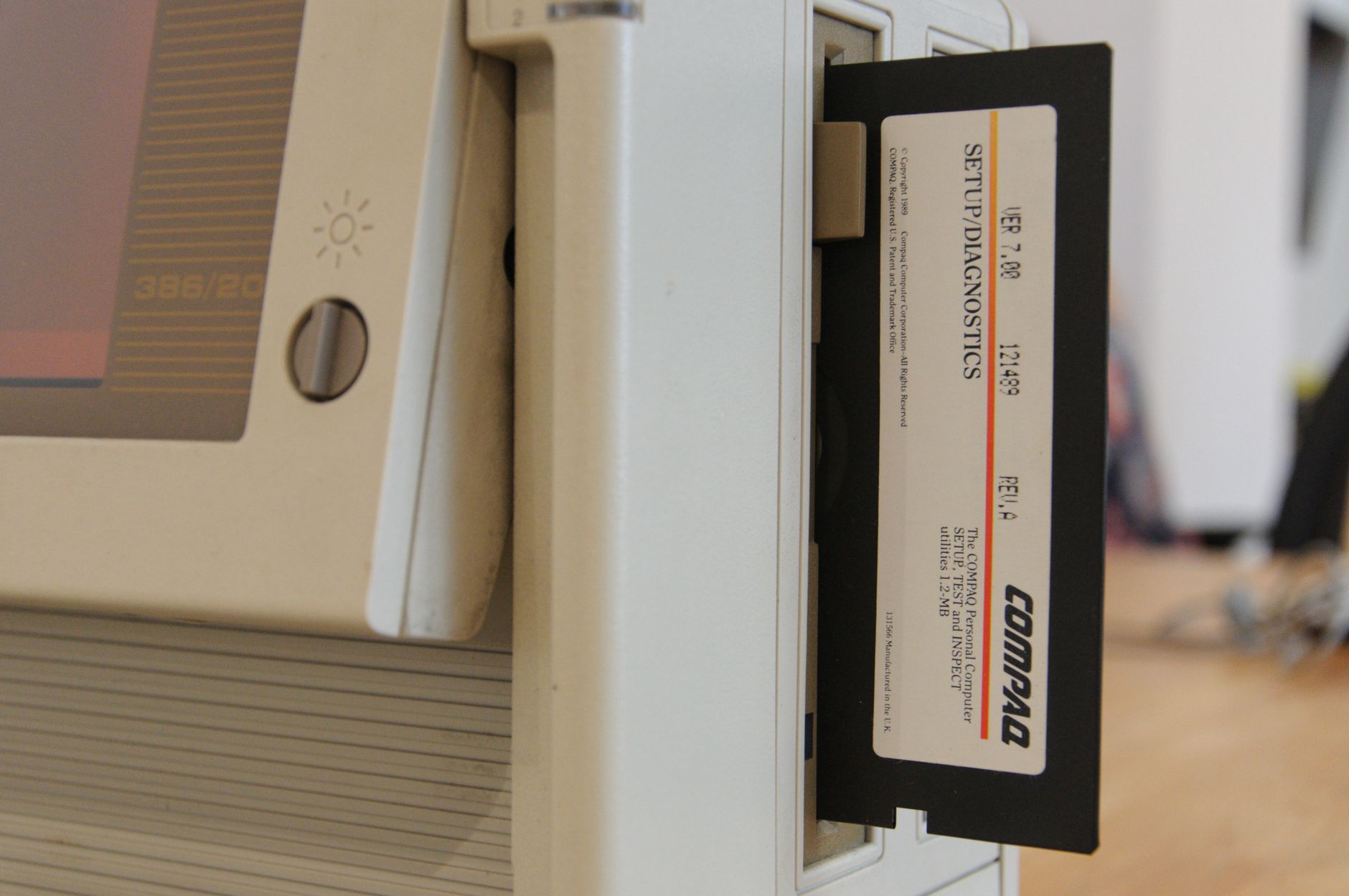
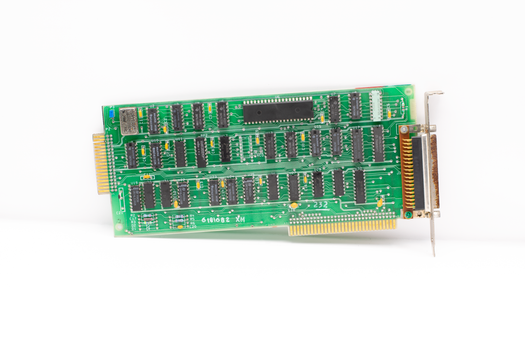 Photo: Nicolas Foster / Pexels
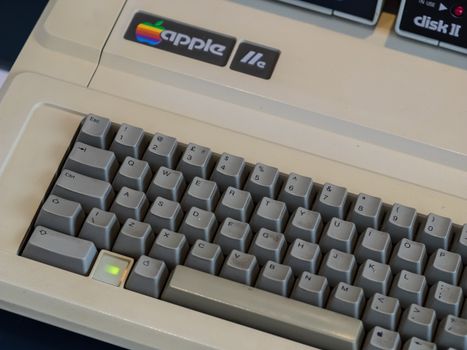 Photo: William Warby / Pexels
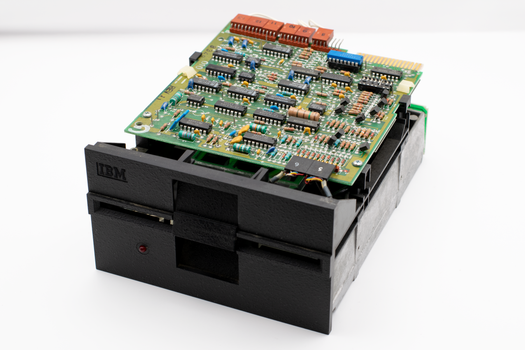 Photo: Nicolas Foster / Pexels
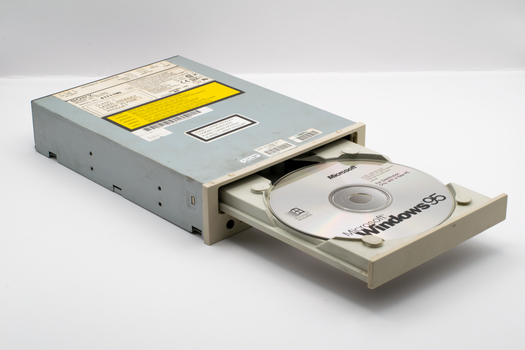 Photo: Nicolas Foster / Pexels