Compare iPhone 15 vs Samsung Galaxy S24: Ultimate Guide
compare iPhone 15 vs Samsung Galaxy S24

Compare iPhone 15 vs Samsung Galaxy S24: Ultimate Guide

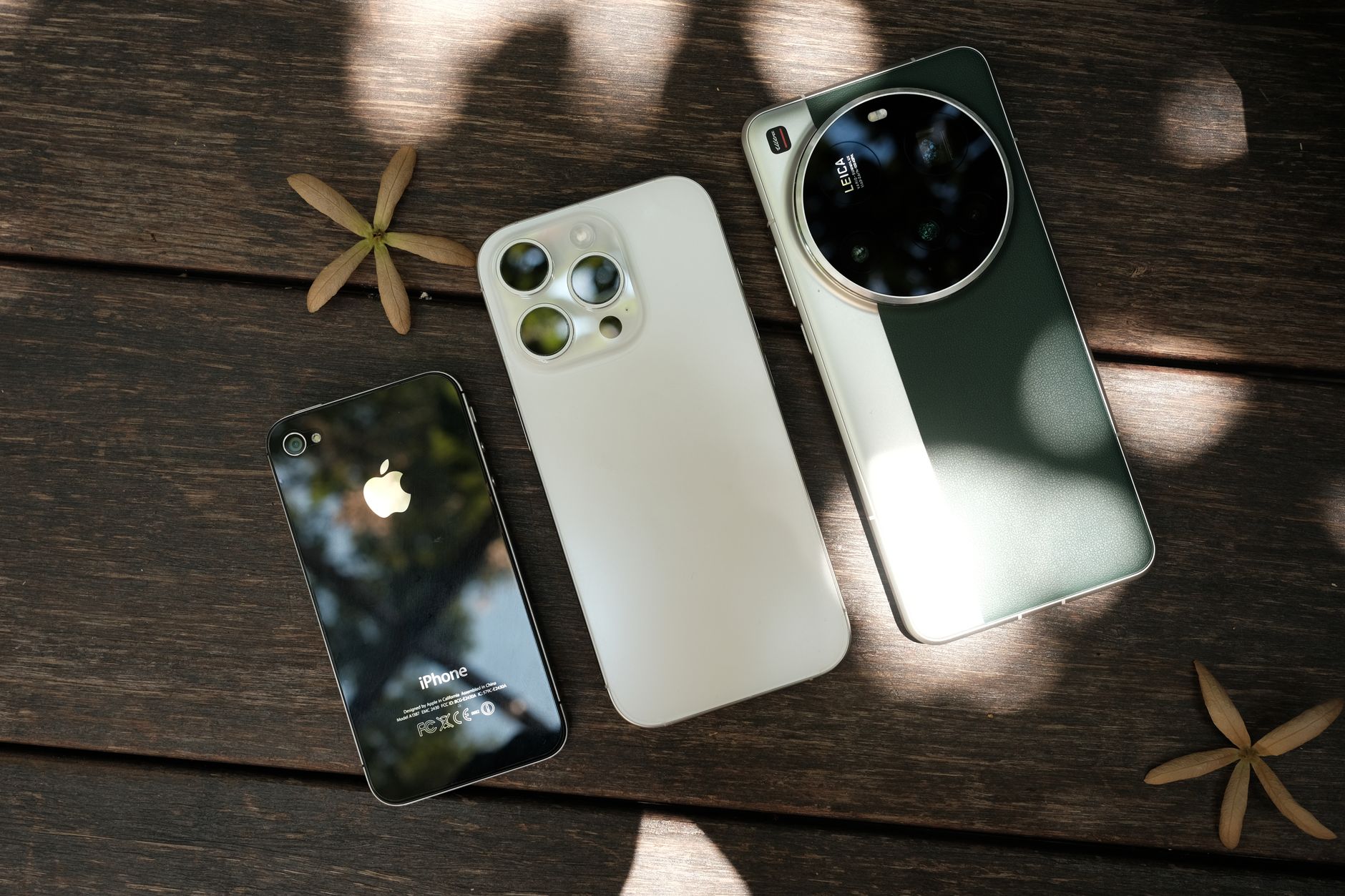
A trio of contemporary smartphones placed on a wooden table, showcasing different designs and features.Photo: Phong Thanh / Pexels

Compare iPhone 15 vs Samsung Galaxy S24: Ultimate Guide

Unravel the complexities of two flagship titans and make an informed decision for your next smartphone upgrade.

Discover Your Perfect Phone

Key Takeaways

  • ✓ The iPhone 15 features Apple's A16 Bionic chip, known for its raw processing power and efficiency.
  • ✓ The Samsung Galaxy S24 is powered by the Snapdragon 8 Gen 3 for Galaxy (or Exynos 2400 in some regions), offering advanced AI capabilities.
  • ✓ Both devices boast advanced camera systems, but approach computational photography differently.
  • ✓ The iPhone 15 operates on iOS, renowned for its intuitive interface and robust ecosystem, while the Galaxy S24 runs Android with Samsung's One UI.
  • ✓ Display technology is a major differentiator, with Samsung often leading in brightness and color vibrancy, while Apple focuses on color accuracy.

How It Works

1
Understand Your Priorities

Before diving into specs, identify what matters most to you: camera, battery life, ecosystem, gaming, or productivity. This will streamline your decision-making process.

2
Deep Dive into Key Specifications

Examine the processor, RAM, storage options, display technology, and battery capacity of both devices. These core components dictate overall performance and user experience.

3
Evaluate Software and Ecosystems

Consider the nuances of iOS versus Android, including app availability, user interface, customization options, and how each integrates with your other devices and services.

4
Assess Camera Capabilities and Features

Beyond megapixel counts, look at sensor size, aperture, optical zoom, video recording features, and computational photography enhancements. Real-world photo and video samples are invaluable.

Performance Powerhouses: Processor and RAM Deep Dive

When you compare iPhone 15 vs Samsung Galaxy S24, one of the most critical aspects to consider is the raw power under the hood. The iPhone 15, released in late 2023, comes equipped with Apple's A16 Bionic chip. This processor is a carry-over from the iPhone 14 Pro models, and it's still an absolute beast. Built on a 4nm process, the A16 Bionic features a 6-core CPU (2 performance and 4 efficiency cores) and a 5-core GPU, alongside a 16-core Neural Engine capable of 17 trillion operations per second. This architecture delivers unparalleled single-core and multi-core performance, ensuring buttery-smooth operation for everything from demanding games to complex video editing on the go. Apple's tight integration of hardware and software allows iOS to leverage the A16 Bionic's capabilities with remarkable efficiency, leading to excellent app responsiveness and seamless multitasking. The optimization is so profound that even with 'less' RAM on paper (typically 6GB for the iPhone 15), the real-world performance often matches or exceeds Android flagships with more RAM. On the other side, the Samsung Galaxy S24, launched in early 2024, is powered by either the Qualcomm Snapdragon 8 Gen 3 for Galaxy or Samsung's own Exynos 2400, depending on the region. The Snapdragon 8 Gen 3 for Galaxy is a custom-tuned version of Qualcomm's latest flagship chip, offering enhanced clock speeds and optimized performance specifically for Samsung devices. It's built on a 4nm process as well, featuring a prime Cortex-X4 core, multiple performance cores, and efficiency cores, coupled with the Adreno 750 GPU. This processor is a significant leap forward from its predecessor, focusing heavily on AI capabilities, improved gaming performance with ray tracing, and enhanced power efficiency. The Exynos 2400, for regions like Europe and parts of Asia, is Samsung's answer to Qualcomm, featuring a 10-core CPU design and the Xclipse 940 GPU, co-developed with AMD, which also brings ray tracing to the mobile platform. Both versions of the S24 typically come with 8GB or 12GB of RAM, providing ample memory for heavy multitasking and future-proofing. Samsung's One UI on top of Android is designed to take full advantage of these powerful chips, delivering a feature-rich experience that caters to power users. When it comes to benchmarks, both devices consistently rank at the top, but the A16 Bionic often maintains a slight edge in sustained CPU performance, while the Snapdragon 8 Gen 3 or Exynos 2400 might pull ahead in specific GPU or AI-centric tasks. For more insights into smartphone chipsets, check out this detailed guide on mobile processors. Ultimately, both phones offer flagship-level performance that will satisfy even the most demanding users, making this aspect less about a clear winner and more about subtle differences in optimization and architectural philosophy. Your personal preference for iOS or Android, and the specific applications you use most, might subtly influence which processor feels 'better' in daily use. The sheer processing power in both devices ensures that they are ready for anything you throw at them, from high-fidelity mobile gaming to augmented reality applications and complex productivity suites. The iPhone's strength lies in its highly optimized ecosystem, where hardware and software are designed in tandem, leading to consistent and predictable performance. Samsung, with its robust Android platform, offers more versatility and customization, allowing users to tweak their experience to a greater degree, often leveraging the raw power of the Snapdragon or Exynos chip for more intensive background processes or multi-window operations. Both companies are pushing the boundaries of mobile computing, ensuring that users have access to desktop-class performance in their pockets.

Capturing Moments: Camera Capabilities and Computational Photography

The camera system is often a deciding factor for many users when they compare iPhone 15 vs Samsung Galaxy S24. Both Apple and Samsung are at the forefront of mobile photography, but they approach image processing with distinct philosophies. The iPhone 15 features a sophisticated dual-camera system. Its main sensor is a 48MP wide-angle camera with a larger sensor and sensor-shift optical image stabilization (OIS), capable of pixel-binning to produce excellent 24MP photos by default, or full 48MP in ProRAW mode for maximum detail. This main camera offers a 2x optical quality telephoto option by cropping the 48MP sensor, giving users more versatility without needing a dedicated telephoto lens. The ultrawide camera is 12MP, providing a broader field of view for landscapes and group shots. Apple's computational photography, driven by its Photonic Engine, excels in delivering natural-looking colors, excellent dynamic range, and consistent results across various lighting conditions. Portrait mode on the iPhone 15 is highly refined, with impressive subject isolation and realistic background blur. Video recording is a major strong suit for Apple, with cinematic mode, action mode, and 4K 60fps recording across all cameras, offering industry-leading video quality and stabilization. The iPhone's strength lies in its 'point and shoot' reliability and outstanding video performance, making it a favorite among content creators and casual users alike who want consistent, high-quality results without much tweaking. In contrast, the Samsung Galaxy S24 comes with a triple-camera setup that offers more traditional optical zoom capabilities. It typically features a 50MP main sensor with OIS, a 12MP ultrawide lens, and a 10MP telephoto lens with 3x optical zoom. The higher megapixel count on the main sensor allows for greater detail, and Samsung's processing tends to produce vibrant, punchy colors that are often described as 'ready for social media.' The dedicated telephoto lens provides true optical zoom, which can be advantageous for capturing distant subjects with clarity, something the standard iPhone 15 achieves through sensor cropping. Samsung's computational photography leverages its powerful AI engine, offering features like improved Nightography for low-light shots, Single Take mode for capturing multiple formats from one press, and advanced editing tools directly within the gallery. Video recording on the S24 is also top-tier, supporting 8K 30fps recording and robust stabilization. Samsung's cameras often offer more manual control and customization options for those who like to delve deeper into photography settings. The Galaxy S24's camera system is designed to offer maximum versatility and features, catering to users who appreciate flexibility and a wide array of photographic tools. While Apple leans towards naturalism and consistency, Samsung often aims for impact and a broader feature set. The choice here often comes down to personal aesthetic preference: do you prefer Apple's true-to-life color science and superior video, or Samsung's vibrant, feature-rich stills and dedicated optical zoom? Both are exceptional, but their outputs have distinct characteristics. For a deeper dive into smartphone camera tech, consider reading this overview of smartphone camera innovations. The advancements in both devices mean that professional-grade photography is increasingly accessible to the everyday user, blurring the lines between dedicated cameras and smartphones.

Ecosystem Experience: iOS vs. Android with One UI

The operating system is arguably the most fundamental differentiator when you compare iPhone 15 vs Samsung Galaxy S24. This isn't just about the interface; it's about the entire ecosystem, how you interact with your device, and how it integrates with other tech in your life. The iPhone 15 runs on Apple's iOS, a platform renowned for its simplicity, intuitiveness, and robust security. iOS offers a highly polished user experience with a consistent design language across all applications. Its strengths lie in its tight integration with Apple's hardware, resulting in exceptional performance optimization and seamless connectivity with other Apple devices like AirPods, Apple Watch, and MacBooks through features like Handoff, AirDrop, and Universal Clipboard. The App Store is meticulously curated, ensuring a high standard of app quality and security, though it can be more restrictive in terms of customization and side-loading. Privacy is a cornerstone of Apple's philosophy, with strong user controls over data sharing and tracking. Regular, timely software updates are a hallmark of iOS, ensuring that even older devices receive new features and security patches for many years. For users already invested in the Apple ecosystem, the iPhone 15 offers an unparalleled level of coherence and ease of use, making the transition between devices virtually effortless. The learning curve for new users is minimal, and the overall experience is designed to be streamlined and efficient, focusing on user privacy and a premium feel. The Dynamic Island, while a software feature, integrates seamlessly into the iOS experience, transforming the notch area into a dynamic information hub for alerts, activities, and notifications, showcasing Apple's innovative approach to user interface design. This level of thoughtful integration is what many users find appealing about the Apple ecosystem, providing a sense of cohesion and reliability that is hard to match. The Samsung Galaxy S24, on the other hand, runs Android, specifically with Samsung's One UI overlay. Android offers unparalleled flexibility and customization options, allowing users to personalize nearly every aspect of their device, from launchers and icon packs to widgets and notification settings. Samsung's One UI enhances the core Android experience with a multitude of features, including advanced multitasking capabilities (like enhanced split-screen and pop-up views), DeX mode for a desktop-like experience, and a comprehensive suite of Samsung-specific apps and services. The Google Play Store offers a vast array of applications, often with more freedom for developers and users, including the ability to side-load apps from outside the official store. While Android updates can sometimes be fragmented across manufacturers and models, Samsung has made significant strides in providing extended software support, promising seven years of OS upgrades and security updates for the Galaxy S24 series, matching Apple's long-term commitment. The Galaxy S24's AI features, powered by 'Galaxy AI,' are deeply integrated into the One UI, offering functionalities like Live Translate for calls, Generative Edit for photos, and Circle to Search for instant information retrieval. These AI capabilities represent a significant leap forward in smartphone intelligence, offering practical tools that enhance productivity and communication. For users who value choice, customization, and cutting-edge AI features, the Galaxy S24 with One UI provides a rich and adaptable experience. The open nature of Android also allows for greater integration with a wider range of third-party accessories and services, catering to a diverse set of user needs. The decision between iOS and Android often boils down to personal preference for interface, ecosystem lock-in, and the degree of customization desired. Both offer powerful, mature operating systems, but their philosophies and user experiences are distinct. For those looking to understand the broader impact of mobile OS choices, exploring articles on the evolution of smartphone operating systems can provide valuable context.

Making Your Choice: Key Considerations and Tips

Choosing between the iPhone 15 and the Samsung Galaxy S24 is a significant decision, and it often comes down to more than just raw specifications. Here are some key considerations and tips to help you make an informed choice: * **Ecosystem Commitment:** If you're deeply entrenched in the Apple ecosystem with other devices like an iPad, MacBook, or Apple Watch, the iPhone 15 offers a seamless and integrated experience that is hard to beat. The continuity features across Apple devices are a major draw. Conversely, if you use a variety of non-Apple gadgets or prefer Google's services extensively, the Galaxy S24's Android platform might offer better compatibility and flexibility. * **User Interface Preference:** Do you prefer the straightforward, intuitive, and consistent interface of iOS, or do you enjoy the extensive customization options and feature-rich environment of Samsung's One UI on Android? Spend some time interacting with both operating systems in person if possible to see which feels more natural to you. * **Camera Priorities:** While both phones have exceptional cameras, their output differs. The iPhone 15 excels in natural color reproduction and unparalleled video quality, making it a favorite for videographers and those who prefer a 'true-to-life' look. The Galaxy S24, with its dedicated telephoto lens and vibrant processing, might appeal more to photographers who want punchy colors and more zoom versatility, especially for stills. * **AI Features:** The Galaxy S24 heavily emphasizes its 'Galaxy AI' features, offering innovative tools like real-time translation, generative photo editing, and advanced search capabilities. If these cutting-edge AI functionalities are appealing and will genuinely enhance your daily workflow, the S24 presents a compelling argument. The iPhone 15, while having strong on-device AI capabilities, doesn't market them as prominently or integrate them in the same user-facing way. * **Display Preferences:** Samsung has a long-standing reputation for its stunning AMOLED displays, often pushing boundaries in brightness, color vibrancy, and refresh rates. While the iPhone 15's Super Retina XDR display is fantastic, Samsung often offers a slightly more immersive visual experience for media consumption, sometimes with higher peak brightness. If display quality is paramount for your viewing habits, a side-by-side comparison is recommended. * **Battery Life:** Both phones offer excellent, all-day battery life for typical usage. However, specific usage patterns can highlight differences. Review detailed battery tests from independent sources that match your typical usage to get a realistic expectation. * **Gaming and Performance:** Both phones are absolute powerhouses for gaming and demanding applications. The iPhone 15's A16 Bionic chip often shows superior sustained performance in benchmarks, while the S24's Snapdragon 8 Gen 3 (or Exynos 2400) excels in specific graphic-intensive tasks and AI processing. For the average user, both will provide a lag-free experience. Hardcore mobile gamers might find subtle differences worth exploring. * **Long-Term Support and Resale Value:** Apple is known for its long-term software support and excellent resale value. Samsung has significantly stepped up its game with the S24, promising seven years of updates, which closes the gap considerably. Consider how long you plan to keep your device and its potential trade-in value. Ultimately, there's no single 'best' phone. The ideal choice depends on your individual needs, preferences, and how you plan to integrate the device into your digital life. Trying both devices in a store, if possible, can provide invaluable hands-on experience that specs sheets can't convey. Consider what truly matters for your day-to-day use and let that guide your decision.

Comparison

FeatureiPhone 15Samsung Galaxy S24
ProcessorA16 BionicSnapdragon 8 Gen 3 for Galaxy / Exynos 2400
Display Technology6.1" Super Retina XDR OLED6.2" Dynamic AMOLED 2X
Main Camera48MP (ƒ/1.6) with OIS50MP (ƒ/1.8) with OIS
Telephoto Camera2x optical quality (via main sensor crop)10MP (ƒ/2.4) 3x optical zoom
Operating SystemiOSAndroid 14 with One UI 6.1
Software Updates5-6+ years typical7 years (OS & security)
Charging PortUSB-CUSB-C
AI FeaturesOn-device processing, SiriGalaxy AI (Live Translate, Generative Edit, Circle to Search)
Build MaterialsAerospace-grade aluminum, Color-infused glass backArmor Aluminum, Gorilla Glass Victus 2
Starting Storage128GB128GB

What Our Readers Say

5 ★★★★★

"I was torn between the iPhone 15 and Galaxy S24, but after reading up, I went with the S24 for its camera zoom. The 3x optical zoom is genuinely useful for my travel photos, and the AI editing features are surprisingly good. Very happy with my choice!"

5 ★★★★★

"As an existing Apple user, the iPhone 15 was an easy upgrade. The A16 Bionic is incredibly fast, and the integration with my MacBook and Apple Watch is flawless. The new USB-C port is also a welcome change, simplifying my charging setup."

5 ★★★★★

"I switched from an older iPhone to the Galaxy S24, mainly for the customization. One UI is fantastic, and the ability to tweak everything from widgets to icon packs has made my phone feel truly personal. The display is also unbelievably vibrant."

4 ★★★★☆

"The iPhone 15 is a solid phone, but I wish Apple would offer more innovation in terms of display refresh rates on the base model. The camera is great, and iOS is reliable, but sometimes I feel like I'm missing out on some of the cutting-edge features seen on Android."

5 ★★★★★

"My husband has the iPhone 15, and I have the Galaxy S24. We often compare photos, and while his iPhone handles video better, my S24's photos often have more pop and the AI tools are genuinely helpful for quick edits before sharing. Both are excellent, just different flavors!"

Frequently Asked Questions

Which phone has better battery life, iPhone 15 or Samsung Galaxy S24?
Both the iPhone 15 and Samsung Galaxy S24 offer excellent all-day battery life for most users. In many independent tests, the iPhone 15 often shows slightly better endurance in video playback and web browsing, attributed to Apple's highly optimized A16 Bionic chip and iOS. However, the Galaxy S24's larger battery capacity and efficient Snapdragon 8 Gen 3 / Exynos 2400 chip also deliver impressive results, especially with Samsung's software optimizations. Your actual experience will depend heavily on your specific usage patterns.
Is the iPhone 15 camera better than the Samsung Galaxy S24 camera?
Neither camera is definitively 'better'; they offer different strengths. The iPhone 15 excels in video recording quality, color accuracy, and consistent point-and-shoot reliability, producing very natural-looking images. The Samsung Galaxy S24, with its dedicated 3x optical zoom lens and vibrant processing, often produces punchier, more 'social media-ready' photos and offers greater versatility for zooming. If video is a priority, the iPhone 15 might have an edge; for stills and zoom flexibility, the S24 is very compelling.
How do I transfer data from my old phone to an iPhone 15 or Galaxy S24?
For iPhone 15, you can use Apple's 'Quick Start' feature (for iOS to iOS), iCloud backup, or a PC/Mac for iTunes backup. For Android to iOS, Apple provides the 'Move to iOS' app. For Galaxy S24, Samsung's 'Smart Switch' app is highly effective for transferring data from both Android and iOS devices. Google Drive backup is also an option for Android to Android transfers. Both methods are generally straightforward and guide you through the process.
Which phone offers better value for money?
The value proposition depends on your priorities. The iPhone 15 offers a highly refined user experience, industry-leading video, and excellent long-term software support with strong resale value. The Samsung Galaxy S24 offers more customization, a versatile camera system with dedicated optical zoom, advanced AI features, and now matches Apple's 7-year software update promise. Both are premium devices, and their value is subjective to what features you prioritize and your existing ecosystem.
What are the main differences between iOS and Android on these phones?
The main differences lie in their ecosystems, customization, and user interfaces. iOS on the iPhone 15 is known for its simplicity, consistency, strong privacy features, and seamless integration with other Apple devices. Android with Samsung's One UI on the Galaxy S24 offers unparalleled customization, greater openness for file management, advanced multitasking, and a wider range of hardware compatibility, alongside Samsung's unique AI features. Your choice depends on whether you prefer a curated, integrated experience (iOS) or a flexible, customizable one (Android).
Who should choose the iPhone 15?
The iPhone 15 is ideal for users already invested in the Apple ecosystem, those who prioritize ease of use, strong privacy, industry-leading video capabilities, and consistent, reliable performance. It's also a great choice for users who prefer a simpler, more intuitive interface and don't require extensive customization.
Is the iPhone 15 or Galaxy S24 more durable?
Both phones feature premium, durable materials. The iPhone 15 uses aerospace-grade aluminum and a color-infused glass back, with Apple's Ceramic Shield front cover, offering excellent drop protection. The Galaxy S24 features Armor Aluminum and Gorilla Glass Victus 2 on both front and back. Both have IP68 water and dust resistance. Real-world durability often comes down to individual accidents, but both are built to a very high standard.
What are the future trends for these smartphone lines?
Future trends for both lines point towards continued advancements in AI integration, particularly generative AI for content creation and productivity. Expect further camera enhancements through computational photography, more efficient processors for extended battery life, and potential innovations in display technology (e.g., under-display cameras). Both Apple and Samsung are also likely to focus on sustainability and improved repairability in their upcoming models.

Choosing between the iPhone 15 and Samsung Galaxy S24 is a personal journey that depends on your unique needs and preferences. By understanding their core strengths and nuances, you can confidently select the smartphone that best enhances your digital life and empowers you daily. Make an informed decision and enjoy your new device to the fullest!

Topics: compare iPhone 15 vs Samsung Galaxy S24iPhone 15 featuresSamsung S24 specsbest smartphone 2024iOS vs Android comparison
Leo List
Brampton weed
Adultwork