
Buy Smartwatches with Blood Oxygen Monitor for Better Health
Unlock vital health insights with a smartwatch featuring accurate blood oxygen saturation (SpO2) monitoring.
Shop Now & Track Your HealthKey Takeaways
- ✓ Blood oxygen saturation (SpO2) measures the percentage of hemoglobin carrying oxygen.
- ✓ Normal SpO2 levels typically range from 95% to 100% for healthy individuals.
- ✓ Smartwatches use photoplethysmography (PPG) sensors to estimate SpO2 levels.
- ✓ SpO2 monitoring can help detect potential respiratory issues or sleep disturbances.
- ✓ While convenient, smartwatch SpO2 readings are not medical devices and should not replace professional medical advice.
How It Works
When activated, the smartwatch emits red and infrared light onto the skin, typically on the wrist. These light wavelengths are absorbed differently by oxygenated and deoxygenated blood.
A photodetector on the watch measures the amount of light reflected back from the blood vessels. The difference in light absorption indicates the ratio of oxygenated to deoxygenated hemoglobin.
Sophisticated algorithms within the smartwatch process this light absorption data. They convert the raw measurements into a percentage representing your blood oxygen saturation (SpO2) level.
Your SpO2 reading is then displayed on the smartwatch screen and recorded in its companion app. This allows for historical tracking, trend analysis, and insights into your respiratory well-being over time.
Understanding Blood Oxygen Monitoring in Smartwatches
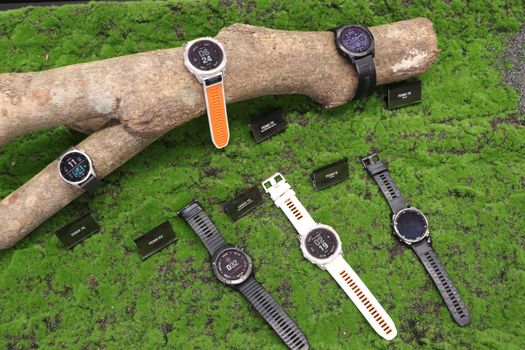 Photo: Thinh Pham / Pexels
Key Features to Consider When You Buy Smartwatches with Blood Oxygen Monitor
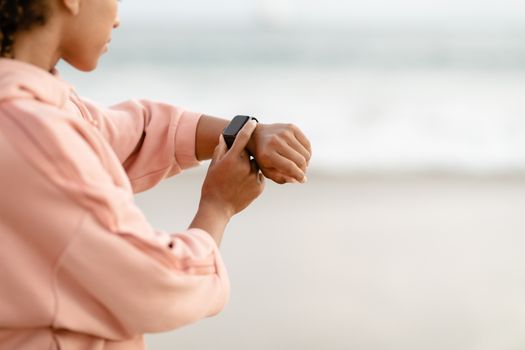 Photo: Ketut Subiyanto / Pexels
Maximizing the Benefits of Your SpO2 Smartwatch
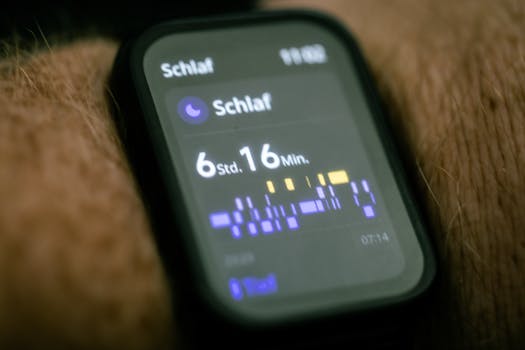 Photo: Patrick / Pexels
Common Mistakes to Avoid and Tips for Accurate SpO2 Monitoring
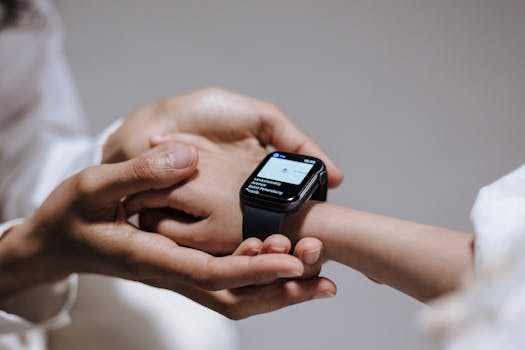 Photo: Ron Lach / Pexels
Comparison
| Feature | Apple Watch Series 9 | Samsung Galaxy Watch 6 | Garmin Venu 3 | Fitbit Sense 2 |
|---|---|---|---|---|
| SpO2 Monitoring | ✓ (On-demand & Background) | ✓ (On-demand & Sleep) | ✓ (On-demand & Sleep) | ✓ (On-demand & Sleep) |
| ECG Feature | ✓ | ✓ | ✗ | ✓ |
| GPS | ✓ | ✓ | ✓ | ✓ (Connected GPS for some activities) |
| Battery Life (Typical Use) | 18 hours | 30 hours | 14 days | 6+ days |
| Price Range (USD) | $399+ | $299+ | $449+ | $249+ |
| Operating System | watchOS | Wear OS | Garmin OS | Fitbit OS |
| Compatibility | iOS | Android | iOS & Android | iOS & Android |
What Readers Say
"I decided to buy smartwatches with blood oxygen monitor after feeling fatigued. My new watch helped me identify irregular SpO2 patterns during sleep, prompting me to see a doctor. It's been incredibly insightful for my health."
Sarah J. · Austin, TX"As an avid hiker, monitoring my blood oxygen levels at altitude is crucial. My smartwatch with SpO2 has been reliable and provides peace of mind on trails, helping me manage exertion effectively."
Mark D. · Denver, CO"I bought a smartwatch with blood oxygen monitor to track my overall wellness. The continuous monitoring has given me a much clearer picture of my sleep health and recovery, leading to improved energy levels."
Jessica L. · Miami, FL"The SpO2 feature on my new smartwatch is generally accurate, though I've noticed slight variations compared to a medical device. It's fantastic for trending and daily awareness, but I still consult my doctor for clinical concerns."
Robert S. · Chicago, IL"For someone who prioritizes data-driven health, the decision to buy smartwatches with blood oxygen monitor was a no-brainer. It integrates seamlessly with my other health metrics, offering a holistic view of my well-being throughout the day and night."
Emily R. · Seattle, WAFrequently Asked Questions
How accurate are smartwatch blood oxygen monitors compared to medical devices?
Smartwatch blood oxygen monitors are designed for general wellness and fitness purposes, providing estimations rather than medical-grade diagnostics. While many brands strive for high accuracy, they are not regulated as medical devices and should not replace clinical pulse oximeters or professional medical advice. Factors like skin tone, movement, and proper fit can influence readings, so always consult a healthcare provider for any health concerns.
Can I rely on my smartwatch's SpO2 readings to diagnose a medical condition?
No, you should not rely on your smartwatch's SpO2 readings to diagnose any medical condition. Smartwatches are not medical devices and their data is intended for informational and wellness tracking purposes only. If you have concerns about your blood oxygen levels or any other health metric, always consult with a qualified healthcare professional for proper diagnosis and treatment.
How do I ensure I get the most accurate SpO2 reading from my smartwatch?
To get the most accurate SpO2 reading, ensure your smartwatch is worn snugly but comfortably on your wrist, about a finger's width above your wrist bone. Stay still and avoid talking during the measurement. Make sure the sensor area on the back of the watch is clean and free of dirt or sweat. Avoid taking readings over tattoos or scars, as these can interfere with the sensor's light signals.
Are smartwatches with blood oxygen monitors worth the extra cost?
The value of a smartwatch with a blood oxygen monitor depends on your individual needs and health goals. For those interested in comprehensive wellness tracking, monitoring sleep quality, or assessing their body's response to exercise or altitude, the added SpO2 feature can be very valuable. While they often come at a slightly higher price point, the insights they provide can be a worthwhile investment in understanding your health better.
What's the difference between continuous SpO2 monitoring and on-demand readings?
On-demand SpO2 readings are initiated manually by the user, providing a snapshot of blood oxygen levels at that specific moment. Continuous SpO2 monitoring, typically performed during sleep, automatically takes readings at regular intervals throughout the night. This provides a more comprehensive overview of your SpO2 trends, helping to identify potential nocturnal breathing irregularities, but it often consumes more battery power.
Who should consider buying a smartwatch with a blood oxygen monitor?
Anyone interested in a more holistic view of their health and wellness can benefit. This includes athletes wanting to track performance at altitude, individuals concerned about sleep quality and potential sleep apnea, those managing respiratory conditions (with doctor consultation), or simply people who want to monitor a key vital sign as part of their general health awareness. It's a great tool for proactive health management.
Can skin tone affect the accuracy of SpO2 readings on smartwatches?
Yes, some studies and reports indicate that skin tone can potentially affect the accuracy of SpO2 readings from optical sensors, including those found in smartwatches. Darker skin tones may sometimes lead to slightly less accurate or more variable readings due to the way light interacts with melanin. While manufacturers are continuously improving algorithms, it's a factor to be aware of, and consistent monitoring to establish your personal baseline is recommended.
What future advancements can we expect in smartwatch blood oxygen monitoring?
Future advancements in smartwatch blood oxygen monitoring are likely to focus on enhanced accuracy, more sophisticated algorithms to account for individual variations, and tighter integration with other health metrics for predictive insights. We might see improved sensor technology, longer battery life for continuous tracking, and potentially even regulatory approvals for certain medical-grade features, bridging the gap between wellness tracking and clinical monitoring.
Ready to take control of your health data? Don't wait to gain valuable insights into your respiratory well-being. Explore our curated selection and buy smartwatches with blood oxygen monitor features today to empower your journey towards a healthier you.