✓ The global smart home market is projected to reach over $182 billion by 2028.
✓ Compatibility is crucial: ensure devices work together or with your existing ecosystem.
✓ Security features vary widely; prioritize devices with robust encryption and privacy controls.
✓ Online retailers often offer better selections and competitive pricing compared to brick-and-mortar stores.
How It Works
1
Define Your Needs & Budget
Identify which aspects of your home you want to automate (e.g., lighting, security, climate). Set a realistic budget to guide your choices and prevent overspending.
2
Research Compatibility & Ecosystems
Determine if you prefer a single-brand ecosystem (e.g., Apple HomeKit, Amazon Alexa, Google Home) or a mix of devices. Verify that new purchases will integrate seamlessly with your chosen platform or existing devices.
3
Compare Features, Reviews & Retailers
Read product specifications, user reviews, and expert analyses. Compare prices and return policies across reputable online stores to find the best value and support.
4
Secure Your Purchase & Setup
Use secure payment methods and be wary of unofficial sellers. Once received, follow manufacturer instructions for installation and prioritize setting up strong passwords and security protocols.
Navigating the Digital Marketplace for Smart Home Technology
Photo: Nataliya Vaitkevich / Pexels
The dream of a truly connected home, where every device works in harmony to simplify your life, is no longer a futuristic fantasy. It's a tangible reality, and the easiest way to access this future is to buy smart home devices online. The digital marketplace offers an unparalleled selection, competitive pricing, and the convenience of shopping from anywhere. However, with this vast ocean of options comes the need for careful navigation. Understanding the landscape of online retailers, recognizing reputable brands, and sifting through countless product specifications can feel overwhelming. This section aims to demystify the process, empowering you to make informed decisions when investing in smart home technology.
When you decide to buy smart home devices online, you're entering a world where innovation meets convenience. From smart lighting that adjusts to your mood, to thermostats that learn your preferences, to security cameras that offer peace of mind, the possibilities are endless. Major online retailers like Amazon, Best Buy, and Walmart offer extensive smart home sections, often with detailed product descriptions, customer reviews, and comparison tools. Niche tech sites and direct-to-consumer brand websites also provide specialized products and sometimes exclusive deals. The key is to leverage these resources effectively. Start by identifying your core needs. Are you looking for enhanced security, greater energy efficiency, or just a touch of futuristic convenience? This initial self-assessment will narrow down your search considerably. For example, if security is paramount, you'll focus on smart locks, video doorbells, and surveillance systems. If energy savings are your goal, smart thermostats and smart plugs will be high on your list. Remember to check for compatibility with existing smart home ecosystems you might already have or plan to build. This foresight prevents frustrating integration issues down the line. By taking a structured approach, the seemingly complex task of equipping your home with smart technology becomes an exciting journey of discovery, leading to a more comfortable, efficient, and secure living space.
Ensuring Compatibility and Ecosystem Integration
Photo: Andrey Matveev / Pexels
One of the most critical considerations when you buy smart home devices online is ensuring compatibility. The smart home market is a diverse ecosystem, with various platforms and communication protocols vying for dominance. Imagine purchasing a cutting-edge smart thermostat only to find it doesn't 'speak' the same language as your smart lights or voice assistant. This can lead to a fragmented experience, negating the very purpose of a smart home – seamless integration. The major players in the smart home ecosystem include Amazon Alexa, Google Home, Apple HomeKit, and Samsung SmartThings. Each offers its own hub, app, and a curated list of compatible devices. Before making any purchase, determine which ecosystem, if any, you already lean towards or which aligns best with your existing devices and preferences. For instance, if you're an iPhone user, HomeKit might offer the most intuitive experience, while Android users might gravitate towards Google Home. Alexa, with its vast third-party integrations, often provides the broadest compatibility.
Beyond brand ecosystems, understanding communication protocols is also vital. Devices communicate using various technologies like Wi-Fi, Bluetooth, Zigbee, and Z-Wave. While Wi-Fi and Bluetooth are common, Zigbee and Z-Wave are specifically designed for low-power, mesh networking in smart homes, often requiring a dedicated hub. Many devices now offer dual-band Wi-Fi or bridge capabilities, but it's always best to confirm. Look for labels like 'Works with Alexa,' 'Google Assistant Built-in,' or 'HomeKit Compatible' on product pages. These certifications guarantee a level of integration and ease of setup. If a device doesn't explicitly state compatibility with your chosen ecosystem, proceed with caution. Some independent devices might offer their own app control but won't integrate into a larger smart home routine or voice command system, limiting their utility. Taking the time to research and verify compatibility will save you significant headaches and ensure that every new device you buy smart home devices online truly enhances your connected living experience, rather than creating isolated islands of technology.
Prioritizing Security and Privacy Features When Shopping
Photo: Andrey Matveev / Pexels
In our increasingly connected world, the security and privacy of our smart home devices are paramount. When you buy smart home devices online, you're not just purchasing convenience; you're also potentially inviting new vulnerabilities into your home network. Therefore, scrutinizing the security and privacy features of any device should be a top priority. A smart home system collects a significant amount of data, from your daily routines and energy consumption to video feeds and audio recordings. Ensuring this data is protected from unauthorized access is not just about preventing external threats, but also about understanding how the manufacturer uses and shares your personal information.
Look for devices that offer robust encryption protocols for data transmission, both locally and to cloud services. Two-factor authentication (2FA) for app access is a non-negotiable feature for any smart device that connects to your home network, especially those with access to sensitive information like security cameras or smart locks. Reputable brands will clearly outline their privacy policies, detailing what data they collect, why they collect it, and how it's stored and protected. Be wary of generic brands or those with vague privacy statements. Firmware updates are another critical security aspect; ensure the manufacturer has a history of providing regular updates to patch vulnerabilities and improve device performance. A device that receives no updates is a ticking security time bomb. Additionally, consider devices with local processing capabilities where possible, minimizing the amount of data sent to the cloud. For instance, some smart cameras offer local storage options via an SD card, reducing reliance on cloud-based services. By diligently researching and prioritizing these security and privacy features when you automate your home, you can enjoy the benefits of smart living with greater peace of mind, knowing your personal data and home network are well-protected against potential threats.
Tips for Smart Shopping and Avoiding Common Pitfalls
Photo: Ivan S / Pexels
When you decide to buy smart home devices online, the sheer volume of choices can be both exciting and daunting. To ensure a smooth and satisfying experience, it's crucial to adopt smart shopping habits and be aware of common pitfalls. Here are some invaluable tips:
* **Read Reviews, Critically:** Don't just look at the star rating. Dive into the detailed comments, focusing on common complaints, ease of setup, long-term reliability, and customer support experiences. Look for reviews that mention compatibility with specific ecosystems you use.
* **Understand Return Policies:** Before clicking 'buy,' always check the retailer's and manufacturer's return policies. Smart home devices can sometimes be tricky to set up, or might not meet expectations. A generous return window can save you a lot of hassle.
* **Beware of 'Too Good to Be True' Deals:** While online shopping offers great deals, be cautious of prices significantly lower than competitors. This could indicate counterfeit products, grey market imports with no warranty, or devices from unreliable sellers.
* **Verify Seller Authenticity:** Especially on marketplaces, ensure you're buying from the official brand store or a highly-rated, authorized reseller. Unofficial sellers might offer limited support or refurbished products without proper disclosure.
* **Don't Overlook Power Requirements:** Some smart devices require specific wiring (e.g., smart thermostats needing a C-wire), while others are battery-powered. Verify these requirements match your home's setup to avoid installation issues.
* **Start Small and Expand:** If you're new to smart homes, don't try to automate everything at once. Start with a few key devices (e.g., smart lights, a smart speaker) and gradually expand as you get comfortable with the technology and understand your needs better.
* **Check for Subscription Fees:** Many smart home devices, especially security cameras or advanced features, come with optional or mandatory subscription plans for cloud storage, advanced analytics, or additional features. Factor these ongoing costs into your budget.
By following these tips, you can navigate the online marketplace for smart home devices with confidence, ensuring your purchases are well-researched, secure, and truly enhance your living space.
Comparison
Feature
Smart Thermostat (Ecobee)
Smart Lighting (Philips Hue)
Smart Speaker (Amazon Echo)
Primary Function
Climate Control & Energy Saving
Ambiance & Home Security
Voice Control & Information
Ecosystem Compatibility
Alexa, Google, HomeKit, SmartThings
Alexa, Google, HomeKit, SmartThings
Alexa (native), limited others
Connectivity
Wi-Fi (2.4GHz)
Zigbee (via Bridge), Bluetooth
Wi-Fi (2.4/5GHz), Bluetooth
Subscription Required
✓ (optional for some features)
✗
✗ (optional for music services)
Installation Difficulty
Moderate (wiring involved)
Easy (screw in bulb)
Very Easy (plug and play)
What Readers Say
★★★★★
"I was hesitant to buy smart home devices online, but this guide made it so easy. I got a great deal on a smart thermostat and it integrated perfectly with my Alexa. My energy bills are already lower!"
Sarah J. · Austin, TX
★★★★★
"Finding compatible devices was my biggest concern. This article helped me understand ecosystems, and now my smart lights, plugs, and security camera all work together seamlessly. Highly recommend doing your research before you buy smart home devices online."
David L. · Seattle, WA
★★★★★
"I followed the advice on checking return policies and it paid off. One device wasn't quite right for my setup, but the return process was smooth, and I quickly found a perfect replacement. Now my whole home feels connected."
Maria P. · Miami, FL
★★★★★
"The tips on security and privacy were a real eye-opener. I ended up choosing a brand with better encryption, even if it cost a little more. It's good to know my data is protected when I buy smart home devices online."
Mark T. · Denver, CO
★★★★★
"As a first-time smart home buyer, I appreciated the advice to start small. I bought smart bulbs and a smart speaker, and I'm already seeing how much easier my life is. Ready to expand my system thanks to this guide!"
Jessica R. · Chicago, IL
Frequently Asked Questions
What are the most essential smart home devices to start with?
For beginners, smart speakers (like Amazon Echo or Google Home), smart lighting, and smart plugs are excellent starting points. They offer immediate convenience and allow you to gradually explore the benefits of smart home technology without a major initial investment. These devices provide a good foundation upon which to build a more complex system as your needs evolve.
Is it safe to buy smart home devices online from lesser-known brands?
While major brands often offer more robust support and security, it's not inherently unsafe to buy from lesser-known brands, but caution is advised. Always research the brand's reputation, read extensive user reviews, and scrutinize their privacy policy and security features. Prioritize brands that offer clear warranty information and responsive customer service to mitigate potential risks.
How do I ensure my smart home devices are compatible with each other?
The best way to ensure compatibility is to choose a primary smart home ecosystem (e.g., Alexa, Google Home, HomeKit) and then look for devices explicitly labeled 'Works with' or 'Compatible with' that ecosystem. You can also opt for devices that support open standards like Matter, which aims to improve cross-platform compatibility. Consolidating around one or two major platforms simplifies integration.
Are smart home devices expensive to maintain or require subscriptions?
The cost of smart home devices varies widely, but many basic functionalities are subscription-free. However, some advanced features, especially for security cameras (cloud storage, AI detection) or home monitoring services, may require monthly or annual subscriptions. Always check the product details for any recurring fees before you buy smart home devices online to avoid unexpected costs.
How do smart home devices compare to traditional home appliances in terms of energy efficiency?
Smart home devices often offer significant advantages in energy efficiency compared to traditional appliances. Smart thermostats can learn your habits and optimize heating/cooling, smart lighting can be scheduled or dimmed, and smart plugs can turn off 'vampire' energy drain from devices. This intelligent control can lead to noticeable savings on your utility bills over time, making them a worthwhile investment.
Who should consider investing in smart home technology?
Anyone looking to enhance convenience, improve home security, increase energy efficiency, or gain greater control over their living environment should consider smart home technology. It's particularly beneficial for busy individuals, those concerned about home safety, people with mobility challenges, or anyone who enjoys leveraging technology to simplify daily tasks and create a more comfortable, responsive home.
What are the biggest security risks with smart home devices and how can I mitigate them?
The biggest security risks include unauthorized access to your network, data breaches, and privacy violations. Mitigate these by using strong, unique passwords for all devices and Wi-Fi, enabling two-factor authentication, keeping device firmware updated, using a reputable VPN, and carefully reviewing privacy policies. Isolate smart devices on a separate guest network if possible to enhance security.
What are the future trends in smart home technology?
Future trends include greater interoperability through standards like Matter, more advanced AI-driven personalization (e.g., predictive maintenance, proactive automation), enhanced privacy features, and increased integration with health and wellness monitoring. We can also expect more sustainable, energy-harvesting devices and a stronger focus on robust cybersecurity measures to combat evolving threats.
Ready to transform your living space into an intelligent, responsive, and secure haven? Utilize the insights from this guide to confidently buy smart home devices online. Start building your personalized smart home ecosystem today and step into the future of connected living.

 Photo: Nataliya Vaitkevich / Pexels
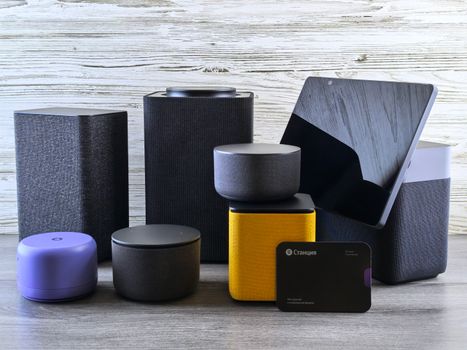 Photo: Andrey Matveev / Pexels
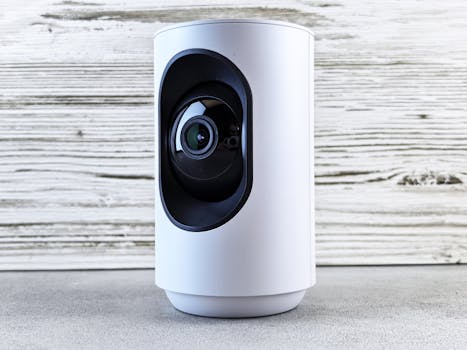 Photo: Andrey Matveev / Pexels
 Photo: Ivan S / Pexels