Best VPN Services for Privacy: Your Ultimate Guide
best VPN services for privacy

Best VPN Services for Privacy: Your Ultimate Guide

Safeguard your digital life with top-tier VPNs designed for maximum privacy and security in an increasingly connected world.

Find Your Privacy VPN Now

Key Takeaways

  • ✓ A VPN encrypts your internet traffic, making it unreadable to third parties.
  • ✓ No-logs policies are crucial for privacy-focused VPNs, ensuring your activities aren't recorded.
  • ✓ Jurisdiction matters: VPNs based in privacy-friendly countries are often safer.
  • ✓ Advanced features like kill switches and DNS leak protection are essential for robust privacy.

How It Works

1
Choose and Subscribe

Select a reputable VPN provider from our recommended list that aligns with your privacy needs. Complete the subscription process and create your account.

2
Install the App

Download and install the VPN application on your devices (computer, phone, tablet). Most providers offer intuitive apps for various operating systems.

3
Connect to a Server

Launch the VPN app and log in with your credentials. Choose a server location from the list provided by your VPN and click 'Connect'.

4
Browse Securely

Once connected, your internet traffic is encrypted and routed through the VPN server. Enjoy enhanced privacy, security, and access to geo-restricted content.

Understanding the Need for Online Anonymity and Data Protection

Close-up of a smartphone showing a safe icon held in a hand, symbolizing digital security. Photo: Andrey Matveev / Pexels
In today's interconnected world, the concept of online privacy has become increasingly elusive. From government surveillance to aggressive data collection by tech giants and malicious actors, our digital footprints are constantly being tracked, analyzed, and often exploited. Every website you visit, every search query you make, and every online purchase you complete leaves a trail that can be used to build a comprehensive profile of your habits, preferences, and even your identity. This pervasive data collection isn't just about targeted advertising; it can have far-reaching implications for your personal security, financial well-being, and even your fundamental rights. Without adequate protection, your Internet Service Provider (ISP) can see every unencrypted website you visit, and public Wi-Fi networks are notorious for being hotspots for data theft. This is where the importance of a Virtual Private Network (VPN) becomes paramount. A VPN acts as a secure tunnel for your internet traffic, encrypting your data and routing it through an intermediary server. This process not only hides your real IP address, making it difficult to track your location and identity, but also scrambles your data, rendering it unreadable to anyone who might intercept it. For anyone serious about safeguarding their personal information and asserting their right to digital privacy, understanding and utilizing the best VPN services for privacy is no longer a luxury but a fundamental necessity. We delve deep into why these services are indispensable for maintaining your digital freedom and how they combat the growing threats to our personal data. The sheer volume of data breaches and identity theft incidents reported annually underscores the urgent need for proactive measures. Your online activity, if left exposed, can be used for anything from targeted phishing attacks to more sophisticated forms of cybercrime. A robust VPN solution provides a crucial layer of defense, ensuring that your sensitive information remains confidential and your browsing habits stay private. Furthermore, in regions with strict internet censorship or surveillance, a VPN can be the only way to access unbiased information and communicate freely. The digital landscape is constantly evolving, with new threats emerging regularly. Therefore, staying informed about the latest privacy tools and practices is vital. This guide aims to equip you with the knowledge to make informed decisions about your online security.

Key Features Defining a Top-Tier Privacy-Focused VPN
A series of red padlocks attached to a stone wall, symbolizing security and love. Photo: Diana ✨ / Pexels
Not all VPNs are created equal, especially when privacy is your primary concern. Many providers offer a VPN service, but only a select few truly prioritize user anonymity and data protection above all else. When evaluating the best VPN services for privacy, several critical features stand out as non-negotiables. First and foremost is a stringent no-logs policy. This means the VPN provider explicitly states and demonstrably proves that they do not record, collect, or store any data related to your online activities, IP address, connection timestamps, or bandwidth usage. A truly privacy-focused VPN should ideally undergo independent audits of its no-logs policy to verify these claims, providing an extra layer of trust. Without a strict no-logs policy, the very purpose of using a VPN for privacy is undermined, as your data could potentially be accessed or handed over to authorities. Next, the jurisdiction of the VPN provider is incredibly important. Countries with strong privacy laws and no data retention mandates are preferable, as they are less likely to compel VPN companies to surrender user data. Avoid VPNs based in countries that are part of intelligence-sharing alliances like the Five, Nine, or Fourteen Eyes. Robust encryption standards are another cornerstone of a privacy VPN. Look for VPNs that utilize AES-256 encryption, which is considered military-grade and virtually uncrackable. Coupled with strong encryption, secure VPN protocols such as OpenVPN, WireGuard, and IKEv2/IPsec are essential. These protocols offer a balance of speed and security, crucial for maintaining both privacy and a usable internet experience. An automatic kill switch is a vital security feature that ensures your real IP address is never exposed, even if your VPN connection unexpectedly drops. This feature automatically disconnects your device from the internet if the VPN tunnel fails, preventing any unencrypted data from leaking. Similarly, DNS leak protection prevents your DNS requests from being routed outside the encrypted VPN tunnel, which could otherwise reveal your browsing activity to your ISP. Other valuable features include split tunneling, which allows you to choose which apps or websites use the VPN and which access the internet directly, and obfuscated servers, designed to hide the fact that you're using a VPN at all, particularly useful in highly restrictive environments. Ultimately, a premium privacy VPN combines these features to create an impenetrable shield around your online identity, making it one of the most effective tools for digital self-defense.

Top Contenders: A Deep Dive into the Best VPN Services for Privacy
Detailed image of illuminated server racks showcasing modern technology infrastructure. Photo: panumas nikhomkhai / Pexels
Navigating the crowded VPN market to find services truly committed to privacy can be daunting. After extensive research and analysis, we've identified several top contenders that consistently deliver on their promise of robust privacy protection. Each of these providers excels in different areas, but all share a fundamental commitment to user anonymity. **ExpressVPN** consistently ranks high due to its audited no-logs policy, based in the British Virgin Islands (a privacy-friendly jurisdiction), and its use of the Lightway protocol, which offers excellent speed and security. Their TrustedServer technology ensures that all servers run on RAM-only memory, wiping all data with every reboot, further enhancing privacy. ExpressVPN offers a wide network of servers across 94 countries, making it versatile for both privacy and geo-unblocking. It includes a reliable kill switch and DNS leak protection across all its applications, which are user-friendly and available on a broad range of devices. While it might be on the pricier side, the premium features and unwavering commitment to privacy justify the cost for many users. **NordVPN** is another industry giant known for its strong privacy features. Headquartered in Panama, a country with no mandatory data retention laws, NordVPN boasts a strict, independently audited no-logs policy. It offers specialized servers like Double VPN, which routes your traffic through two VPN servers for enhanced encryption, and Obfuscated Servers, designed to bypass VPN blocks. Their NordLynx protocol, built around WireGuard, provides impressive speeds without compromising security. NordVPN also includes a robust kill switch, DNS leak protection, and Threat Protection, which blocks ads, trackers, and malicious websites. Their extensive server network and competitive pricing make it a popular choice for privacy-conscious users. **Surfshark** stands out for its unlimited simultaneous connections, making it an excellent value for households or individuals with many devices. Based in the Netherlands, it maintains a strict no-logs policy that has been independently audited. Surfshark offers AES-256-GCM encryption, WireGuard, OpenVPN, and IKEv2 protocols, ensuring top-tier security. Features like CleanWeb (ad, tracker, and malware blocker), a reliable kill switch, and NoBorders mode (for bypassing censorship) make it a comprehensive privacy solution. Its affordable pricing model, especially for longer subscriptions, makes premium privacy accessible to a wider audience. **Proton VPN** is developed by the same team behind ProtonMail, a highly secure email service, giving it a strong privacy pedigree. Based in Switzerland, known for its strict privacy laws, Proton VPN offers an independently audited no-logs policy and utilizes Secure Core servers, which route user traffic through privacy-friendly countries like Switzerland and Iceland before connecting to the target server, adding an extra layer of protection against sophisticated attacks. It supports OpenVPN, WireGuard, and IKEv2, and includes advanced features like NetShield (ad-blocker), a kill switch, and DNS leak protection. Proton VPN also offers a robust free tier, albeit with limitations, making it a great option for users new to VPNs or those with basic privacy needs. **Private Internet Access (PIA)** is a long-standing VPN provider with a strong commitment to privacy, operating under a strict no-logs policy that has been proven in court multiple times. Based in the US, which might be a concern for some, PIA counters this with transparent practices and a focus on open-source software. It offers a massive server network, allowing for excellent speeds and reliability. PIA provides highly customizable security settings, including various encryption levels and protocols, a kill switch, and MACE (an ad, tracker, and malware blocker). Its affordability and strong privacy features make it a compelling option for users who prioritize control and transparency. Each of these services offers a unique blend of features, pricing, and server networks, but all share a foundational commitment to user privacy, making them the best VPN services for privacy available today. Choosing the right one will depend on your specific needs, budget, and desired level of technical control. Always review their latest audit reports and privacy policies before making a final decision.

Advanced Tips and Common Mistakes to Avoid for Maximum Privacy
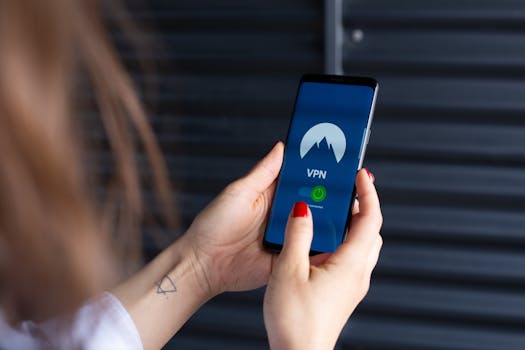
Close-up of a woman's hands using a VPN app on a smartphone, emphasizing digital security. Photo: Stefan Coders / Pexels
Simply subscribing to a VPN isn't enough to guarantee absolute privacy; it's how you use it and what other precautions you take that truly fortify your digital defenses. Here are some advanced tips and common mistakes to avoid when aiming for maximum privacy with your VPN: **Advanced Tips for Enhanced Privacy:** * **Always use the Kill Switch:** Ensure your VPN's kill switch feature is enabled. This prevents accidental data leaks if your VPN connection drops unexpectedly, safeguarding your real IP address and unencrypted traffic. * **Verify DNS Leak Protection:** Periodically test your VPN for DNS leaks. Websites like dnsleaktest.com can help you confirm that your DNS requests are being handled by the VPN and not your ISP. * **Combine with Tor Browser (Carefully):** For extreme anonymity, route your VPN connection through the Tor network. Connect to your VPN first, then launch Tor Browser. This adds another layer of obfuscation, making it virtually impossible to trace your activity. However, be aware that this significantly slows down your connection. * **Use Obfuscated Servers:** If your VPN offers them, utilize obfuscated servers. These are designed to hide the fact that you're using a VPN, which is crucial in countries with strict internet censorship or VPN blocking. * **Regularly Update VPN Software:** Keep your VPN client software up to date. Updates often include security patches and performance improvements that are vital for maintaining robust privacy. * **Strong Passwords and Two-Factor Authentication (2FA):** Protect your VPN account itself with a strong, unique password and enable 2FA if available. Even the best VPN can be compromised if your account credentials are stolen. * **Review VPN Security Audits:** Before committing to a VPN, look for independent security audits of their no-logs policy and infrastructure. Transparency from the provider builds trust. **Common Mistakes to Avoid:** * **Relying on Free VPNs for Privacy:** Most free VPNs come with significant compromises, such as logging your data, injecting ads, or even selling your bandwidth. For true privacy, a paid, reputable service is essential. * **Ignoring the Kill Switch:** Forgetting to enable the kill switch leaves you vulnerable to IP leaks if your VPN connection becomes unstable. * **Not Checking for Leaks:** Assuming your VPN is working perfectly without verifying for IP, DNS, or WebRTC leaks can lead to false security. * **Using Outdated Protocols:** Sticking to older, less secure protocols (like PPTP) when more robust options (OpenVPN, WireGuard) are available can compromise your encryption. * **Disabling VPN for Convenience:** While tempting for speed, disabling your VPN for certain tasks or websites defeats its purpose and exposes your activities. * **Choosing a VPN Based Solely on Price:** While budget is a factor, prioritizing the cheapest option often means sacrificing crucial privacy features and robust security. * **Not Reading the Privacy Policy:** Always take the time to read and understand a VPN's privacy policy. If anything seems ambiguous or concerning, look elsewhere. By implementing these advanced tips and consciously avoiding common pitfalls, you can significantly enhance your online privacy and get the most out of the best VPN services for privacy.

Comparison

FeatureExpressVPNNordVPNSurfshark
No-Logs PolicyAuditedAuditedAudited
JurisdictionBVIPanamaNetherlands
EncryptionAES-256AES-256AES-256
ProtocolsLightway, OpenVPN, IKEv2NordLynx, OpenVPN, IKEv2WireGuard, OpenVPN, IKEv2
Kill Switch
DNS Leak Protection
Simultaneous Connections810Unlimited
Price (approx. monthly)$6.67$3.29$2.49

What Readers Say

"I've been using ExpressVPN for over a year now, and it's fantastic for privacy. I feel much safer browsing online, especially on public Wi-Fi. The speeds are consistently fast, and their no-logs policy gives me real peace of mind."

Sarah J. · Austin, TX

"NordVPN has transformed my online experience. Knowing my data is encrypted and my IP is hidden is invaluable. Their Double VPN feature is a huge plus for anyone serious about privacy. Highly recommend for data protection."

Mark D. · Seattle, WA

"Surfshark is incredible value. I can protect all my devices and my family's devices with one subscription, and the privacy features are top-notch. I've noticed a significant reduction in targeted ads since I started using it."

Emily R. · Boston, MA

"Proton VPN offers solid privacy features, and their Secure Core servers are a big draw for me. While the speeds can sometimes vary, the commitment to anonymity from the Proton team is unmatched. A strong choice for those prioritizing security."

David L. · Denver, CO

"As a remote worker, online security is paramount. PIA has been my go-to for years. Their vast server network ensures I always have a fast connection, and their open-source approach to privacy is something I truly trust. It's one of the best VPN services for privacy out there."

Jessica M. · Miami, FL

Frequently Asked Questions

What makes a VPN 'best for privacy' compared to a regular VPN?

A VPN considered 'best for privacy' goes beyond basic encryption. It features a strict, independently audited no-logs policy, operates from a privacy-friendly jurisdiction, utilizes advanced security protocols like WireGuard or OpenVPN, and includes essential features like a kill switch and DNS leak protection. These elements ensure maximum anonymity and data protection.

Will using a VPN slow down my internet connection?

Yes, a VPN can introduce some latency and reduce speeds due to the encryption process and routing traffic through an external server. However, the best VPN services for privacy use optimized servers and efficient protocols (like WireGuard) to minimize this impact, often making the speed difference negligible for most users.

How do I know if my VPN is actually protecting my privacy?

To verify your VPN's privacy protection, you can perform several checks. Use online tools to test for IP, DNS, and WebRTC leaks (e.g., dnsleaktest.com, ipleak.net). Ensure your VPN's kill switch is active. Most importantly, choose a VPN with a proven track record, transparent policies, and independent security audits.

Are the best VPN services for privacy expensive?

While premium privacy VPNs typically involve a subscription fee, they offer excellent value for the enhanced security and anonymity they provide. Many offer competitive pricing, especially for longer subscription terms, and come with money-back guarantees. Free VPNs often come with significant privacy trade-offs, making paid options a better investment for true privacy.

How do VPNs compare to proxies for privacy?

VPNs offer a far superior privacy solution compared to proxies. While a proxy hides your IP address, it typically only encrypts traffic for a specific application or browser and offers no encryption for your entire device's traffic. VPNs, on the other hand, encrypt all your internet traffic at the operating system level, providing comprehensive security and anonymity across all applications.

Who should prioritize using the best VPN services for privacy?

Anyone concerned about their digital footprint, data security, and online anonymity should prioritize using a privacy-focused VPN. This includes individuals who frequently use public Wi-Fi, journalists, activists, remote workers, those living in regions with censorship, or anyone who simply believes in their right to private internet access.

Is it safe to use a VPN for banking or sensitive transactions?

Yes, using a reputable VPN can actually enhance the safety of banking and sensitive transactions by encrypting your data, protecting it from interception, especially on public networks. However, always ensure your VPN has a strong no-logs policy and reliable encryption, and avoid free or unverified services for such critical activities.

What are the future trends in VPN technology for privacy?

Future trends in VPN technology for privacy include increased adoption of next-generation protocols like WireGuard for speed and efficiency, further development of obfuscation techniques to bypass detection, greater transparency through independent audits, and integration with other privacy tools like encrypted email and cloud storage. Expect more focus on user-friendly interfaces and multi-hop features.

Embrace true digital freedom and safeguard your personal information with the best VPN services for privacy. Don't leave your online activities exposed – choose a top-tier provider today and take control of your digital life. Your privacy is worth protecting.

Topics: best VPN services for privacysecure VPNonline anonymitydata protection VPNprivacy tools
Leo List
Brampton weed
Adultwork