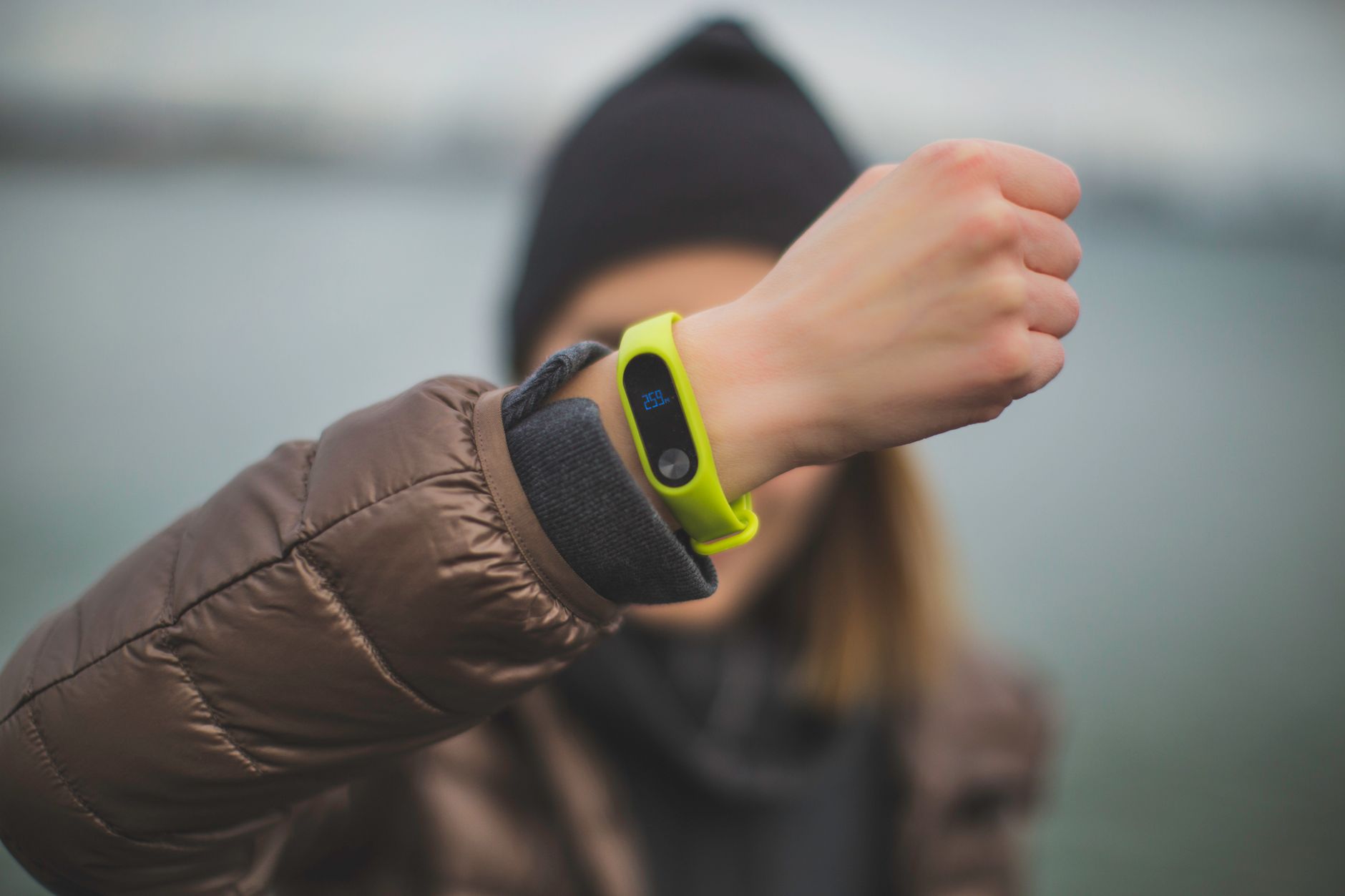
Unleash Your Potential: Best Smartwatches for Fitness Tracking
Find the perfect wearable to optimize your workouts, monitor your health, and crush your fitness aspirations.
Explore Top PicksKey Takeaways
- ✓ Smartwatches offer comprehensive fitness tracking beyond basic step counting, including heart rate, sleep, and GPS.
- ✓ Accuracy of sensors (HRM, GPS, accelerometers) is crucial for reliable fitness data.
- ✓ Battery life varies significantly, from a few days to several weeks, depending on usage and model.
- ✓ Ecosystem compatibility (iOS vs. Android) and app support are vital for a seamless user experience.
How It Works
Research and choose a smartwatch that aligns with your fitness goals, preferred activities, and budget. Consider factors like battery life, sensor accuracy, and ecosystem compatibility.
Once you have your smartwatch, set up your personal profile, including age, weight, and activity levels. Define your fitness goals, whether it's step count, calorie burn, or specific workout targets.
Wear your smartwatch consistently during daily activities and workouts to gather comprehensive data. Sync it regularly with its companion app to review your progress and insights.
Utilize the data provided by your smartwatch to understand your body's responses to exercise and sleep. Adjust your training, recovery, and lifestyle habits based on these insights to continually improve.
Understanding the Evolution of Wearable Fitness Tech
 Photo: Torsten Dettlaff / Pexels
Key Features to Look for in Fitness Smartwatches
 Photo: www.kaboompics.com / Pexels
Top Contenders for the Best Smartwatches for Fitness Tracking
 Photo: Anastasiya Badun / Pexels
Maximizing Your Fitness Journey: Tips and Common Mistakes
Photo: www.kaboompics.com / Pexels
Comparison
| Feature | Apple Watch Ultra 2 | Garmin Fenix 7 Pro | Samsung Galaxy Watch 6 |
|---|---|---|---|
| Target User | iPhone users, outdoor/extreme athletes | Serious athletes, adventurers | Android users, general wellness |
| Battery Life (GPS mode) | Up to 12 hours | Up to 73 hours | Up to 8 hours |
| GPS Accuracy | Excellent (Dual-frequency) | Superior (Multi-band) | Good |
| Advanced Health Sensors | ECG, SpO2, Temp | ECG, SpO2, Body Battery | ECG, SpO2, Body Composition |
| Water Resistance | 100m (Dive computer) | 10 ATM | 5 ATM |
| App Ecosystem | Vast (Apple App Store) | Garmin Connect, IQ Store | Wear OS (Google Play) |
| Price Range (MSRP) | $799 | $799-$899 | $299-$329 |
What Readers Say
"My Apple Watch Ultra 2 has completely transformed my running. The GPS is spot-on, and the detailed recovery metrics mean I'm training smarter, not just harder. It's truly one of the best smartwatches for fitness tracking I've ever owned."
Sarah J. · Austin, TX"As an avid hiker, the Garmin Fenix 7 Pro is indispensable. The battery life is incredible, lasting through multi-day trips, and the navigation features are a lifesaver. It handles everything the mountains throw at it with ease."
Mark D. · Denver, CO"The Samsung Galaxy Watch 6 has been fantastic for my daily fitness and overall health. I love the body composition analysis and the sleep tracking is surprisingly accurate, helping me make tangible improvements to my routine."
Emily R. · Chicago, IL"I chose a Fitbit Sense 2 for its focus on stress management and sleep, and it hasn't disappointed. While I wish it had more robust smart features like some others, its health insights are incredibly valuable for my wellness goals."
David L. · Miami, FL"Coming from a basic fitness band, my new Garmin Forerunner 965 feels like a professional coach on my wrist. The training readiness score and advanced running dynamics have pushed my performance to new levels. Highly recommend for serious runners."
Jessica M. · Seattle, WAFrequently Asked Questions
What is the most accurate smartwatch for heart rate tracking?
While no optical heart rate monitor is 100% perfect, devices like the Apple Watch Series (especially Ultra models) and many Garmin Fenix/Forerunner watches consistently rank high for accuracy. They employ advanced algorithms and high-quality sensors to provide reliable data, even during intense workouts. For medical-grade accuracy, an ECG feature is a significant advantage.
Will a smartwatch really help me lose weight?
A smartwatch is a powerful tool for weight loss, but it's not a magic bullet. It provides data on your activity levels, calorie burn, and sleep, which are crucial components of weight management. By making you more aware of your habits and allowing you to set and track goals, it can significantly aid in creating a calorie deficit and fostering a healthier lifestyle, leading to weight loss over time.
How do I ensure my smartwatch's fitness data is accurate?
To ensure accuracy, wear your smartwatch correctly – snug but comfortable, typically above the wrist bone. Keep the sensors clean. Calibrate GPS for outdoor activities if your device offers it, and regularly update its firmware. Also, input your accurate personal details (age, weight, height) into the companion app, as these are used in many calculations.
Are expensive smartwatches always better for fitness tracking?
Not necessarily. While premium smartwatches often offer more advanced sensors (ECG, SpO2), longer battery life, and specialized features (e.g., dive computers, multi-band GPS), excellent fitness tracking can be found in mid-range devices. Your 'best' option depends on your specific fitness needs and budget. A more affordable model might be perfectly adequate for general health and basic workout tracking.
How do smartwatches compare to dedicated fitness trackers?
Smartwatches generally offer a broader range of features, combining comprehensive fitness tracking with smartphone functionalities like notifications, calls, and mobile payments. Dedicated fitness trackers often excel in battery life and a more minimalist design, focusing solely on health metrics. Smartwatches are more versatile, while trackers might be preferred for simplicity and extended wear time.
Who should invest in the best smartwatches for fitness tracking?
Anyone looking to gain deeper insights into their health, optimize their workouts, or stay motivated on their fitness journey should consider investing. This includes casual exercisers wanting to track steps and sleep, serious athletes aiming for performance gains, and individuals focused on holistic health monitoring, especially those with health conditions that benefit from continuous tracking.
Can smartwatches detect serious health conditions?
Many modern smartwatches feature advanced health sensors like ECG (electrocardiogram) and SpO2 (blood oxygen saturation) that can detect signs of conditions like atrial fibrillation or low blood oxygen. However, smartwatches are not medical devices and should not be used for diagnosis. They can provide valuable data to share with your doctor, but professional medical advice should always be sought for health concerns.
What's the future of smartwatches for fitness tracking?
The future promises even more sophisticated biometric sensors, potentially including non-invasive blood glucose monitoring and blood pressure readings. Expect enhanced AI-driven personalized coaching, predictive health analytics to anticipate potential issues, and deeper integration with virtual reality/augmented reality for immersive fitness experiences. Wearables will become even more integral to preventative health and personalized wellness.
Ready to take control of your health and fitness journey? Explore the best smartwatches for fitness tracking today and find the perfect companion to motivate you, track your progress, and help you achieve your wellness goals. Your ideal fitness partner is just a click away.