The Best Smart Home Devices for Security in 2024
best smart home devices for security

The Best Smart Home Devices for Security in 2024

Transform your home into a fortress with cutting-edge smart security technology for ultimate peace of mind.

Secure Your Home Now

Key Takeaways

  • ✓ Integrated smart home security systems offer comprehensive protection beyond traditional alarms.
  • ✓ DIY smart security solutions are becoming increasingly user-friendly and effective.
  • ✓ Privacy and data security are paramount considerations when choosing smart devices.
  • ✓ Many smart devices offer remote monitoring and control, enhancing convenience and responsiveness.

How It Works

1
Assess Your Needs

Identify vulnerable areas of your home and determine what level of security and automation you require. Consider entry points, valuable assets, and daily routines.

2
Select Core Devices

Choose essential components like a central hub, smart cameras, door/window sensors, and smart locks. Ensure compatibility and integration capabilities.

3
Install and Configure

Follow manufacturer instructions for installation, which is often straightforward for DIY systems. Connect devices to your home network and configure settings via a mobile app.

4
Monitor and Maintain

Utilize your smartphone app to monitor activity, receive alerts, and control devices remotely. Regularly check for software updates and device functionality to ensure optimal performance.

Understanding Comprehensive Smart Home Security Systems
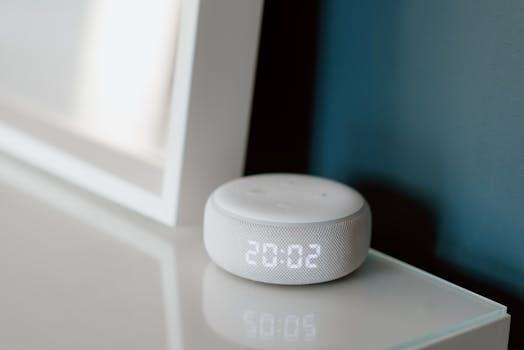
Close-up of a smart speaker with an illuminated 20:02 LED clock display on a desk. Photo: Anete Lusina / Pexels
In an increasingly connected world, protecting your home goes beyond traditional locks and alarm systems. The best smart home devices for security offer a multifaceted approach, integrating various technologies to create a robust and responsive defense perimeter. A truly comprehensive smart home security system isn't just about deterring intruders; it's about providing real-time awareness, remote control, and proactive threat detection. At its core, these systems typically revolve around a central hub or controller that communicates with an array of interconnected devices. This hub acts as the brain, processing data from sensors, cameras, and locks, and allowing you to manage everything from a single interface, usually a smartphone app. When we talk about comprehensive security, we're looking at a layered defense strategy. This often begins with perimeter security, including smart door and window sensors that detect forced entry, and smart locks that offer keyless access and remote control. Beyond the entry points, outdoor smart cameras with motion detection and night vision can monitor your property's exterior, sending immediate alerts if suspicious activity is detected. Inside the home, indoor cameras provide surveillance, while motion sensors and glass break detectors add another layer of protection. Crucially, these systems are designed to be proactive. Instead of just reacting to an event, many smart security devices can anticipate potential issues, such as a smart smoke detector that not only alerts you to fire but can also trigger smart lights to illuminate escape routes or unlock doors for emergency services. The integration of these components means that an event detected by one device can trigger actions across the entire system, creating an intelligent and unified response. For example, if a door sensor is tripped while you're away, the system can automatically record video, sound an alarm, and send notifications to your phone and even to professional monitoring services if subscribed. This level of interconnectedness is what truly distinguishes modern smart home security from older, standalone systems. Understanding these foundational elements is the first step towards building an impenetrable smart home. For more insights into broader home automation, check out our guide on smart home automation essentials.

Essential Smart Devices for Exterior Home Protection
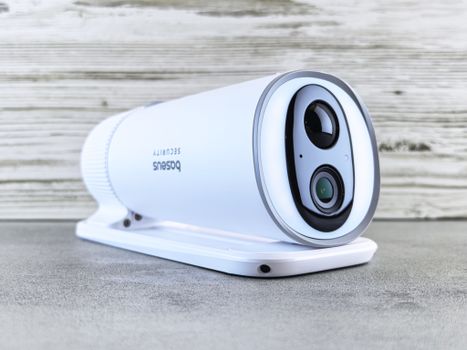
A sleek white security camera with a modern design on a gray surface indoors. Photo: Andrey Matveev / Pexels
Securing the perimeter of your home is the first line of defense, and several smart devices excel in this crucial role. Outdoor smart cameras are arguably the most vital component for exterior protection. These devices have evolved significantly, offering features like 4K resolution, advanced motion detection that can differentiate between people, animals, and vehicles, and robust night vision capabilities, often utilizing infrared or even color night vision. Many come with two-way audio, allowing you to speak to visitors or deter potential intruders remotely. Some also integrate spotlights or sirens that can be activated automatically upon detection of unwanted guests, adding a strong deterrent. Brands like Arlo, Ring, and Google Nest offer excellent options with varying features and subscription models for cloud storage. Smart video doorbells are another indispensable tool for exterior security. They serve as both a camera and an intercom, allowing you to see and speak to whoever is at your door, whether you're home or away. Their motion detection capabilities alert you to activity even before someone rings the bell, providing valuable early warning. Many video doorbells also integrate with smart locks, allowing you to grant access remotely for deliveries or trusted visitors. Beyond cameras and doorbells, smart floodlights with integrated cameras offer powerful illumination and surveillance, making dark areas around your home less appealing to intruders. These devices often combine bright LED lights with motion-activated recording and siren functionality. Furthermore, smart garage door openers can be integrated into your security system, allowing you to remotely check and control your garage door, ensuring it's always closed when it should be. The ability to receive notifications if the garage door is left open, or to close it with a tap on your phone, adds a significant layer of security to one of the most common entry points for burglars. By strategically deploying these exterior smart devices, you create a formidable barrier that deters crime and provides constant vigilance over your property.

Interior Smart Home Security: Monitoring and Access Control
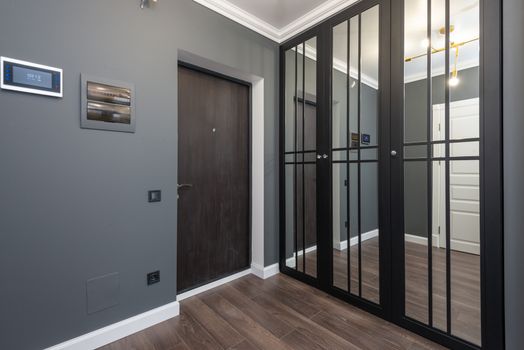
Interior of corridor of modern apartment with wooden doors and parquet floor and mirrored wardrobe Photo: Max Vakhtbovych / Pexels
Once the exterior is secured, attention turns to the interior, where smart devices provide critical monitoring and sophisticated access control. Indoor smart cameras offer a range of functionalities, from simple monitoring of pets and children to advanced features like facial recognition and person detection. Many indoor cameras come with pan and tilt capabilities, allowing you to remotely adjust their field of view. Two-way audio is also common, enabling communication with family members or even scaring off an intruder. Privacy features, such as privacy shutters or the ability to turn off recording when you're home, are important considerations for interior cameras. Brands like Wyze, Eufy, and Amazon Blink offer cost-effective and feature-rich indoor camera solutions. Smart door and window sensors are fundamental for interior security, detecting when an entry point is opened or breached. These small, discreet devices are easy to install and provide instant alerts to your smartphone. Complementing these are smart motion sensors, which detect movement within a room, and glass break sensors, which listen for the specific sound of breaking glass. These sensors can be configured to trigger alarms, activate cameras, or turn on lights, creating a dynamic response to potential threats. Perhaps one of the most impactful interior security devices is the smart lock. Moving beyond traditional deadbolts, smart locks offer keyless entry via keypads, fingerprints, or smartphone apps. They allow you to grant temporary access to guests or service providers, revoke access instantly, and receive notifications whenever the door is locked or unlocked. Some advanced smart locks integrate with video doorbells, allowing for a seamless experience of seeing who's at the door and unlocking it from your phone. Devices from August, Schlage, and Yale are leaders in this category, offering robust security and convenient access management. These interior devices, when integrated with a central hub, create an intelligent network that keeps a watchful eye on every corner of your home, allowing for peace of mind whether you're at work, on vacation, or simply in another room. For further exploration of connected living, consider our article on integrating smart devices for a seamless experience.

Choosing and Implementing Your Smart Security System: Tips and Common Mistakes
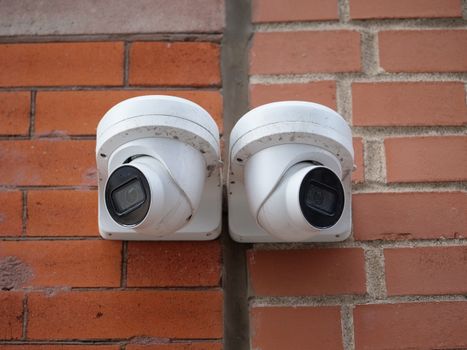
Two white dome security cameras mounted on a brick wall for urban surveillance. Photo: Giant Asparagus / Pexels
Selecting and installing the best smart home devices for security requires careful consideration to ensure optimal protection and avoid common pitfalls. Here are some essential tips and mistakes to steer clear of: **Tips for Success:** * **Prioritize Compatibility and Ecosystem:** Opt for devices that work well together, ideally within the same brand ecosystem or those that support common smart home platforms like Apple HomeKit, Google Home, or Amazon Alexa. This ensures seamless integration and easier management. * **Start Small and Expand:** You don't need to secure your entire home at once. Begin with core devices like a video doorbell and a few sensors, then gradually add more cameras, locks, and other components as your needs evolve and budget allows. * **Consider Professional Monitoring:** While DIY systems offer great flexibility, professional monitoring services can provide an added layer of security, ensuring that emergency services are dispatched even if you're unreachable or unable to respond to alerts. * **Test Your System Regularly:** Periodically test your sensors, cameras, and alarms to ensure they are functioning correctly. This includes checking battery levels and connectivity. * **Secure Your Wi-Fi Network:** A strong, secure Wi-Fi network is the backbone of your smart home security. Use a strong, unique password, enable WPA3 encryption if available, and keep your router's firmware updated. **Common Mistakes to Avoid:** * **Ignoring Privacy Settings:** Many smart devices collect data. Review privacy policies and configure settings to your comfort level, especially for cameras and voice assistants. * **Overlooking Internet Bandwidth:** High-resolution video streaming from multiple cameras can consume significant bandwidth. Ensure your internet plan can handle the load to avoid lag and dropped connections. * **Placing Sensors Incorrectly:** Improper placement of motion sensors or door/window sensors can create blind spots or trigger false alarms. Read placement guidelines carefully. * **Forgetting Firmware Updates:** Manufacturers frequently release firmware updates to patch security vulnerabilities and add new features. Neglecting these updates can leave your system exposed. * **Underestimating Battery Life:** Battery-powered devices are convenient but require regular checking and replacement. Integrate battery checks into your routine to avoid unexpected downtime. By following these guidelines, you can build a highly effective and reliable smart home security system that truly enhances your peace of mind.

Comparison

FeatureArlo Pro 4 Spotlight CameraRing Video Doorbell Pro 2August Wi-Fi Smart Lock
TypeOutdoor CameraVideo DoorbellSmart Lock
Resolution2K HDR1536p HD+N/A
Power SourceRechargeable BatteryHardwiredRechargeable Battery
Two-Way AudioN/A
Motion DetectionAdvanced Object Detection3D Motion Detection, Bird's Eye ViewN/A
Night VisionColor Night VisionColor Night VisionN/A
IntegrationGoogle, Alexa, HomeKit (via hub)Google, AlexaGoogle, Alexa, HomeKit
Professional MonitoringOptional SubscriptionOptional SubscriptionN/A
InstallationDIY (Wireless)DIY (Hardwired)DIY (Replaces thumbturn)

What Readers Say

"Installing the Arlo Pro 4 cameras around my property has been a game-changer. The clarity is incredible, even at night, and the motion alerts are spot on. I feel so much safer knowing I can check on my home from anywhere."

Sarah J. · Austin, TX

"The Ring Video Doorbell Pro 2 is one of the best smart home devices for security I've ever bought. The 3D motion detection is fantastic, and I love being able to talk to delivery drivers when I'm not home. It's truly a must-have."

Mark D. · Seattle, WA

"Our August Wi-Fi Smart Lock has simplified our lives and boosted our security. Giving temporary access codes to dog walkers and cleaners without worrying about keys is incredibly convenient. Plus, I get notifications every time the door is locked or unlocked, giving me peace of mind."

Emily R. · Miami, FL

"I've slowly been building my smart home security system, and while the initial setup had a few glitches, the overall performance of my Nest cameras and sensors is excellent. The integration with my Google Home hub makes everything feel connected and easy to manage, though I wish some features weren't locked behind a subscription."

David L. · Denver, CO

"As a single mom, security is my top priority. My Wyze cameras and sensors give me affordable, reliable monitoring, and the app is super user-friendly. Knowing I can check on my kids and home anytime, anywhere, is invaluable. These are truly the best smart home devices for security on a budget."

Jessica M. · Chicago, IL

Frequently Asked Questions

What are the most crucial smart home devices for security?

The most crucial smart home devices for security typically include a smart video doorbell, outdoor and indoor smart cameras, smart door/window sensors, and a central hub for integration. Smart locks are also highly recommended for enhanced access control and peace of mind. These core components create a robust defense system.

Are smart home security systems truly secure against hackers?

Reputable smart home security systems are designed with multiple layers of encryption and security protocols to protect against hacking. However, security also depends on user practices, such as using strong, unique passwords, enabling two-factor authentication, and keeping device firmware updated. No system is 100% impenetrable, but major brands invest heavily in cybersecurity.

How do I install smart home security devices myself?

Most modern smart home security devices are designed for DIY installation. Generally, you'll download the manufacturer's app, connect the device to your home Wi-Fi network, and follow the on-screen instructions for mounting and configuration. Wireless devices are typically easier to install than hardwired ones. Always refer to the specific product manual for detailed steps.

What is the typical cost of setting up the best smart home devices for security?

The cost can vary widely depending on the brand, number of devices, and features. A basic DIY setup with a video doorbell and a few sensors might start from $200-$400. A more comprehensive system with multiple cameras, smart locks, and a central hub could range from $500 to over $1500, not including optional professional monitoring subscriptions, which add a monthly fee.

How do smart home security systems compare to traditional alarm systems?

Smart home security systems offer greater flexibility, remote control, and integration with other smart home devices compared to traditional alarm systems. They provide real-time video, two-way audio, and often allow for self-monitoring without a monthly fee. Traditional systems typically rely on professional monitoring and have fewer interactive features, though they can be very reliable.

Who should consider investing in the best smart home devices for security?

Anyone looking to enhance their home's safety and gain greater control over their property should consider investing. This includes homeowners, renters, individuals with valuable assets, those frequently away from home, and families wanting to monitor children or pets. It's particularly beneficial for those who appreciate technology and remote management capabilities.

What are the privacy implications of using smart security cameras?

Using smart security cameras involves privacy considerations, especially with indoor cameras. It's crucial to understand what data is collected, how it's stored, and who has access. Choose reputable brands with strong privacy policies, use secure networks, and be mindful of camera placement to avoid inadvertently recording private spaces or neighbors. Many cameras offer privacy modes or shutters.

What are the future trends in smart home security?

Future trends in smart home security include more advanced AI and machine learning for even smarter threat detection, improved facial and object recognition, greater interoperability between different brands and platforms, and enhanced privacy features. We can also expect more integration with drone technology for perimeter surveillance and even more seamless voice control.

Embrace the future of home protection by exploring the best smart home devices for security. Take control of your home's safety with cutting-edge technology that offers unparalleled peace of mind. Start building your smart security system today and transform your house into a truly intelligent and secure sanctuary.

Topics: best smart home devices for securitysmart home security systemshome automation securitywireless home securityDIY home security
Leo List

IE Escorts NO Escorts US Escorts NZ Escorts AU Escorts
Brampton weed
Adultwork EstrelaBet Vai de Bet R7 Bet Betão Galera Bet Rainbet Bet9ja Shop SportyBet BetKing Sisal Loto Foot Hollywoodbets YesPlay Odibets RushBet Jugabet BetWarrior BetCity MSport betPawa Fortebet