The Best Smart Home Devices for Beginners: Your Easy Start
July 22, 2026 14 min read 2,835 words
Embark on your smart home journey with confidence, choosing simple, effective devices that transform your living space.
Start Your Smart Home
Demystifying Smart Home Technology for Newbies
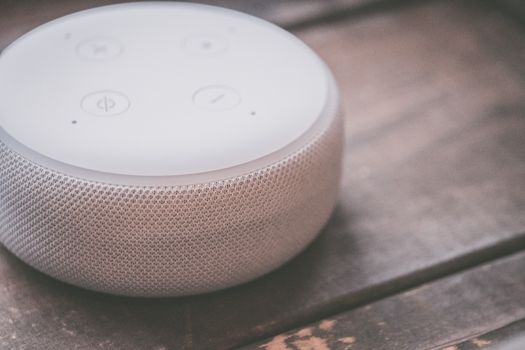 Photo: Jessica Lewis 🦋 thepaintedsquare / Pexels
Stepping into the world of smart home technology can feel like navigating a complex maze. With an overwhelming array of devices, protocols, and ecosystems, it's easy for beginners to feel lost before they even begin. However, the truth is, getting started with smart home tech doesn't have to be complicated or expensive. The key is to understand that 'smart home' isn't a single, monolithic system, but rather a collection of devices that communicate with each other and, crucially, with you, to automate tasks and enhance your living environment. For beginners, the focus should always be on simplicity, ease of installation, and immediate, tangible benefits. Forget about intricate wiring diagrams or advanced coding; the best smart home devices for beginners are designed with a plug-and-play philosophy, making them accessible to everyone, regardless of technical prowess.
The real power of a smart home lies in its ability to simplify your daily routines. Imagine telling your lights to turn on as you walk in, or having your thermostat adjust itself based on your presence. These aren't futuristic concepts; they are everyday realities made possible by accessible smart home technology. For those just dipping their toes in, the most impactful devices are often the ones that solve common frustrations or add significant convenience without a steep learning curve. Think about the devices that can make your mornings smoother, your evenings more relaxing, or your home more secure without requiring a degree in electrical engineering. This article will guide you through the essential considerations and top recommendations for starting your smart home journey on the right foot, ensuring a positive and rewarding experience from day one. We'll explore devices that offer the biggest bang for your buck in terms of functionality and ease of use, making smart living a reality for everyone. Whether you're looking to save energy, boost security, or simply enjoy a more convenient lifestyle, the right beginner-friendly devices are out there, waiting to transform your home. Understanding the core components of a smart home, such as hubs, voice assistants, and individual smart devices, is the first step. A smart hub, for instance, acts as the central brain, allowing different devices to communicate with each other, even if they use different communication protocols like Wi-Fi, Bluetooth, Zigbee, or Z-Wave. However, many beginner-friendly devices can function perfectly well without a dedicated hub, connecting directly to your home Wi-Fi network and controlled via a smartphone app. This 'hub-less' approach often simplifies the initial setup, making it ideal for newcomers. The goal is to create a home that works for you, anticipating your needs and responding to your commands, all without demanding a significant investment in time or technical knowledge. Let's delve deeper into specific categories that offer the most value for smart home novices.
Discover more tech essentials to complement your smart home setup.
Essential Smart Home Devices for a Seamless Start
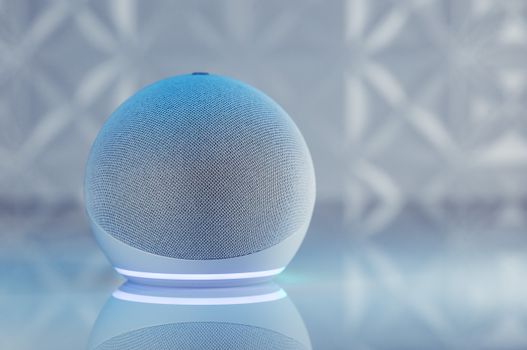 Photo: Jonathan Borba / Pexels
When it comes to building your first smart home, selecting the right devices is paramount. The goal is to choose products that are not only easy to install and operate but also offer immediate, noticeable benefits. Here are the categories that stand out as the best smart home devices for beginners:
**Smart Speakers/Displays:** These are often the gateway to a smart home, acting as central command centers for voice control. Devices like the Amazon Echo Dot or Google Nest Mini are incredibly versatile. They can play music, answer questions, set timers, and, most importantly, control other compatible smart devices with simple voice commands. A smart display, such as the Amazon Echo Show or Google Nest Hub, adds a visual element, allowing you to see information, make video calls, and even watch videos, making them even more intuitive for beginners.
**Smart Plugs:** Arguably the simplest smart home device to start with, smart plugs turn any 'dumb' appliance into a smart one. Just plug them into a wall outlet, plug your lamp, coffee maker, or fan into the smart plug, and you can now control it remotely via an app or voice command. You can set schedules, create timers, and even monitor energy usage (on some models). They require no special wiring and are incredibly affordable, making them an excellent first step for anyone hesitant about smart home tech.
**Smart Light Bulbs:** Upgrading your lighting is another fantastic entry point. Smart light bulbs screw into existing fixtures and allow you to control brightness, color temperature, and even color (with RGB bulbs) from your phone or voice assistant. Many smart bulbs connect directly to your Wi-Fi, eliminating the need for a separate hub. They can be scheduled to turn on/off, mimic presence when you're away, and create custom lighting scenes for different moods, adding both convenience and ambiance to your home.
**Smart Thermostats:** While slightly more involved than plugs or bulbs, smart thermostats offer significant long-term benefits in terms of energy savings and comfort. Devices like the Ecobee Lite or Google Nest Thermostat are designed with user-friendly interfaces and guided installation processes. They learn your preferences, adjust temperatures based on occupancy, and can be controlled remotely, ensuring your home is always comfortable while optimizing energy consumption. Many utility companies even offer rebates for installing smart thermostats, making them a wise investment.
**Video Doorbells:** For those prioritizing security and convenience, a smart video doorbell is an excellent choice. Products like the Ring Video Doorbell or Google Nest Doorbell allow you to see, hear, and speak to visitors from anywhere using your smartphone. They provide motion alerts, record video, and offer peace of mind, knowing who's at your front door, even when you're not home. Installation is usually straightforward, often replacing your existing doorbell button.
These devices form a solid foundation for any smart home beginner, providing tangible benefits without overwhelming complexity. Each offers a clear path to understanding how smart technology integrates into daily life, setting the stage for future expansions.
Building Your Smart Home Ecosystem: Compatibility and Expansion
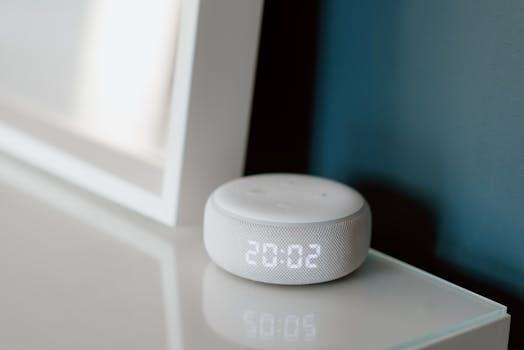 Photo: Anete Lusina / Pexels
One of the most critical aspects for beginners embarking on their smart home journey is understanding the concept of an 'ecosystem' and why compatibility matters. While it's tempting to buy individual devices that catch your eye, a disjointed collection of gadgets that don't communicate with each other can lead to frustration rather than convenience. The best smart home devices for beginners are often those that integrate seamlessly within a larger framework, allowing for automation and centralized control. An ecosystem essentially refers to a family of smart devices and services that are designed to work together, often centered around a voice assistant like Amazon Alexa (Echo ecosystem), Google Assistant (Google Nest ecosystem), or Apple HomeKit. Choosing one of these as your primary platform early on can save you headaches down the line.
For example, if you start with an Amazon Echo Dot, you're already leaning into the Alexa ecosystem. Devices that are 'Works with Alexa' certified will typically integrate smoothly, allowing you to control them all through your Echo device or the Alexa app. The same applies to Google Nest devices and Apple HomeKit. While some devices are cross-compatible (e.g., a Philips Hue light bulb might work with both Alexa and Google Assistant), sticking predominantly to one ecosystem for your core devices often simplifies setup, troubleshooting, and daily operation. This doesn't mean you can't mix and match at all, but for beginners, aiming for a cohesive system is a smart move.
Once you have your initial devices set up and are comfortable with their operation, you can begin to think about expansion. The beauty of a smart home is its modularity. You can add new devices as your needs evolve or as new, innovative products become available. For instance, after mastering smart plugs and lights, you might consider adding smart security cameras for enhanced surveillance, smart locks for keyless entry and remote access control, or even smart garden devices for automated watering. The key is to ensure that any new device you consider is compatible with your existing ecosystem. Most product packaging or online descriptions will explicitly state which voice assistants or platforms a device supports. Don't be afraid to read reviews or consult online forums to confirm compatibility before making a purchase. This strategic approach to building your smart home ensures that every new addition enhances the overall functionality and convenience, rather than creating isolated islands of technology within your home. Remember, the goal is to create a harmonious system where devices work together to make your life easier and more efficient, not more complicated.
Explore advanced tech integrations for future expansions.
Avoiding Common Pitfalls and Tips for a Smooth Smart Home Journey
 Photo: panumas nikhomkhai / Pexels
Embarking on your smart home journey is exciting, but like any new endeavor, it comes with potential pitfalls. Being aware of these can save beginners a lot of frustration and ensure a more positive experience. Here are some common mistakes to avoid and essential tips for making your smart home setup as smooth as possible:
**Common Pitfalls to Avoid:**
* **Overbuying at the Start:** Don't feel pressured to automate your entire home at once. Starting with too many devices can be overwhelming and lead to analysis paralysis. Begin with one or two key areas or problems you want to solve, and then gradually expand.
* **Ignoring Compatibility:** As discussed, mixing incompatible devices is a recipe for headaches. Always check if a new device 'Works with Alexa,' 'Works with Google Assistant,' or supports Apple HomeKit if those are your chosen ecosystems. Incompatible devices often require separate apps and won't integrate into your routines.
* **Weak Wi-Fi Network:** Many smart devices rely heavily on your home Wi-Fi. A weak or unreliable network can lead to devices frequently disconnecting, slow response times, or complete failure. Ensure your router is up to the task and consider Wi-Fi extenders or a mesh network if you have a large home or dead zones.
* **Neglecting Security:** Smart devices are connected to your network, making them potential entry points for cyber threats. Always use strong, unique passwords for all smart home accounts, enable two-factor authentication where available, and keep device firmware updated.
* **Forgetting About Privacy:** Understand what data your smart devices are collecting and how it's being used. Review privacy settings and opt out of data sharing if you're uncomfortable. Position cameras and microphones thoughtfully.
**Tips for a Smooth Smart Home Journey:**
* **Start with a Clear Goal:** Before buying anything, identify what you want your smart home to do for you. Is it security, convenience, energy saving, or ambiance? This clarity will guide your purchases.
* **Read Reviews and Watch Tutorials:** Leverage the experiences of others. Online reviews and YouTube tutorials can provide invaluable insights into ease of installation, everyday use, and potential quirks of devices.
* **Test Devices Individually:** When you get a new device, set it up and test its basic functionality before trying to integrate it into complex routines. This helps isolate issues if something goes wrong.
* **Label Everything:** As your smart home grows, it's easy to forget which smart plug controls which lamp. Use labels on physical devices or clear names in your app to stay organized.
* **Explore Routines and Automations:** The real magic of a smart home comes from automation. Once comfortable, explore creating routines (e.g., 'Good Morning' routine that turns on lights and starts coffee) to maximize convenience.
* **Be Patient and Have Fun:** There might be a learning curve, and occasionally, things won't work perfectly. Be patient, troubleshoot, and remember that the goal is to make your life easier and more enjoyable. Embrace the process of learning and adapting.
