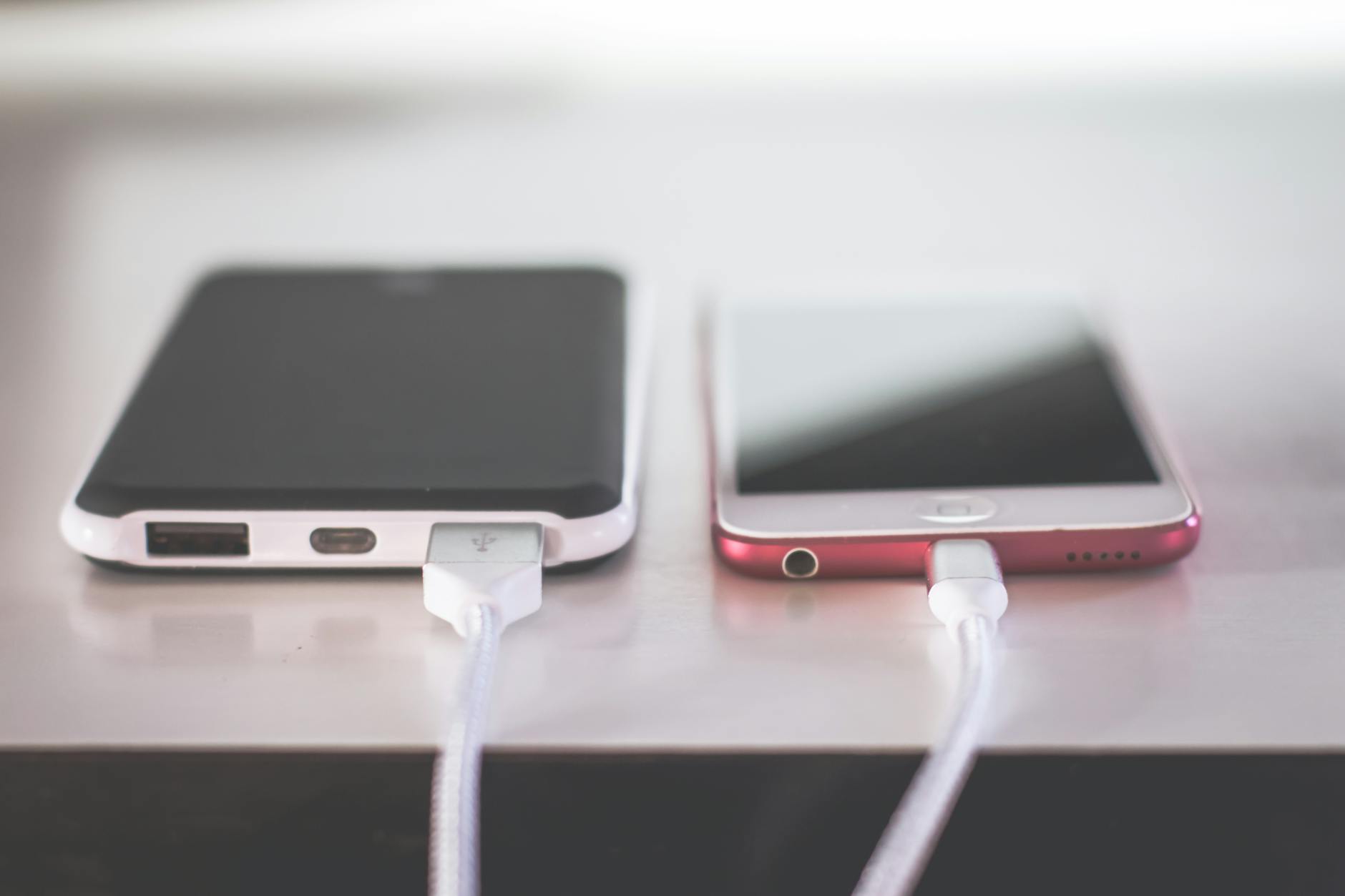
Find the Best Portable Power Bank for Travel: Stay Charged!
Keep your essential devices powered up and connected, no matter where your journeys take you.
Explore Top PicksKey Takeaways
- ✓ Battery capacity is measured in milliamp-hours (mAh).
- ✓ Most airlines have restrictions on power bank size for carry-on luggage.
- ✓ USB-C Power Delivery (PD) offers the fastest charging for compatible devices.
- ✓ Consider pass-through charging for simultaneous device and power bank charging.
How It Works
Before your trip, fully charge your portable power bank using a wall adapter. Ensure it's ready to provide power when you need it most.
When your phone, tablet, or other device runs low, simply plug it into the power bank's USB port. Use the appropriate cable for your device.
The power bank will automatically begin charging your connected device. You can continue to use your device while it charges, extending its battery life.
Most power banks have LED indicators to show remaining charge. Keep an eye on these and recharge your power bank when its capacity gets low, preparing for your next adventure.
Understanding Portable Power Bank Essentials for Travelers
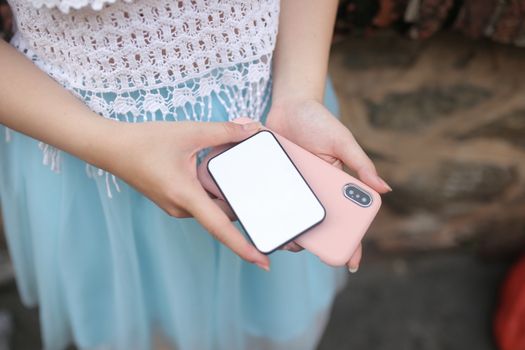 Photo: Thiếu Quân Võ Vũ / Pexels
The first and arguably most critical factor is capacity, measured in milliamp-hours (mAh). This number indicates how much power the bank can store. For a quick top-up of a smartphone, a 5,000 mAh power bank might suffice. However, for extended travel, multiple device charges, or powering larger gadgets like tablets, you'll want something significantly higher, perhaps in the 10,000 mAh to 20,000 mAh range. Remember, the higher the mAh, generally the larger and heavier the power bank will be. You need to strike a balance between sufficient power and portability, especially if you're counting every ounce in your carry-on.
Next, consider the output ports and charging speed. Most modern power banks come with multiple USB-A ports, and increasingly, USB-C ports. USB-C with Power Delivery (PD) is a game-changer, offering significantly faster charging for compatible devices, including many smartphones, tablets, and even some smaller laptops. If your devices support PD, investing in a power bank with PD output will drastically reduce charging times. Quick Charge (QC) is another fast-charging technology, primarily for Android devices. Ensure the power bank's output voltage and amperage match your devices' requirements for optimal and safe charging.
Size and weight are paramount for travelers. A power bank that's too bulky or heavy will quickly become a burden. Look for slim, lightweight designs that can easily slip into a pocket, purse, or backpack without adding significant bulk. Durability is also key; travel can be tough on electronics, so a robust casing that can withstand bumps and drops is highly desirable. Some power banks even come with water resistance, which can be a lifesaver in unpredictable weather.
Finally, don't overlook airline restrictions. Most airlines have limits on the maximum capacity of power banks you can carry in your carry-on luggage. Typically, this limit is around 100 Wh (Watt-hours), which translates to approximately 27,000 mAh for a standard 3.7V battery. Some airlines allow up to 160 Wh with approval. Always check your specific airline's regulations before flying to avoid any issues at security. Understanding these fundamental aspects will lay the groundwork for choosing a portable power bank that truly enhances your travel experience, keeping you powered up and connected wherever your journey leads. For more insights on general tech gadgets for travel, check out our guide on essential travel tech accessories.
Top Contenders: The Best Portable Power Banks for Diverse Travel Needs
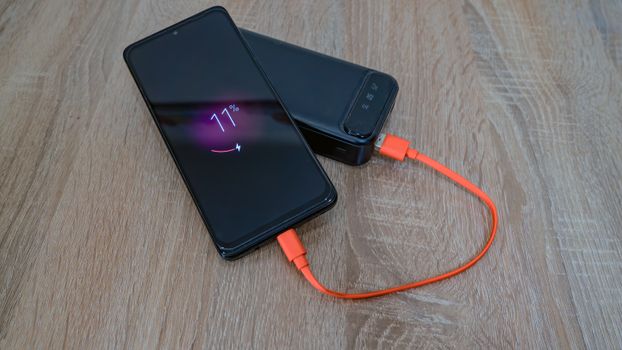 Photo: Eleonora Vokueva / Pexels
For the minimalist traveler who primarily needs to keep their smartphone alive for a day or two, compact and lightweight options are ideal. Power banks in the 5,000 mAh to 10,000 mAh range are perfect. They are small enough to fit in a pocket, often no larger than a smartphone, and provide at least one full charge for most modern phones. Look for models from brands like Anker (e.g., PowerCore Slim 10000) or RAVPower (e.g., RP-PB186 Mini) that offer a good balance of size, weight, and charging speed, often including USB-C input/output for versatility.
The average traveler, who might carry a smartphone, a tablet, and perhaps a pair of wireless earbuds, will benefit most from a mid-range capacity power bank, typically 15,000 mAh to 20,000 mAh. These offer enough juice for multiple charges across several devices over a few days. Many models in this category feature multiple output ports, including both USB-A and USB-C PD, allowing you to charge several devices simultaneously and quickly. Anker PowerCore Essential 20000 PD and Aukey Power Bank 20000mAh are popular choices in this segment, known for their robust build quality and efficient charging. They strike an excellent balance between power and portability, making them suitable for most domestic and international trips.
For the power user, digital nomad, or anyone traveling with a laptop, camera, or multiple high-drain devices, a high-capacity power bank (20,000 mAh to 27,000 mAh) is essential. These larger banks can often provide a full charge or more to a USB-C laptop, keeping you productive on long flights or during remote work sessions. They typically feature high-wattage USB-C PD outputs (60W or even 100W) and multiple ports. Brands like Jackery (e.g., Explorer series for outdoor use) or Goal Zero (e.g., Venture series) offer rugged, high-capacity options that can withstand more adventurous travel. Zendure SuperTank Pro is another excellent choice for its enormous capacity and multiple high-power USB-C PD ports, ideal for charging multiple laptops and devices simultaneously. While these are heavier and larger, their utility for power-hungry travelers is unmatched.
Finally, consider specialized features. Some power banks offer built-in cables, making them incredibly convenient and reducing clutter. Others have solar charging capabilities, ideal for off-grid adventures, though solar charging is typically very slow and best used for topping off. Wireless charging pads are also becoming more common, offering a cable-free charging experience for compatible phones. If you're a photographer, look for power banks that can charge camera batteries directly or via USB-C. By matching your travel style and device ecosystem to these categories, you can confidently choose a portable power bank that truly meets your needs and keeps you powered throughout your journey.
Maximizing Your Portable Charger for Optimal Travel Performance
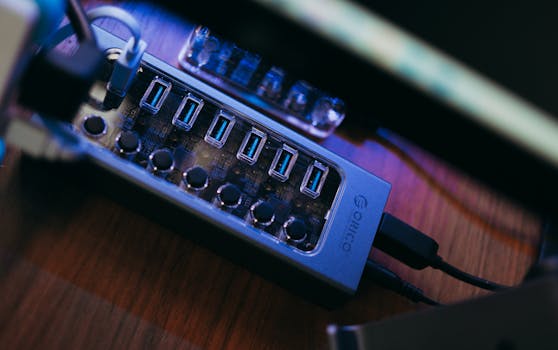 Photo: FOX ^.ᆽ.^= ∫ / Pexels
One of the most crucial aspects of maximizing performance is understanding charging cycles. Lithium-ion batteries, which power most modern power banks, have a finite number of charge cycles. While you can't stop this process, you can optimize it. Avoid completely draining your power bank to 0% or consistently charging it to 100% and leaving it plugged in for extended periods. Ideally, keep the charge level between 20% and 80% for the longest battery life. This 'sweet spot' reduces stress on the battery cells. When storing your power bank for a long time, aim for a 50-60% charge level in a cool, dry place.
Choosing the right charging cables is often overlooked but plays a significant role in charging efficiency. Always use high-quality cables that are compatible with your devices and power bank. Cheap or damaged cables can lead to slower charging, overheating, and even damage to your devices or the power bank itself. For fast charging, especially with USB-C PD, ensure your cable supports the necessary wattage. A 100W PD power bank requires a 100W PD cable to deliver its full potential. Similarly, use the appropriate wall adapter to charge your power bank – a low-power adapter will take significantly longer to charge a high-capacity power bank.
Temperature management is another critical factor. Extreme temperatures, both hot and cold, can negatively impact battery performance and longevity. Avoid leaving your power bank in direct sunlight, in a hot car, or in extremely cold environments for prolonged periods. If you're traveling to a region with extreme climates, try to keep your power bank insulated or stored in a moderate environment. Overheating can reduce efficiency and, in rare cases, pose a safety risk, while extreme cold can temporarily reduce capacity and charging speed.
Regular cleaning and inspection are simple yet effective maintenance tips. Dust and debris can accumulate in ports, affecting connectivity. Gently clean ports with a dry, non-metallic tool like a wooden toothpick or a blast of compressed air. Periodically inspect the casing for any signs of damage, swelling, or unusual odors, which could indicate a problem with the battery. If you notice any of these, discontinue use immediately. By following these guidelines, your portable power bank will remain a dependable source of power, ensuring your devices are always ready for your next adventure. For more advanced charging techniques and battery health tips, explore our article on optimizing device battery life.
Common Mistakes to Avoid When Using Your Travel Power Bank
 Photo: Lukas Blazek / Pexels
1. **Ignoring Airline Regulations:** This is perhaps the most critical mistake for travelers. As mentioned, most airlines have strict rules about power bank capacity in carry-on luggage. Packing a power bank over 27,000 mAh (100Wh) in your carry-on without prior approval, or attempting to put any power bank in checked luggage, can lead to confiscation or flight delays. Always check your airline's specific policies before you fly.
2. **Buying Unbranded or Cheap Knock-offs:** While tempting for their low price, unbranded or suspiciously cheap power banks often use low-quality components, leading to inaccurate capacity ratings, slow charging, poor efficiency, and even safety risks like overheating or short-circuiting. Stick to reputable brands known for their safety standards and customer support.
3. **Using Incorrect Cables or Chargers:** A mismatch between your device's charging requirements and the cable/charger can result in slow charging or potential damage. For fast charging technologies like USB-C PD or Quick Charge, ensure both the power bank and the cable support the specific protocol and wattage. Using a low-power phone charger to recharge a high-capacity power bank will take an excessively long time.
4. **Over-Discharging or Over-Charging:** Consistently draining your power bank to 0% or leaving it plugged in long after it's reached 100% can degrade the battery over time. While modern power banks have protection circuits, it's best practice to keep the charge between 20% and 80% for optimal battery health.
5. **Exposing to Extreme Temperatures:** Leaving your power bank in a hot car, direct sunlight, or freezing conditions can severely impact its performance and longevity. Extreme heat can lead to battery degradation and swelling, while extreme cold temporarily reduces capacity. Always store it in a temperate environment.
6. **Neglecting to Fully Charge Before a Trip:** It seems obvious, but many travelers forget to top off their power bank until the last minute, only to find it's not fully charged when they need it most. Make it a habit to fully charge your power bank a day or two before your departure.
7. **Not Considering Port Output:** Not all ports are created equal. Some power banks have ports with different amperage outputs. Plugging a tablet into a low-amperage port designed for a phone will result in very slow charging. Understand which ports are best for which devices.
8. **Ignoring Indicator Lights:** The LED lights on your power bank aren't just for show. They indicate remaining charge and often charging status. Learning to interpret these lights helps you manage your power bank's charge effectively and know when it's time to recharge.
By avoiding these common mistakes, you can ensure your portable power bank remains a dependable, efficient, and safe power source for all your travel adventures, keeping your devices charged and your worries at bay.
Comparison
| Feature | Anker PowerCore Slim 10000 PD | Anker PowerCore Essential 20000 PD | Zendure SuperTank Pro 26800mAh |
|---|---|---|---|
| Capacity (mAh) | 10,000 | 20,000 | 26,800 |
| Max USB-C PD Output (W) | 18W | 20W | 100W (4x PD ports) |
| Number of Output Ports | 2 (1x USB-A, 1x USB-C) | 2 (1x USB-A, 1x USB-C) | 4 (4x USB-C) |
| Weight (approx.) | 7.5 oz | 12 oz | 20.5 oz |
| Airline Approved (Carry-on) | ✓ | ✓ | ✓ (just under 100Wh) |
| Laptop Charging | ✗ (for small laptops) | ✗ (for small laptops) | ✓ |
| Wireless Charging | ✗ | ✗ | ✗ |
What Readers Say
"The Anker PowerCore Slim 10000 PD is truly the best portable power bank for travel! It's so compact, yet it charges my iPhone 13 twice over. I took it on a week-long trip to Europe and never once worried about my phone dying during navigation or photo ops. Absolutely essential for any traveler."
Sarah J. · Austin, TX"As a digital nomad, the Zendure SuperTank Pro 26800mAh has been a game-changer. I can charge my MacBook Pro and my phone simultaneously multiple times. It's a bit heavier, but the 100W USB-C PD output means I can work from anywhere without constantly searching for outlets. Worth every penny for serious productivity on the go."
Mark D. · Denver, CO"I bought the Anker PowerCore Essential 20000 PD for my family vacation, and it delivered exactly what I needed. We were able to keep two phones and a tablet charged for two days without needing an outlet. No more fighting over chargers, and all our devices were ready for photos and entertainment. Highly recommend for families."
Emily R. · Miami, FL"The portable power bank I got was decent, offering a good few charges for my phone. I wish it had faster charging for my tablet, but for its price and size, it's a solid choice for weekend trips. Just make sure to check the output specs for your specific devices."
Kevin L. · Seattle, WA"My travel power bank saved me on a recent camping trip. No outlets for miles, but I could keep my phone charged for emergencies and use the flashlight feature. It's rugged and held its charge perfectly in the wilderness. Essential for any outdoor adventure or even just long days exploring a new city."
Jessica M. · New York, NYFrequently Asked Questions
What capacity (mAh) is best for a portable power bank for travel?
The best capacity depends on your needs. For a smartphone, 10,000 mAh is often sufficient for 2-3 charges. For multiple devices or tablets, 15,000-20,000 mAh is ideal. If you need to charge laptops, look for 25,000 mAh or higher, ensuring it meets airline carry-on limits (typically under 27,000 mAh).
Are portable power banks allowed on airplanes?
Yes, portable power banks are generally allowed on airplanes, but only in your carry-on luggage. They are strictly prohibited in checked baggage due to fire safety concerns. Most airlines limit capacity to 100 Wh (around 27,000 mAh), with some allowing up to 160 Wh with airline approval.
How do I know if my portable power bank is fast charging?
Look for specific fast-charging technologies listed in the product description, such as 'Power Delivery' (PD) for USB-C devices, or 'Quick Charge' (QC) for many Android devices. The output wattage (W) will also indicate speed; higher wattage (e.g., 18W, 20W, 45W, 60W, 100W) means faster charging for compatible devices.
Is a more expensive power bank always better for travel?
Not necessarily, but reputable brands often offer better quality, safety features, and customer support. While budget options exist, excessively cheap power banks might have inflated capacity claims, slow charging, or pose safety risks. It's often worth investing a bit more for reliability and peace of mind, especially for critical travel use.
What's the difference between Watt-hours (Wh) and Milliamp-hours (mAh) for power banks?
mAh measures the battery's capacity, while Wh measures the total energy stored. Wh is a more accurate indicator of total power and is what airlines use for restrictions. You can convert mAh to Wh using the formula: (mAh * Voltage) / 1000 = Wh. Most power banks use a standard 3.7V battery, so 27,000 mAh is roughly 99.9 Wh.
Who should prioritize a durable, rugged power bank for travel?
Travelers who engage in outdoor activities like hiking, camping, or adventure sports should prioritize a durable, rugged power bank. These often feature water resistance, shock-proof casings, and sometimes even built-in flashlights, making them suitable for unpredictable environments and rough handling. They are also great for families with young children.
Are there any safety concerns with using portable power banks?
When using reputable brands and following instructions, power banks are very safe. Concerns arise with cheap, uncertified products that lack proper safety features like overcharge, over-discharge, short-circuit, and temperature protection. Always avoid damaged or swollen power banks and never attempt to modify them.
What future trends should I look for in portable power banks for travel?
Expect to see more integrated wireless charging capabilities, higher wattage USB-C PD outputs for even faster laptop charging, and potentially more eco-friendly materials. Smaller form factors with increased capacity and more efficient battery technology are also continuously evolving, offering more power in a more compact design.
Don't let a dead battery derail your next adventure. Invest in the best portable power bank for travel today and ensure you stay connected, navigate effortlessly, and capture every moment. Choose wisely, charge fully, and explore without limits!