✓ Active Noise Cancellation (ANC) uses microphones to detect and cancel out ambient noise.
✓ Battery life is crucial for long flights; look for 20+ hours with ANC on.
✓ Comfort and fit are paramount for extended wear, especially over-ear models.
✓ Sound quality varies, with some models prioritizing noise cancellation over audiophile-grade sound.
How It Works
1
ANC Technology Explained
Active Noise Cancellation (ANC) utilizes tiny microphones on the headphones to pick up low-frequency background noise. It then generates an 'anti-noise' sound wave that precisely mirrors the incoming noise, effectively canceling it out before it reaches your ear.
2
Passive Noise Isolation
Beyond ANC, the physical design of over-ear headphones also provides passive noise isolation. The earcups and padding create a seal around your ears, blocking out higher-frequency sounds that ANC may not fully address.
3
Sound Processing & Playback
Once ambient noise is reduced, your audio (music, podcasts, calls) is processed and delivered through the headphone drivers. High-quality drivers and audio codecs ensure clear, rich sound without interference from the external environment.
4
User Control & Customization
Many modern noise-cancelling headphones offer adjustable ANC levels, transparency modes (to hear your surroundings), and personalized EQ settings. This allows users to tailor their listening experience to different environments and preferences.
Understanding Active Noise Cancellation (ANC) for Travel
Photo: Eren Li / Pexels
When embarking on a journey, whether by air, rail, or bus, the cacophony of engines, chatter, and general hubbub can quickly turn an exciting adventure into a draining ordeal. This is precisely where Active Noise Cancellation (ANC) technology becomes an indispensable travel companion. Unlike passive noise isolation, which relies solely on physical barriers to block sound, ANC actively combats noise using sophisticated electronics. It employs tiny microphones strategically placed on the headphones to detect incoming ambient sounds, particularly those pesky low-frequency hums that characterize airplane cabins and train carriages. Once detected, the ANC circuitry generates a precisely inverted sound wave – an 'anti-noise' signal – which is then played through the headphone speakers. When this anti-noise wave meets the original ambient noise wave, they effectively cancel each other out, resulting in a remarkable reduction in perceived background sound. This isn't magic; it's a clever application of physics, allowing you to enjoy your audio, or simply a moment of silence, in even the most boisterous environments.
For travelers, the benefits are manifold. Imagine settling into your seat on a long-haul flight, donning your headphones, and instantly feeling the roar of the engines fade into a gentle hum, if not complete silence. This allows for more restful sleep, a more enjoyable movie-watching experience, or focused work without constant distractions. Moreover, by reducing the need to crank up the volume to overcome external noise, ANC helps protect your hearing in the long run. Different headphones offer varying degrees of ANC effectiveness, with some excelling at blocking out consistent low-frequency drone, while others also manage to dampen intermittent higher-frequency sounds like voices. Understanding the nuances of ANC performance is key to selecting the best headphones for your specific travel needs, ensuring your journey is as peaceful and productive as possible. Consider models that offer adjustable ANC levels, allowing you to fine-tune the noise cancellation to your surroundings, from the quiet confines of a library to the bustling environment of an airport terminal.
Key Features to Prioritize in Travel Headphones
Photo: Eren Li / Pexels
Choosing the best noise cancelling headphones for travel involves more than just effective ANC. Several other features contribute significantly to a superior travel experience. First and foremost, battery life is paramount. Long flights or extended travel days demand headphones that can last the distance. Look for models offering at least 20-30 hours of battery life with ANC activated. Some premium options even extend this to 40 hours or more, ensuring you won't be left without your audio sanctuary mid-journey. Fast charging capabilities are also a huge plus, allowing you to quickly top up your headphones during short layovers.
Comfort and fit are equally critical. You'll likely be wearing these headphones for hours on end, so an ergonomic design is essential. Over-ear headphones generally provide the best combination of comfort and passive noise isolation. Look for plush, breathable earcups, adjustable headbands, and a lightweight construction that won't cause fatigue or pressure points. Memory foam earcups are a common feature in high-end models, conforming to your head shape for a personalized fit. Portability is another vital consideration for travelers. While over-ear headphones tend to be larger, many models feature foldable designs and come with compact carrying cases, making them easy to pack into your carry-on luggage without taking up excessive space. Durability is also worth noting; travel can be tough on electronics, so headphones with robust build quality will withstand the rigors of frequent use.
Beyond the core features, consider connectivity options. Bluetooth 5.0 or higher ensures a stable wireless connection and efficient power consumption. Multipoint connectivity, allowing simultaneous connection to two devices (e.g., your phone and laptop), is incredibly convenient. A reliable microphone for calls is also important, especially if you plan to use your headphones for work or staying in touch. Lastly, some headphones offer companion apps that provide additional customization, such as EQ adjustments, ANC level control, and firmware updates, enhancing the overall user experience. These seemingly minor details can collectively elevate your travel audio experience from good to exceptional.
Top Contenders: The Best Noise Cancelling Headphones for Travel
Photo: Grzegorz Lewandowski / Pexels
Navigating the crowded market of noise-cancelling headphones can be daunting, but a few models consistently rise to the top for their exceptional performance tailored to travelers. The Bose QuietComfort series, particularly the QC45 and the newer QuietComfort Ultra, remains a gold standard. Bose is renowned for its industry-leading noise cancellation, creating an almost eerie silence that is perfect for long-haul flights. Their lightweight design and supremely comfortable earcups make them ideal for extended wear, often feeling like they disappear on your head. While their sound profile is generally balanced and pleasing, it's the ANC that truly sets them apart. Similarly, Sony's WH-1000XM series, currently led by the WH-1000XM5, offers a compelling alternative. Sony often boasts a more dynamic sound signature with excellent bass response, appealing to audiophiles. Their ANC technology is fiercely competitive with Bose, often excelling in specific frequency ranges, and they frequently include advanced features like adaptive sound control, which automatically adjusts ambient sound settings based on your activity and location. Both Bose and Sony offer excellent battery life, typically exceeding 25-30 hours with ANC engaged, ensuring they last through the longest journeys.
Beyond these two titans, other brands offer strong contenders. The Apple AirPods Max provides a premium experience for Apple ecosystem users, featuring exceptional build quality, spatial audio, and robust noise cancellation. While heavier than some competitors, their unique mesh headband distributes weight effectively, and their sound quality is top-tier. However, their higher price point and lack of an analog audio jack (without an adapter) can be considerations for some. For those seeking a slightly more budget-friendly yet still highly capable option, models from Sennheiser (like the Momentum 4 Wireless) or even some JBL offerings provide strong noise cancellation, good sound, and solid battery life. Sennheiser, in particular, is lauded for its natural sound reproduction. When making your final decision, consider your primary use case – is it purely for noise reduction, or is sound quality equally important? Do you prioritize portability above all else? Reading detailed reviews and, if possible, trying on different models can help you find the perfect pair that balances all these crucial factors for your ultimate travel tech setup.
Maximizing Your Travel Experience: Tips and Common Mistakes
Photo: Andrey Matveev / Pexels
To truly get the most out of your best noise cancelling headphones for travel, a few tips and awareness of common mistakes can significantly enhance your experience.
**Tips for an Optimal Experience:**
* **Charge Before Every Trip:** This might seem obvious, but always ensure your headphones are fully charged before heading out. A power bank for on-the-go charging is also a smart investment.
* **Use the Right Ear Tips/Pads:** For in-ear noise-cancelling earbuds, experiment with different ear tip sizes to achieve the best seal. For over-ear headphones, ensure the earcups sit snugly around your ears without gaps. A good seal is crucial for both passive noise isolation and effective ANC.
* **Download Content Offline:** Don't rely solely on in-flight Wi-Fi. Download your movies, music, and podcasts before you leave home to avoid buffering and ensure uninterrupted entertainment.
* **Carry an Adapter:** Many airplanes still use dual-prong audio jacks. A simple airplane adapter will allow you to connect your headphones to the in-flight entertainment system, even if your headphones are primarily wireless.
* **Utilize Transparency Mode:** When you need to hear announcements or converse with cabin crew, switch to transparency or ambient sound mode instead of removing your headphones entirely. This is far more convenient.
* **Store in a Hard Case:** Protect your investment. Always store your headphones in their provided hard carrying case to prevent damage from being jostled in your luggage.
**Common Mistakes to Avoid:**
* **Forgetting to Turn Off ANC:** If your headphones have a separate ANC switch, remember to turn it off when not in use to conserve battery, especially if you're not listening to audio.
* **Ignoring Comfort:** Don't prioritize features over comfort. Uncomfortable headphones will quickly become a nuisance on long journeys, regardless of their noise-cancelling prowess.
* **Expecting Complete Silence:** While ANC is incredibly effective, it rarely achieves 100% silence. High-frequency, sudden noises (like a baby crying or a sharp clap) are harder for ANC to eliminate entirely. Manage your expectations.
* **Not Updating Firmware:** Manufacturers frequently release firmware updates that can improve ANC performance, battery life, and overall stability. Check your headphone's companion app for updates periodically.
* **Overlooking Wired Option:** Even if your headphones are wireless, many come with an audio cable. This can be a lifesaver if the battery dies or if you encounter a device that doesn't support Bluetooth.
By following these guidelines, you can ensure your noise-cancelling headphones truly enhance your travel experience, providing a personal oasis of calm wherever your adventures take you.
Comparison
Feature
Bose QuietComfort Ultra
Sony WH-1000XM5
Apple AirPods Max
ANC Performance
Industry-leading, exceptional for low frequencies
Excellent, strong across frequencies, adaptive
Outstanding, deeply immersive
Comfort
Supremely comfortable, lightweight, great for long wear
Very comfortable, lightweight, good clamping force
Comfortable despite weight, unique mesh headband
Battery Life (ANC On)
Up to 24 hours
Up to 30 hours
Up to 20 hours
Sound Quality
Balanced, clear, natural
Dynamic, rich bass, customizable EQ
Premium, detailed, spatial audio
Portability
Foldable, compact case
Foldable, slim case
Non-foldable, Smart Case offers minimal protection
Microphone Quality
Excellent for calls
Very good, clear voice pickup
Exceptional, clear in noisy environments
Wired Option
✓ (via 2.5mm to 3.5mm cable)
✓ (3.5mm cable included)
✗ (Lightning to 3.5mm adapter sold separately)
What Readers Say
★★★★★
"These Bose headphones are an absolute game-changer for my cross-country flights. The engine noise just melts away, allowing me to actually relax and even sleep. Best noise cancelling headphones for travel, hands down!"
Sarah P. · Austin, TX
★★★★★
"I travel weekly for work, and my Sony WH-1000XM5s are my constant companion. The ANC is incredible, and the sound quality for my podcasts and music is just superb. They make airport lounges tolerable."
Mark D. · Seattle, WA
★★★★★
"I finally invested in quality noise cancelling headphones for travel, and it's transformed my long train commutes. I can focus on my work or enjoy my audiobooks without any distractions from the carriage."
Jessica L. · Miami, FL
★★★★★
"The AirPods Max are fantastic within the Apple ecosystem, and the noise cancellation is top-notch. My only minor gripe is their weight, but the sound and build quality almost completely make up for it."
Kevin R. · Denver, CO
★★★★★
"As a digital nomad, comfortable and effective headphones are essential. These Sennheisers deliver excellent ANC and fantastic battery life, making my co-working spaces and cafes feel like private offices."
Emily T. · Chicago, IL
Frequently Asked Questions
What is the primary benefit of noise cancelling headphones for travel?
The primary benefit is the significant reduction of ambient background noise, such as airplane engines, train hum, or city chatter. This creates a quieter environment, allowing for more peaceful rest, clearer audio listening, and reduced travel stress and fatigue.
Are noise cancelling headphones safe for my ears?
Yes, generally they are. By actively reducing background noise, noise cancelling headphones allow you to listen to your audio at lower volumes. This can actually be safer for your hearing in the long run compared to regular headphones where you might turn up the volume to overcome external sounds.
How do I choose between over-ear and in-ear noise cancelling options?
Over-ear headphones generally offer superior passive noise isolation and often more powerful ANC, along with better battery life and sound quality. In-ear options (earbuds) are more portable and discreet. Your choice depends on your priority for sound quality, comfort for long periods, and portability.
Are expensive noise cancelling headphones always better?
While higher-priced models often offer superior ANC, sound quality, and premium features, there are excellent mid-range options that provide great value. The 'best' depends on your specific needs, budget, and what features you prioritize most for your travel style.
Can noise cancelling headphones block out all sounds, like crying babies?
Active Noise Cancellation is most effective at blocking consistent, low-frequency sounds (like engine hum). While they significantly reduce many noises, high-frequency, sudden, or irregular sounds like crying babies, sharp conversations, or announcements are more challenging for ANC to fully eliminate. They will be muffled, but not completely silenced.
Who should invest in the best noise cancelling headphones for travel?
Anyone who frequently travels by plane, train, or bus, commutes in noisy environments, or simply seeks a personal oasis of calm will benefit greatly. They are ideal for business travelers, digital nomads, students, or anyone who values peace and quiet during their journeys.
Can noise cancelling headphones interfere with airplane safety systems?
No, modern noise cancelling headphones operate on frequencies that do not interfere with airplane safety systems. You can use them safely during all phases of flight, though always adhere to airline crew instructions regarding electronic device usage during takeoff and landing.
What are the emerging trends in noise cancelling headphone technology?
Future trends include more sophisticated adaptive ANC that automatically adjusts to changing environments, enhanced spatial audio for immersive experiences, longer battery life, smaller form factors, and deeper integration with smart assistants and health monitoring features.
Ready to transform your chaotic journeys into serene escapes? Investing in the best noise cancelling headphones for travel is a decision you won't regret. Find your perfect pair today and enjoy unparalleled peace and crystal-clear audio, no matter where your adventures take you.

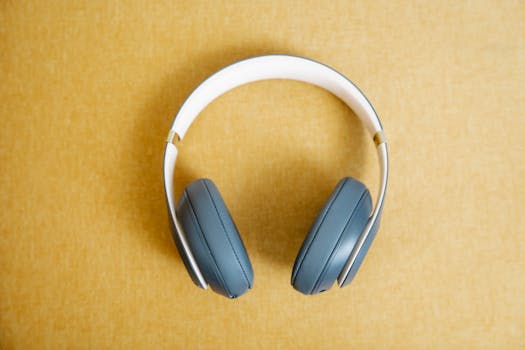 Photo: Eren Li / Pexels
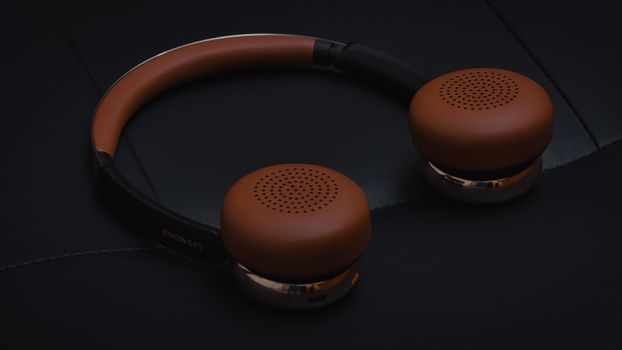 Photo: Grzegorz Lewandowski / Pexels
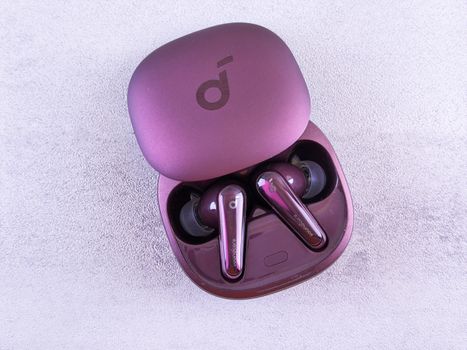 Photo: Andrey Matveev / Pexels