Unlock Your Gaming Potential: Best External Hard Drive for Gaming
best external hard drive for gaming

Unlock Your Gaming Potential: Best External Hard Drive for Gaming

Boost your game library, slash load times, and take your favorite titles anywhere with the ultimate portable storage solutions.

Find Your Perfect Drive

Key Takeaways

  • ✓ External SSDs offer significantly faster load times than HDDs for gaming.
  • ✓ Compatibility varies between consoles (PS5, Xbox Series X/S) and PC.
  • ✓ USB 3.2 Gen 2 (10Gbps) or Thunderbolt 3/4 (40Gbps) provide optimal performance.
  • ✓ Capacity needs depend on game size and library growth, with 1TB-4TB being popular.

How It Works

1
Connect the Drive

Plug the external hard drive into an available USB port on your PC or gaming console. Ensure the connection is secure for optimal performance.

2
Format for Your System

For consoles, the system will typically prompt you to format the drive. For PC, you might need to format it via Disk Management to a compatible file system like NTFS or exFAT.

3
Transfer or Install Games

Once formatted, you can either transfer existing games from your internal storage or directly install new games onto the external drive. Manage your game library seamlessly.

4
Play with Enhanced Performance

Enjoy faster load times and expanded storage for your game library. External SSDs, in particular, can significantly reduce waiting periods, getting you into the action quicker.

Why an External Gaming Drive is Essential for Modern Gamers

Diverse group of gamers focused on a competitive esports match in a dimly lit arena. Photo: Yan Krukau / Pexels
In the fast-evolving world of gaming, where titles routinely push past 100GB and game libraries grow at an astonishing rate, the internal storage of your PC or console can quickly become a bottleneck. This is where the best external hard drive for gaming becomes not just a convenience, but a necessity. Modern games, with their intricate graphics, sprawling open worlds, and high-resolution textures, demand substantial storage space. Without an external drive, you're constantly faced with the agonizing choice of deleting beloved titles to make room for new ones, or enduring endless download times if you frequently switch between games. An external gaming drive fundamentally changes this dynamic, offering a vast expansion of your storage capacity without the need to open up your device or navigate complex installation procedures. It provides a simple, plug-and-play solution that immediately alleviates storage concerns. Beyond mere capacity, the type of external drive you choose can also dramatically impact your gaming experience. While traditional Hard Disk Drives (HDDs) offer massive storage at an affordable price, Solid State Drives (SSDs) are the true game-changers for performance. External SSDs leverage flash memory, resulting in significantly faster read and write speeds compared to their HDD counterparts. This translates directly into tangible benefits for gamers: drastically reduced loading screens, quicker texture pop-in, and smoother in-game transitions. Imagine booting up your favorite open-world RPG and jumping into the action in seconds, rather than minutes. This performance boost is particularly noticeable on current-generation consoles like the PlayStation 5 and Xbox Series X/S, which are designed to take full advantage of high-speed storage. While internal NVMe SSDs are often the fastest, a well-chosen external NVMe or SATA SSD connected via a fast USB port can still deliver a phenomenal upgrade. For PC gamers, an external SSD can serve as a dedicated game drive, freeing up your primary internal drive for the operating system and other critical applications, thereby enhancing overall system responsiveness. It's about optimizing your entire gaming ecosystem. Learn more about optimizing your gaming setup. Furthermore, portability is a significant, often overlooked advantage. An external gaming drive allows you to take your entire game library with you. Whether you're visiting a friend, traveling, or simply want to switch between different gaming setups in your home, your games are always accessible. This is invaluable for competitive gamers who might need to quickly set up on a different machine, or for casual players who enjoy gaming on the go. The convenience of simply unplugging a drive and plugging it into another compatible system, without the need for re-downloads or lengthy installations, is a huge time-saver. Consider the sheer volume of data involved with today's games; re-downloading Call of Duty or Cyberpunk 2077 multiple times is simply impractical. With the best external hard drive for gaming, your digital collection is always within reach, ready to play. This flexibility makes external drives a versatile tool for any serious gamer looking to enhance their experience.

SSD vs. HDD: Choosing the Right External Drive for Performance
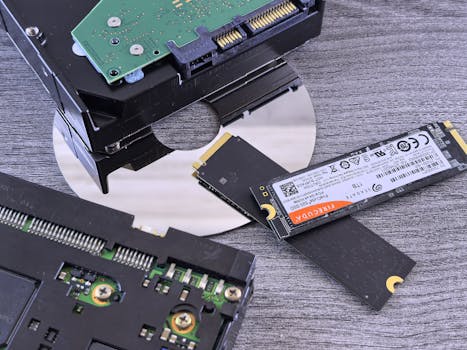
Contrasting data storage technologies: NVMe SSD, HDD, and CD. Photo: Andrey Matveev / Pexels
When searching for the best external hard drive for gaming, the fundamental decision lies between a Solid State Drive (SSD) and a Hard Disk Drive (HDD). This choice profoundly impacts performance, cost, and capacity. HDDs, the older technology, rely on spinning platters and read/write heads to access data. Their primary advantage is cost per gigabyte, offering massive storage capacities (often 4TB, 8TB, or even 16TB) at a much lower price point than SSDs. For gamers with enormous libraries of older titles, or those who simply need archival storage for games they don't play frequently, an external HDD can be a cost-effective solution. However, their mechanical nature means they are inherently slower. Load times will be noticeably longer, game assets might stream less efficiently, and the overall responsiveness of games installed on an HDD will be inferior to an SSD. They are also more susceptible to physical shock, making them less ideal for frequent travel. SSDs, on the other hand, utilize flash memory, similar to what's found in USB drives or smartphone storage. This lack of moving parts results in dramatically faster read and write speeds, superior durability, and silent operation. For gaming, an external SSD translates directly into a superior experience: significantly reduced loading screens, faster texture rendering, and smoother gameplay transitions. If you're playing modern, graphically intensive titles, especially on current-gen consoles (PS5, Xbox Series X/S) or a high-end PC, an external SSD is the unequivocal choice for performance. While internal NVMe SSDs will always offer the absolute fastest speeds due to direct PCIe connections, external NVMe or SATA SSDs connected via a high-speed USB port (like USB 3.2 Gen 2 or Thunderbolt) still provide a monumental upgrade over an HDD. The trade-off, however, is cost. SSDs are more expensive per gigabyte, meaning you'll get less storage for your money compared to an HDD. Typical capacities for external gaming SSDs range from 500GB to 4TB, with 1TB or 2TB being popular sweet spots for many gamers. Consider your gaming habits and budget carefully. If you prioritize raw storage capacity above all else and primarily play older or less demanding games, an external HDD might suffice. However, if you demand the fastest load times, seamless gameplay, and are playing the latest AAA titles, investing in an external SSD is highly recommended. For console gamers, especially on PS5, only external SSDs (or specific internal NVMe drives for expansion slots) can run PS5-specific titles directly. Xbox Series X/S can run Xbox One, 360, and original Xbox titles from external HDDs or SSDs, but Series X/S optimized games often require the proprietary expansion card or internal storage for optimal performance. Ultimately, for the best external hard drive for gaming that truly enhances the experience, an SSD is the superior option, providing the speed and responsiveness modern games demand.

Connectivity and Compatibility: Ensuring Your Drive Works Seamlessly
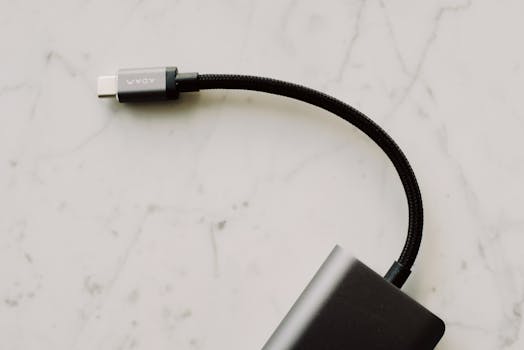
A close-up view of a black USB-C cable with a braided cord resting on a light marble surface. Photo: ready made / Pexels
Choosing the best external hard drive for gaming isn't just about capacity and speed; it's also critically important to understand connectivity options and compatibility with your specific gaming platform. The interface your external drive uses to connect to your PC or console directly dictates its maximum potential speed. The most common interface you'll encounter is USB. However, not all USB ports are created equal. For optimal gaming performance, especially with an external SSD, you'll want to look for drives that support USB 3.2 Gen 2 (often labeled as USB 3.1 Gen 2 or just USB 3.1). This standard offers theoretical transfer speeds of up to 10 Gigabits per second (Gbps), which is more than sufficient to saturate the capabilities of most external SATA SSDs and even some external NVMe SSDs. Older USB 3.0 (now USB 3.2 Gen 1) offers 5 Gbps, which is still decent but will be a bottleneck for faster SSDs. USB 2.0, found on older devices, is far too slow for gaming and should be avoided. For PC users, especially those with high-end motherboards or laptops, Thunderbolt 3 or Thunderbolt 4 ports offer the pinnacle of external connectivity with speeds up to 40 Gbps. If your system has these ports, a Thunderbolt-compatible external NVMe SSD can deliver near-internal drive performance, making it an excellent, albeit pricier, option for the best external hard drive for gaming. Ensure the cable you use also matches the port's capabilities; a USB 2.0 cable in a USB 3.2 Gen 2 port will only perform at USB 2.0 speeds. Always use the provided cable or a high-quality replacement that supports the maximum speed of your drive and port. Explore advanced PC connectivity options. Compatibility with gaming consoles is another crucial aspect. For PlayStation 5, external USB drives can store and play PS4 games. To play PS5 games directly from an external drive, however, you need to use the console's internal NVMe expansion slot with a specific type of M.2 SSD that meets Sony's stringent performance requirements. External USB SSDs can store PS5 games, but to play them, you'll need to transfer them back to the internal storage or the internal NVMe expansion drive. For Xbox Series X/S, external USB 3.0/3.1/3.2 drives (both HDDs and SSDs) can store and play backward-compatible Xbox One, Xbox 360, and original Xbox games. However, for Xbox Series X/S optimized titles, you'll generally need to install them on the internal SSD or the proprietary Seagate/Western Digital Storage Expansion Card, which plugs into a dedicated port on the console and matches the internal NVMe speeds. External USB drives can store Series X/S optimized games, but you'll need to transfer them to internal storage to play them. Understanding these nuances is key to selecting an external drive that genuinely enhances your console gaming experience and avoids frustration. Always check the specific requirements and limitations of your console before purchasing.

Optimizing Your Gaming Experience: Tips for Using External Drives
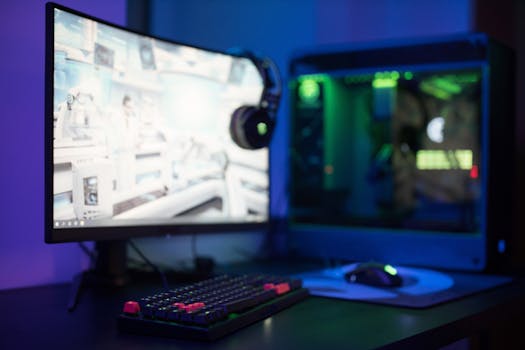
High-tech gaming setup featuring a curved monitor, RGB keyboard, and vibrant lighting. Photo: Ron Lach / Pexels
Choosing the best external hard drive for gaming is just the first step; optimizing its use can further enhance your experience. Here are some key tips to ensure you get the most out of your new storage: * **Prioritize Game Placement:** For PC gamers, install your most frequently played, graphically demanding, or competitive online games on your fastest drive – ideally an internal NVMe SSD, or your external high-speed SSD. Less demanding games, older titles, or those you play infrequently can reside on a slower external HDD if capacity is your main concern. Console gamers should always store current-gen optimized titles on internal storage (or official expansion cards) and use external USB drives for last-gen games or for archiving current-gen titles. * **Maintain Proper Connection:** Always ensure your external drive is connected to the fastest available USB port on your system. For most modern PCs, this means a blue (USB 3.0/3.2 Gen 1), teal (USB 3.1/3.2 Gen 2), or red (often USB 3.2 Gen 2x2) USB-A port, or a USB-C port that supports high-speed data transfer (often marked with a 'SS' or '10'). Avoid using USB hubs unless they are powered and specifically designed for high-bandwidth devices, as they can sometimes introduce latency or reduce throughput. A direct connection is always best. * **Keep Drivers Updated:** For PC users, ensure your USB controller drivers (often part of your motherboard chipset drivers) are up to date. Outdated drivers can sometimes limit transfer speeds or cause connectivity issues, even with the best external hard drive for gaming. Check your motherboard manufacturer's website for the latest drivers. * **Regularly Defragment (HDDs only):** If you're using an external HDD for gaming, occasional defragmentation can help maintain performance. Fragmentation occurs when files are scattered across the disk, making the read head work harder. SSDs do not need defragmentation; in fact, it can reduce their lifespan. Windows has a built-in defragmentation tool, or you can use third-party software. * **Safe Ejection:** Always safely eject your external drive from your PC or console before unplugging it. This prevents data corruption and ensures all write operations are completed. Abruptly disconnecting a drive, especially during a game save or transfer, can lead to lost data or a corrupted drive. * **Physical Protection:** While SSDs are more durable than HDDs, it's still wise to protect your external drive. Use a protective case if you transport it frequently, and keep it away from extreme temperatures, direct sunlight, and sources of electromagnetic interference. A stable, flat surface during operation is also advisable, especially for HDDs. By following these tips, you can maximize the performance, longevity, and convenience of your external gaming drive, allowing you to focus on what truly matters: enjoying your games without interruption.

Comparison

FeatureBest External SSD (e.g., Samsung T7 Shield)Best External HDD (e.g., WD My Passport)Xbox Expansion Card (e.g., Seagate/WD)
SpeedVery High (500-1050 MB/s)Low (80-150 MB/s)Extremely High (>2000 MB/s)
Cost per GBHighLowVery High
DurabilityHigh (shock resistant)Low (fragile)High
PortabilityExcellent (compact)Good (bulky options)Excellent (compact)
Console Compatibility (Current Gen Games)PS5: Store only, Xbox: Store/Play last-genPS5: Store only, Xbox: Store/Play last-genXbox: Play all games directly
PC Gaming PerformanceExcellentFairNot applicable
Noise LevelSilentAudible hum/clicksSilent
Power SourceBus-poweredBus-powered (some models require external)Bus-powered

What Readers Say

"The Samsung T7 Shield is the best external hard drive for gaming I've ever owned. My PS5 load times for PS4 games are lightning fast, and it's incredibly durable. Highly recommend for any serious console gamer."

Alex K. · Seattle, WA

"I was constantly deleting games to make space, but my new WD Black P50 changed everything. My PC games load in a flash, and I can take my whole library to LAN parties. Truly a game-changer for my setup."

Sarah L. · Austin, TX

"After installing my Xbox Series X games on the Seagate Expansion Card, the difference was night and day. No more moving games back and forth. It's pricey, but the seamless experience is worth every penny for optimized titles."

Mark R. · Orlando, FL

"My WD My Passport is fantastic for storing my older Xbox One games and a huge Steam library. While it's not as fast as an SSD, the sheer capacity for the price makes it a solid choice for budget-conscious gamers."

Jessica M. · Denver, CO

"As a content creator who also games, the portability and speed of my SanDisk Extreme Pro Portable SSD are essential. I can quickly transfer massive game files and then jump into a match with minimal load times. Best external hard drive for gaming and work."

Chris P. · New York, NY

Frequently Asked Questions

What is the best type of external hard drive for gaming?

For optimal gaming performance, an external Solid State Drive (SSD) is superior to a Hard Disk Drive (HDD). SSDs offer significantly faster load times, smoother gameplay, and better durability due to their flash memory technology. Look for models with USB 3.2 Gen 2 connectivity for the best speed.

Will an external hard drive slow down my games?

An external SSD will generally not slow down your games, and can often dramatically speed up load times compared to internal HDDs. However, an external HDD will be slower than an internal SSD. Performance also depends on the USB port speed and the specific game's requirements. Ensure you're using a fast USB port (3.0 or higher) for best results.

How do I install games on an external hard drive?

For PC, simply format the drive (NTFS or exFAT) and then specify the external drive's folder as the installation location within your game launcher (Steam, Epic Games, etc.). For consoles, plug in the drive, allow the console to format it, and then set it as the default installation location or move games to it via the system's storage settings.

Are external hard drives for gaming worth the cost?

Yes, for many gamers, external drives are absolutely worth the cost. They provide crucial storage expansion, eliminate the need to constantly delete games, and external SSDs offer significant performance improvements, especially for load times. The investment pays off in convenience and a better gaming experience.

How does an external SSD compare to an internal SSD for gaming?

Internal NVMe SSDs, especially PCIe Gen 4 or 5, will almost always be faster than external SSDs because they connect directly to the motherboard via a high-bandwidth interface. However, a good external NVMe or SATA SSD connected via USB 3.2 Gen 2 or Thunderbolt can still offer excellent performance, far superior to an HDD, and is much easier to install.

Who should buy the best external hard drive for gaming?

Anyone experiencing frequent storage limitations on their PC or console, gamers seeking faster load times for their game library, or those who wish to easily transport their game collection between different systems should invest in the best external hard drive for gaming. It's ideal for both casual and hardcore players.

Is it safe to unplug an external hard drive while my console/PC is on?

No, it is generally not safe to unplug an external hard drive while your console or PC is on, especially if games are running or files are being transferred. Always safely eject the drive through your operating system or console menu before disconnecting it to prevent data corruption or drive damage.

What are the future trends for external gaming storage?

Future trends point towards even faster external SSDs leveraging newer USB and Thunderbolt standards (e.g., USB4, Thunderbolt 5), increased capacities at lower price points, and potentially more integrated, console-specific external solutions that mirror internal drive performance. Cloud gaming might reduce the need for local storage, but high-fidelity local gaming will always benefit from fast external options.

Don't let storage limitations or slow load times hinder your gaming passion. Invest in the best external hard drive for gaming today and unlock a world of expanded libraries, blazing-fast performance, and unparalleled convenience. Upgrade your experience now!

Topics: best external hard drive for gaminggaming SSDexternal storage for PS5external storage for Xboxportable gaming drive
Leo List
Brampton weed
Adultwork EstrelaBet Vai de Bet R7 Bet Betão Galera Bet Rainbet Bet9ja Shop SportyBet BetKing Sisal Loto Foot Hollywoodbets YesPlay Odibets RushBet Jugabet BetWarrior BetCity MSport betPawa Fortebet