Unlocking Your Potential: Benefits of Smartwatches for Fitness
benefits of smartwatches for fitness

Unlocking Your Potential: Benefits of Smartwatches for Fitness

Revolutionize your health and fitness journey with a smartwatch, offering unparalleled insights and motivation.

Explore Smartwatch Power

Key Takeaways

  • ✓ Smartwatches offer comprehensive health metrics including heart rate, sleep, and SpO2.
  • ✓ GPS tracking in smartwatches accurately maps outdoor workouts and distance.
  • ✓ Motivation features like goal setting and challenge modes boost adherence.
  • ✓ Integration with fitness apps and smart gym equipment enhances the workout experience.

How It Works

1
Wear Your Device

Strap your smartwatch snugly to your wrist. Ensure it's comfortable for all-day wear and during workouts to capture accurate data.

2
Track Your Activity

The smartwatch continuously monitors your heart rate, steps, calories burned, and more. It automatically detects many activities, providing real-time feedback.

3
Analyze Your Data

Sync your smartwatch with its companion app on your smartphone. Review detailed statistics, trends, and personalized insights into your health and fitness.

4
Optimize Your Routine

Use the gathered data to set new goals, adjust your workouts, and improve your overall well-being. The insights help you make informed decisions about your fitness journey.

Comprehensive Health Monitoring with Wearable Tech
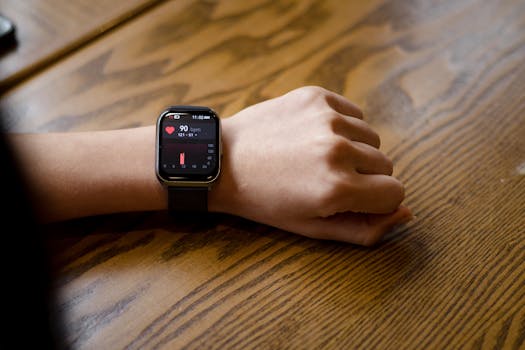
Close-up of a smartwatch displaying a heart rate of 90 bpm on a person's wrist. Photo: ahmed akeri / Pexels
In today's fast-paced world, staying on top of our health is more crucial than ever. Smartwatches have emerged as indispensable tools, transforming how we monitor and manage our physical well-being. Beyond simply telling time, these sophisticated devices offer an array of comprehensive health monitoring features that empower users to take proactive steps towards a healthier lifestyle. One of the most significant benefits of smartwatches for fitness is their ability to provide real-time, continuous tracking of vital health metrics. This includes accurate heart rate monitoring, which can be crucial for optimizing workout intensity, identifying unusual patterns, and even detecting potential cardiovascular issues early. Many modern smartwatches also incorporate SpO2 (blood oxygen) sensors, offering insights into respiratory health and sleep quality, particularly useful for individuals living at higher altitudes or those with sleep-related concerns. Sleep tracking is another cornerstone of smartwatch health monitoring. These devices meticulously analyze sleep stages—light, deep, and REM—alongside disturbances and duration. Understanding your sleep patterns can be a game-changer, helping you identify habits that may be hindering restorative sleep and guiding you towards better rest. The impact of good sleep on overall health, cognitive function, and athletic recovery cannot be overstated, making this feature incredibly valuable. Furthermore, smartwatches often include stress monitoring capabilities, using heart rate variability to assess stress levels throughout the day. By alerting you to periods of elevated stress, they encourage mindfulness and provide prompts for relaxation techniques, contributing significantly to mental well-being, which is intrinsically linked to physical health. Some even offer guided breathing exercises directly on your wrist. Beyond these core metrics, many smartwatches track hydration reminders, menstrual cycle tracking for women, and even ECG capabilities in certain models, allowing for on-demand heart rhythm checks. This level of personal health data, conveniently accessible on your wrist and synchronized with powerful companion apps, provides an unprecedented panoramic view of your body's performance and needs. It moves beyond anecdotal observations, offering data-driven insights that can be shared with healthcare providers, aiding in more informed medical discussions. The integration of these features means that a smartwatch isn't just a gadget; it's a personal health guardian, working tirelessly to keep you informed and empowered. For a deeper dive into how smartwatches are changing our daily lives, check out this article on the evolution of wearable technology.

Optimizing Workouts and Achieving Fitness Goals
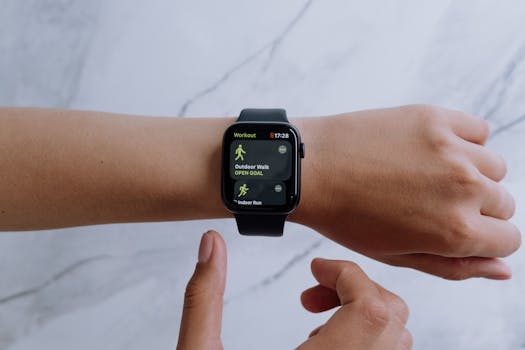
Close-up of a smartwatch on a wrist displaying health and fitness apps with a marble background. Photo: cottonbro studio / Pexels
For anyone serious about their fitness journey, smartwatches are no longer a luxury but a fundamental tool for optimizing workouts and achieving specific goals. The benefits of smartwatches for fitness truly shine in their capacity to elevate your exercise routine from guesswork to precision. Whether you're a seasoned athlete or just starting, these devices offer a suite of features designed to enhance performance, prevent overtraining, and keep you motivated. One of the most impactful features is advanced workout tracking. Smartwatches come equipped with dedicated modes for a vast array of activities, from running and cycling to swimming, yoga, and weightlifting. During a run, for instance, GPS functionality accurately tracks your distance, pace, and route, while heart rate zones ensure you're training at the optimal intensity for fat burning, cardio improvement, or endurance building. Post-workout, detailed summaries provide invaluable data on calories burned, average pace, elevation gain, and recovery time needed. This granular data allows you to analyze your performance, identify areas for improvement, and progressively challenge yourself. Beyond simple tracking, smartwatches act as personal coaches on your wrist. Many offer personalized workout suggestions based on your fitness level, recovery status, and goals. They can guide you through interval training, provide real-time form feedback for certain exercises, and even offer animated demonstrations directly on the screen. The ability to set custom goals—whether it's hitting a certain number of steps, completing a specific distance, or maintaining a target heart rate for a duration—and receive immediate feedback or celebratory alerts upon achievement, significantly boosts motivation and adherence. Furthermore, smartwatches contribute to injury prevention by monitoring metrics like ground contact time, vertical oscillation, and running power for runners, helping to identify inefficiencies or potential risks. For strength training, some models can count reps and sets, and even estimate the muscles worked. The integration with third-party fitness apps, like Strava or MyFitnessPal, further extends their utility, creating a holistic ecosystem for all your fitness data. This seamless connectivity means your nutrition, activity, and recovery insights are often aggregated in one place, providing a truly comprehensive view of your progress. The constant stream of data and personalized guidance transforms generic exercise into a highly individualized and effective training program, pushing you closer to your fitness aspirations with every step and rep.

Motivation, Convenience, and Lifestyle Integration
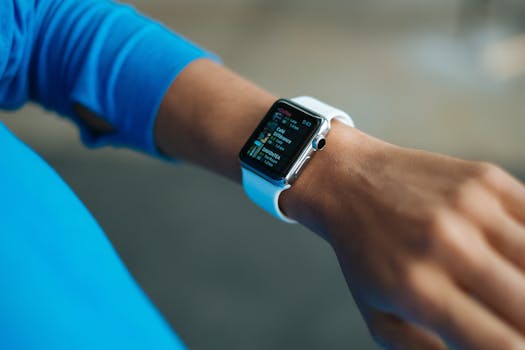
Focus on a smartwatch worn on an adult's wrist, showcasing its digital display. Photo: Pixabay / Pexels
The appeal of smartwatches extends far beyond raw data collection; they are powerful motivators and seamless integrators into a modern, active lifestyle. The psychological benefits of smartwatches for fitness are often underestimated but are crucial for long-term adherence to health goals. Gamification elements, such as daily activity rings, badges for reaching milestones, and friendly competitions with friends, transform mundane exercise into an engaging and rewarding experience. The gentle buzz on your wrist reminding you to stand up or take a walk after a period of inactivity can be surprisingly effective in breaking sedentary habits, promoting consistent movement throughout the day. This constant, subtle nudge keeps fitness at the forefront of your mind, making it an integral part of your daily routine rather than an occasional chore. Convenience is another major draw. Imagine going for a run without needing your phone, yet still being able to track your route via GPS, listen to music through Bluetooth headphones, and even make contactless payments at a store post-workout. Many smartwatches offer onboard music storage or streaming capabilities, freeing you from carrying extra devices. Notification mirroring means you can see incoming calls, texts, and app alerts directly on your wrist, deciding what warrants your immediate attention without constantly pulling out your phone. This reduces distractions during workouts and allows you to stay connected efficiently, striking a better balance between focus and accessibility. Beyond fitness, smartwatches integrate effortlessly into various aspects of your lifestyle. They can control smart home devices, serve as a remote for your smartphone camera, or even help you locate your misplaced phone. For travelers, features like built-in compasses, altimeters, and barometers become invaluable. The ability to customize watch faces and straps allows for personal expression, making the device not just a utility but a fashion statement that transitions smoothly from the gym to a business meeting. This blend of utility, motivation, and style ensures that the smartwatch becomes an indispensable companion, fostering a proactive approach to health and simplifying daily life. The ecosystem of apps available on smartwatches continues to expand, offering everything from meditation guides to language learning tools, further cementing their role as a central hub for personal improvement. For more on how these devices simplify your routine, explore articles on smart home device integration.

Maximizing Your Smartwatch's Fitness Potential: Tips and Common Mistakes

To truly unlock the full benefits of smartwatches for fitness, it's essential to use them effectively and avoid common pitfalls. Here are some tips to help you maximize your device's potential, alongside mistakes to steer clear of: **Tips for Maximizing Your Smartwatch's Fitness Potential:** * **Wear it Consistently:** For accurate trend data on sleep, heart rate, and activity, wear your smartwatch as much as possible, especially during workouts and sleep. * **Calibrate Regularly:** For GPS accuracy and calorie estimates, ensure your smartwatch is calibrated, especially after major software updates or if you notice discrepancies. * **Explore All Features:** Don't just stick to step counting. Dive into heart rate zones, guided workouts, recovery metrics, and stress tracking to get a holistic view. * **Integrate with Apps:** Connect your smartwatch to your favorite fitness, nutrition, and wellness apps. This creates a centralized hub for all your health data. * **Set Realistic Goals:** Use the data to set achievable, incremental goals. Celebrating small victories builds momentum and keeps you motivated. * **Utilize Recovery Metrics:** Pay attention to recovery time suggestions and sleep scores. Overtraining can be as detrimental as undertraining. * **Keep it Charged:** A dead smartwatch tracks nothing. Establish a routine for charging, perhaps while you're showering or working at your desk. **Common Mistakes to Avoid:** * **Ignoring the Data:** Collecting data is useless if you don't review and act upon the insights. Regularly check your trends and adjust your habits. * **Overtraining Based on Metrics:** While smartwatches encourage activity, constantly pushing yourself to hit arbitrary targets without listening to your body can lead to burnout or injury. * **Inaccurate Placement:** Wearing the watch too loosely or too tightly can compromise heart rate and other sensor accuracy. Ensure a snug fit, typically above the wrist bone. * **Neglecting Software Updates:** Manufacturers frequently release updates that improve accuracy, add new features, and fix bugs. Keep your device's software up-to-date. * **Over-Reliance on Calorie Counts:** Calorie burn estimates are approximations. Use them as a guide, but don't treat them as absolute truths for strict dietary planning. * **Ignoring Privacy Settings:** Be mindful of what data you share and with whom, especially when integrating with third-party apps. By following these guidelines, your smartwatch will become an even more powerful ally in your quest for improved fitness and overall well-being. It's a tool designed to empower you, not to replace your own body's signals or professional medical advice.

Comparison

FeatureBest Option (e.g., Apple Watch Ultra 2)Alternative 1 (e.g., Garmin Forerunner 965)Alternative 2 (e.g., Fitbit Sense 2)
Advanced Health MetricsECG, SpO2, Temp, Stress, Sleep StagesHRV Status, SpO2, Sleep Score, Body BatteryECG, SpO2, EDA Scan for Stress, Sleep Profile
GPS AccuracyDual-frequency GPSMulti-band GPSBuilt-in GPS
Battery Life (typical use)Up to 36 hoursUp to 23 days (smartwatch mode)Up to 6+ days
Workout Tracking VarietyComprehensive, 100+ modesExtensive, focused on endurance/multisportGood, activity & sleep focus
Smart FeaturesFull OS, App Store, Calls, PaymentsNotifications, Music, Garmin PayNotifications, Calls (BT), Google Wallet
DurabilityTitanium, Sapphire front crystalCorning Gorilla Glass DX, fiber-reinforced polymerAluminum, Corning Gorilla Glass 3

What Readers Say

"My smartwatch has completely transformed my running routine. The GPS tracking is incredibly accurate, and seeing my heart rate zones in real-time has helped me train smarter, not just harder. I've hit new personal bests thanks to the data!"

Sarah J. · Austin, TX

"I used to struggle with consistent sleep, but my smartwatch's sleep tracking has been a revelation. Understanding my sleep cycles and getting reminders to wind down has significantly improved my rest and overall energy levels."

Mark D. · Seattle, WA

"After integrating my smartwatch into my daily routine, I lost 15 pounds in three months! The activity reminders and calorie burn estimates kept me accountable, and the fitness challenges with friends were a huge motivator."

Emily R. · Miami, FL

"While the health monitoring is fantastic, I wish the battery life was a bit longer, especially when using GPS extensively. However, the insights into my stress levels and workout performance make it an invaluable tool for my outdoor adventures."

David P. · Denver, CO

"As a busy professional, the convenience of managing notifications and payments from my wrist while staying on top of my fitness goals is unmatched. It's a seamless blend of technology and wellness that fits perfectly into my hectic schedule."

Jessica L. · Chicago, IL

Frequently Asked Questions

What are the primary benefits of smartwatches for fitness?

Smartwatches offer comprehensive benefits for fitness, including advanced health tracking (heart rate, sleep, SpO2, stress), precise workout monitoring (GPS, activity-specific metrics), motivational features (goal setting, challenges), and seamless lifestyle integration (notifications, payments, music). They provide data-driven insights to optimize training and promote overall well-being.

Are smartwatch fitness trackers accurate enough for serious athletes?

Yes, many high-end smartwatches are highly accurate and suitable for serious athletes. They feature advanced GPS, multi-sport tracking, heart rate variability (HRV) analysis, and recovery metrics, providing detailed data comparable to dedicated sports watches. However, professional-grade equipment might offer marginal additional precision for very specific metrics.

How do I ensure my smartwatch is accurately tracking my fitness data?

To ensure accurate tracking, wear your smartwatch snugly on your wrist, typically above the wrist bone. Keep the sensors clean, and regularly calibrate GPS if prompted by the device. Ensure your personal profile (age, weight, height) is up-to-date in the companion app, as this impacts calorie and distance calculations.

How much do smartwatches with good fitness features typically cost?

The cost of smartwatches with good fitness features varies widely. Basic models with core tracking can start from $100-$200, while mid-range devices with more advanced health sensors and GPS often fall into the $200-$400 range. Premium smartwatches with advanced health capabilities, robust build quality, and extensive smart features can range from $400 to $800+.

How do smartwatches compare to dedicated fitness trackers?

Smartwatches offer a broader range of functionalities than dedicated fitness trackers. While both track activity and health metrics, smartwatches typically include full operating systems, app stores, communication features (calls, texts), and larger, more interactive displays. Fitness trackers are generally simpler, more focused on core activity tracking, often with longer battery life and a lower price point.

Who can benefit most from using a smartwatch for fitness?

Anyone looking to improve their health and fitness can benefit. This includes beginners needing motivation and guidance, intermediate users wanting to optimize workouts and track progress, and serious athletes seeking advanced performance metrics and recovery insights. Individuals concerned about general health monitoring (heart rate, sleep, stress) also find them invaluable.

Can smartwatches help prevent injuries during exercise?

Yes, smartwatches can indirectly help prevent injuries. By monitoring heart rate zones, they prevent overexertion. Some advanced models track running dynamics (like ground contact time) to identify form issues. Consistent tracking of recovery metrics and sleep also helps users avoid overtraining, a common cause of injury. However, they are not a substitute for proper training techniques or professional advice.

What future trends can we expect for smartwatches in fitness?

Future trends for smartwatches in fitness include enhanced AI-driven personalized coaching, non-invasive glucose monitoring, more sophisticated environmental sensors (e.g., hydration, air quality), improved battery life, and even greater integration with augmented reality and virtual reality for immersive workout experiences. Expect more predictive health analytics and seamless integration with broader digital health ecosystems.

Embrace the future of personal well-being. By harnessing the incredible benefits of smartwatches for fitness, you gain an unparalleled partner in achieving your health goals, staying motivated, and living a more informed, active life. Discover the device that will empower your journey today.

Topics: benefits of smartwatches for fitnessfitness tracking smartwatcheswearable tech healthsmartwatch workout featurespersonal fitness tracker
Leo List
Brampton weed
Adultwork