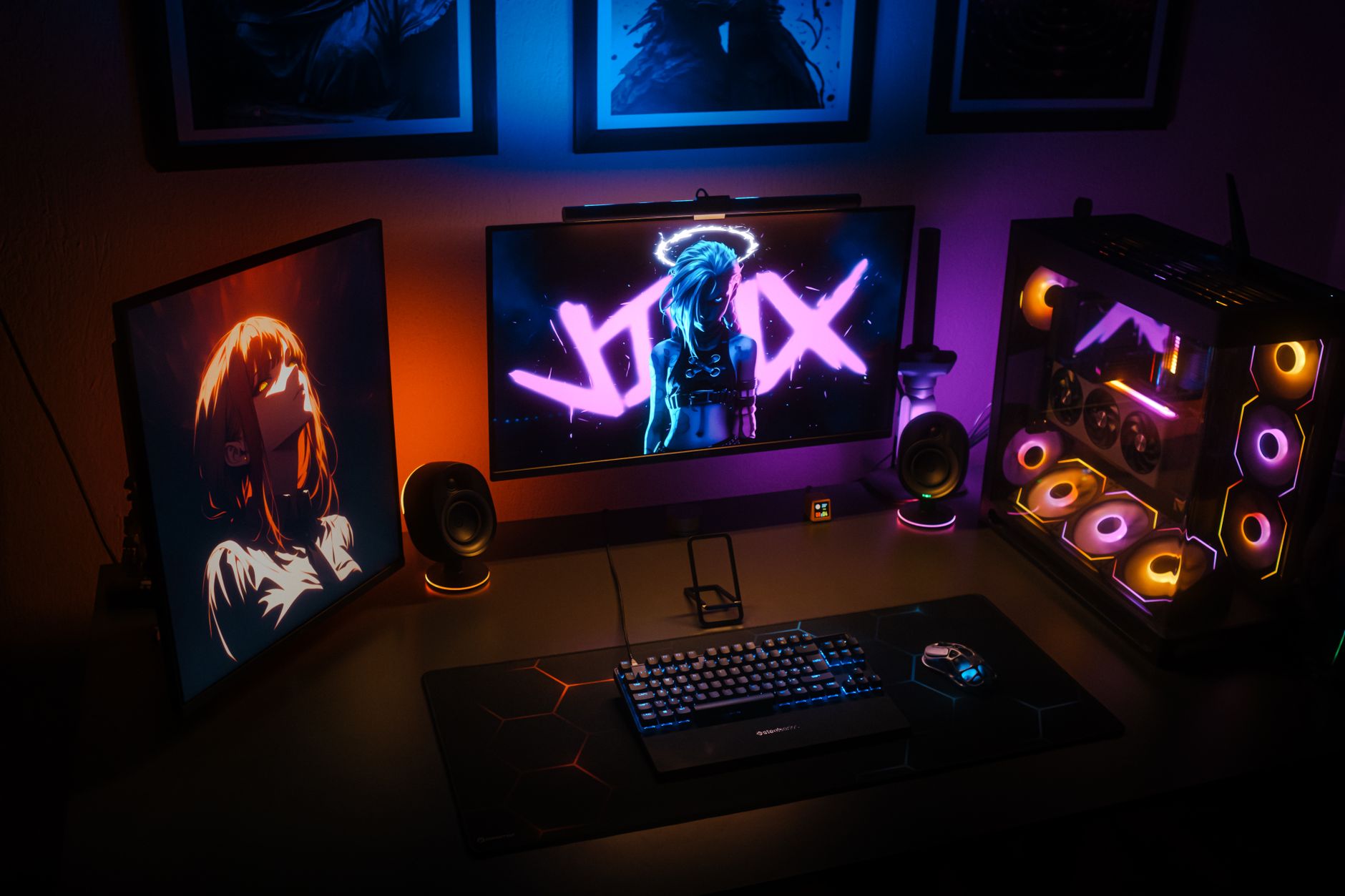
Unleash Your Game: Affordable 4K Monitors for Gaming
affordable 4K monitors for gaming

Unleash Your Game: Affordable 4K Monitors for Gaming

Experience breathtaking visuals and immersive gameplay without compromising your budget. Your ultimate 4K gaming setup starts here.

Find Your Perfect Monitor

Key Takeaways

  • ✓ 4K resolution (3840x2160) offers four times the pixels of 1080p for incredible detail.
  • ✓ Affordable 4K monitors for gaming often balance resolution with refresh rate and panel type.
  • ✓ Key specs to consider include refresh rate (Hz), response time (ms), and panel technology (IPS, VA, TN).
  • ✓ While 4K demands more GPU power, many modern mid-range GPUs can handle it at playable frame rates.
  • ✓ HDR support significantly enhances visual depth and color vibrancy in compatible games.

How It Works

1
Identify Your Gaming Needs

Determine the types of games you play most frequently (fast-paced FPS vs. visually rich RPGs). This will guide your priorities between refresh rate, response time, and color accuracy.

2
Match Monitor to GPU

Ensure your current or planned graphics card can comfortably drive 4K resolution at desired frame rates. A powerful GPU is crucial for a smooth 4K gaming experience.

3
Prioritize Key Features

Decide which features are non-negotiable within your budget. Focus on aspects like panel type for viewing angles, refresh rate for fluidity, and response time for ghosting.

4
Read Reviews and Compare

Consult expert and user reviews for real-world performance insights and potential drawbacks. Compare specifications across several models to find the best value.

The Allure of 4K Gaming: Why Resolution Matters
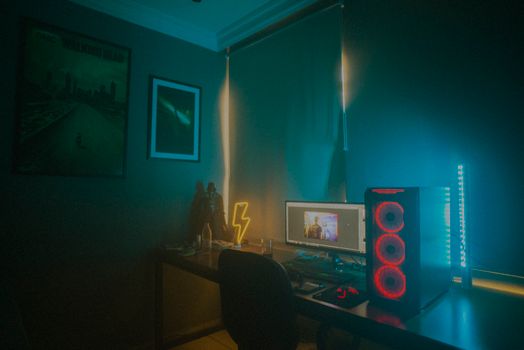
A dimly lit minimalist gaming setup featuring a desktop PC and neon lights. Photo: Isabella Mendes / Pexels
In the world of PC gaming, visual fidelity is often king, and nothing screams 'premium' quite like 4K resolution. For years, 4K gaming monitors were a luxury reserved for those with deep pockets and top-tier graphics cards. However, with advancements in manufacturing and increased competition, the dream of experiencing games in stunning 3840x2160 pixels has become more accessible than ever. The term 'affordable 4K monitors for gaming' is no longer an oxymoron; it's a rapidly expanding category offering incredible value. But why does 4K matter so much, and what exactly does it bring to your gaming experience? First and foremost, 4K resolution provides an unparalleled level of detail and sharpness. Imagine exploring the vast landscapes of an open-world RPG, where every blade of grass, every distant tree, and every intricate texture is rendered with breathtaking clarity. Compared to 1080p (Full HD), 4K boasts four times the pixel count, leading to a significantly crisper image with virtually no visible pixel structure at typical viewing distances. This enhanced detail not only makes games look more realistic and immersive but can also provide a competitive edge in certain titles by making distant enemies or small objects easier to spot. For strategy games or titles with busy UIs, the extra screen real estate allows for more information to be displayed without clutter, improving overall usability. Beyond raw pixel count, many affordable 4K monitors for gaming now incorporate advanced panel technologies and features that further enhance the visual experience. High Dynamic Range (HDR) support, once a premium feature, is increasingly common. HDR expands the range of colors and contrast, making bright areas brighter and dark areas deeper, resulting in a more lifelike and impactful image. While true, high-end HDR performance still carries a premium, even basic HDR support can make a noticeable difference in compatible games. When considering an upgrade, think about how a monitor's specifications directly impact your gameplay. For example, a higher refresh rate monitor can dramatically improve the smoothness of fast-paced action. You can learn more about finding the right display for your needs by exploring our guide on choosing the best gaming monitor. This combination of high resolution, improved color, and contrast creates a truly cinematic gaming experience that can transform your favorite titles. Another often-overlooked benefit of 4K is its utility beyond gaming. For those who also use their PC for productivity, video editing, or graphic design, the increased screen real estate and sharpness are invaluable. You can comfortably have multiple windows open side-by-side, view high-resolution images without constant zooming, or edit video timelines with greater precision. This versatility makes an affordable 4K monitor a smart investment that serves multiple purposes, extending its value beyond just your gaming sessions. The market for these displays has matured, offering a diverse range of options that cater to different budgets and preferences, proving that high-end visuals are no longer out of reach for the average gamer.

Key Specifications to Look for in Budget 4K Gaming Monitors

Dual monitors with blue lighting on a gaming desk setup. Photo: XXSS IS BACK / Pexels
Navigating the world of monitors can be daunting, especially when trying to find the sweet spot between performance and price for affordable 4K monitors for gaming. While the 4K resolution itself is a given, several other specifications play a crucial role in determining the quality of your gaming experience. Understanding these will help you make an informed decision and ensure you get the most bang for your buck. First up is the refresh rate, measured in Hertz (Hz). This indicates how many times per second the monitor can update the image on the screen. For competitive gaming, a higher refresh rate is paramount for smooth, fluid motion. While high-end gaming monitors boast 144Hz, 240Hz, or even higher, many affordable 4K monitors will typically offer a 60Hz refresh rate. This is perfectly adequate for single-player, story-driven games, and many casual multiplayer titles. However, if you play fast-paced shooters or racing games, you might want to look for models that offer 75Hz or even 120Hz at 4K, which are becoming more common in the budget segment. Keep in mind that pushing 4K at high refresh rates requires a very powerful graphics card, so temper your expectations based on your PC's capabilities. Next, consider response time, measured in milliseconds (ms). This refers to how quickly a pixel can change from one color to another. A lower response time (e.g., 1ms or 5ms) helps reduce motion blur and ghosting, which can be particularly noticeable in fast-moving scenes. For serious gamers, a 1ms or 2ms response time is ideal, especially for TN panels. However, many IPS and VA panels, which offer superior color and viewing angles, have response times in the 4ms to 5ms range, which is still excellent for most gamers and a good compromise for the visual benefits they provide. You'll want to find a monitor that balances response time with panel type, as each has its strengths and weaknesses. Panel technology is another critical factor. The three main types are TN (Twisted Nematic), IPS (In-Plane Switching), and VA (Vertical Alignment). TN panels are known for their fast response times and high refresh rates but suffer from poor color reproduction and narrow viewing angles. IPS panels offer excellent color accuracy and wide viewing angles, making them great for immersive gaming and content creation, though they historically had slower response times (this has improved significantly). VA panels provide superior contrast ratios, leading to deeper blacks and richer colors, but can sometimes exhibit 'black smearing' in dark scenes. For affordable 4K gaming, IPS panels often strike the best balance between visual quality and gaming performance, making them a popular choice. Finally, look for adaptive sync technologies like FreeSync (AMD) or G-Sync Compatible (NVIDIA). These features synchronize the monitor's refresh rate with your GPU's frame rate, eliminating screen tearing and stuttering for a much smoother gaming experience, especially when frame rates fluctuate. Many budget 4K monitors now include FreeSync, which is a fantastic value addition.

Optimizing Your Setup for Affordable 4K Gaming Performance
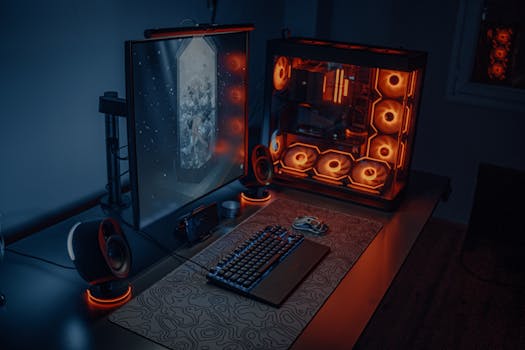
Sleek gaming desk setup featuring RGB lighting, large monitor, and gaming PC with glowing fans. Photo: Atahan Demir / Pexels
Acquiring one of the best affordable 4K monitors for gaming is a significant step, but it's only one piece of the puzzle. To truly unlock the potential of your new display and enjoy a smooth, high-resolution gaming experience, you'll need to ensure the rest of your PC setup is up to the task. 4K gaming is demanding, requiring more processing power from your graphics card than lower resolutions. Understanding how to optimize your system will prevent bottlenecks and ensure you get the best possible frame rates and visual fidelity without spending a fortune on an entirely new rig. Your graphics card (GPU) is the single most critical component for 4K gaming. While you don't necessarily need the absolute top-tier GPU on the market, a mid-to-high-range card from the current or previous generation is highly recommended. For example, an NVIDIA RTX 3060 Ti or 4060 Ti, or an AMD Radeon RX 6700 XT or 7700 XT, can handle many games at 4K resolution with acceptable frame rates, especially if you're willing to adjust some in-game settings. Newer technologies like NVIDIA's DLSS (Deep Learning Super Sampling) and AMD's FSR (FidelityFX Super Resolution) are game-changers for 4K. These upscaling technologies render games at a lower resolution and then intelligently upscale them to 4K, providing a significant performance boost with minimal perceived loss in image quality. Activating these features in compatible games can turn a borderline 4K experience into a silky-smooth one, allowing more affordable GPUs to shine. For more detailed information on GPU performance, consider reading our insights on understanding graphics card benchmarks. Beyond the GPU, your CPU, RAM, and storage also play supporting roles. While the CPU isn't as critical for raw 4K resolution as it is for high refresh rates at lower resolutions, a modern multi-core processor (e.g., Intel Core i5/i7 or AMD Ryzen 5/7 from recent generations) will prevent bottlenecks and ensure smooth overall system performance. Aim for at least 16GB of RAM, as some modern games can be quite memory-intensive, especially at higher resolutions. Lastly, consider an SSD (Solid State Drive) for your operating system and frequently played games. While it won't directly impact in-game frame rates, an SSD drastically reduces loading times, getting you into the action faster and improving the overall responsiveness of your system. A large NVMe SSD is ideal for housing several large 4K game installations. Optimizing in-game settings is another crucial aspect. Not all games are created equal, and some are far more demanding than others. Don't be afraid to experiment with settings like anti-aliasing, shadow quality, volumetric effects, and tessellation. Often, reducing one or two very demanding settings from 'Ultra' to 'High' can yield a significant frame rate increase with a barely noticeable visual difference. Many games offer built-in benchmarks that can help you fine-tune your settings for the best balance of performance and visual quality. Remember, the goal is to enjoy your games at 4K, and sometimes that means making minor compromises on specific graphical flourishes to maintain a smooth and enjoyable frame rate. Regularly updating your graphics drivers is also paramount, as new driver releases often include performance optimizations for the latest games.

Common Pitfalls and Smart Buying Tips for Budget 4K Monitors

Professional analyzing stock market graphs on multiple monitors at work desk. Photo: AlphaTradeZone / Pexels
While the market for affordable 4K monitors for gaming is rich with options, it's also easy to fall into common traps that can lead to buyer's remorse. Being aware of these pitfalls and adopting smart buying strategies will ensure your investment pays off and delivers the gaming experience you expect. One significant pitfall is fixating solely on the '4K' label without considering other crucial specifications. A 4K monitor with a 60Hz refresh rate and a slow response time might look great for static images but could disappoint in fast-paced games due to motion blur and lack of fluidity. Always balance resolution with refresh rate, response time, and panel type based on your primary gaming genres. Another common mistake is underestimating the GPU power required for 4K gaming. As discussed, your graphics card is paramount. If your current GPU struggles with 1080p at high settings, it will certainly buckle under the demands of 4K. Ensure your PC can handle the resolution before investing in the monitor itself, or factor in a GPU upgrade into your budget. Beware of monitors that claim 'HDR' support without specifying the VESA DisplayHDR certification level (e.g., DisplayHDR 400, 600, 1000). While any HDR support is better than none, entry-level HDR400 often provides only a minimal improvement over SDR, lacking the true contrast and peak brightness of higher-tier HDR monitors. For a noticeable HDR experience, aim for DisplayHDR 600 or higher, though these typically push past the 'affordable' bracket. Always check reviews for real-world HDR performance. Similarly, some monitors might list impressive peak brightness figures but fail to mention sustained brightness or local dimming zones, which are crucial for effective HDR. Smart buying tips include diligent research and patience. Don't jump on the first deal you see. Monitor prices fluctuate, especially around sales events like Black Friday, Cyber Monday, or Prime Day. Utilize price tracking websites to monitor models you're interested in. Read multiple reviews from reputable tech sites and user feedback platforms. Pay attention to comments regarding build quality, backlight bleed, dead pixels, and customer support. Look for monitors that offer FreeSync or G-Sync Compatible support, as these adaptive sync technologies are invaluable for smooth gameplay and are often included without a significant price premium. Finally, consider the warranty and return policy of the retailer. A good warranty provides peace of mind, especially when purchasing electronics. Sometimes, a slightly older model from a reputable brand, when on sale, can offer better value and reliability than a brand-new, unproven budget option.

Comparison

FeatureBest Overall ValueHigh Refresh Rate PickBest IPS Budget Pick
Resolution3840x2160 (4K)3840x2160 (4K)3840x2160 (4K)
Refresh Rate60-75Hz120-144Hz60-75Hz
Response Time4-5ms1-2ms4-5ms
Panel TypeVATN or Fast IPSIPS
Adaptive SyncFreeSyncFreeSync/G-Sync Comp.FreeSync
HDR SupportHDR400 (Basic)HDR400-600HDR400 (Basic)
Screen Size27-32 inches27-32 inches27-28 inches

What Readers Say

"I upgraded to an affordable 4K monitor for gaming last month, and the difference is night and day. My games look so much sharper, and I didn't have to spend a fortune. Highly recommend checking these out if you're on a budget but want stunning visuals."

Alex P. · Seattle, WA

"I was skeptical about finding a good 4K monitor for under $400, but I found one with FreeSync that works perfectly with my AMD card. The colors are vibrant, and the clarity is incredible. My open-world games have never looked better."

Maria G. · Austin, TX

"This article helped me pick an affordable 4K monitor for gaming that perfectly matches my RTX 3070. With DLSS, I'm getting smooth frame rates at 4K, and the visual upgrade from 1440p is truly impressive. It's transformed my entire setup."

Ben T. · Miami, FL

"My budget 4K monitor is fantastic for most games, though I do notice the 60Hz refresh rate in very fast shooters. For RPGs and strategy games, it's a dream. A solid choice if you prioritize resolution and don't play competitive FPS constantly."

Jessica L. · Denver, CO

"As a graphic designer who also loves gaming, getting an affordable 4K monitor was a no-brainer. The extra screen space for work and the stunning visuals for gaming make it an excellent dual-purpose investment. My productivity and leisure have both benefited immensely."

Chris K. · Chicago, IL

Frequently Asked Questions

What's the minimum GPU I need for affordable 4K monitors for gaming?

For an enjoyable 4K gaming experience, aim for at least an NVIDIA RTX 3060 Ti/4060 Ti or an AMD Radeon RX 6700 XT/7700 XT. These cards, especially when paired with upscaling technologies like DLSS or FSR, can deliver playable frame rates at 4K in many modern titles.

Will a 60Hz 4K monitor be good enough for gaming?

Yes, a 60Hz 4K monitor is perfectly good for many types of games, especially single-player adventures, RPGs, and strategy games where visual fidelity is prioritized over ultra-high frame rates. For competitive esports, you might prefer a higher refresh rate, but 60Hz is a solid entry point for 4K.

How do I connect my PC to an affordable 4K monitor?

You'll primarily use DisplayPort 1.4 or HDMI 2.0/2.1 cables. DisplayPort 1.4 is generally preferred for its bandwidth, supporting 4K at higher refresh rates with HDR. Ensure both your graphics card and monitor support the necessary port versions for optimal performance.

Are affordable 4K monitors for gaming worth it over 1440p high refresh rate monitors?

It depends on your priorities. If you prioritize raw visual detail, immersion, and screen real estate for productivity, 4K is superior. If competitive gaming and ultra-smooth motion in fast-paced games are your main focus, a 1440p high refresh rate (144Hz+) monitor might be a better choice for a similar budget.

Do I need HDR for 4K gaming?

While not strictly necessary, HDR (High Dynamic Range) can significantly enhance the visual experience by providing a wider range of colors and contrast. Even basic HDR400 support can make a noticeable difference, making games look more vibrant and realistic. It's a great bonus if your budget allows.

Who benefits most from affordable 4K monitors for gaming?

Gamers who prioritize stunning visual fidelity, immersion in single-player or graphically rich games, and those who also use their PC for productivity tasks like content creation or extensive multitasking will benefit most from affordable 4K monitors. It's ideal for a balanced setup.

Can affordable 4K monitors cause eye strain?

Not necessarily more than any other monitor. The higher pixel density of 4K can actually make text and images look smoother, potentially reducing strain. However, ensure proper viewing distance, adjust brightness, and take regular breaks to prevent eye fatigue regardless of resolution.

What's the future trend for affordable 4K gaming monitors?

Expect to see higher refresh rates (120Hz+) becoming standard even in budget 4K options, improved HDR performance with higher VESA certifications, and more widespread adoption of OLED/Mini-LED technologies as costs decrease. Adaptive sync technologies will also become universal across the board.

The world of stunning 4K gaming is more accessible than ever before. With careful consideration of your needs and smart shopping, you can find an affordable 4K monitor for gaming that delivers breathtaking visuals without breaking the bank. Elevate your gameplay and immerse yourself in your favorite virtual worlds today.

Topics: affordable 4K monitors for gamingbudget 4K gaming displaybest cheap 4K monitor4K gaming monitor deals
Leo List

IE Escorts NO Escorts US Escorts NZ Escorts AU Escorts
Brampton weed
Adultwork EstrelaBet Vai de Bet R7 Bet Betão Galera Bet Rainbet Bet9ja Shop SportyBet BetKing Sisal Loto Foot Hollywoodbets YesPlay Odibets RushBet Jugabet BetWarrior BetCity MSport betPawa Fortebet